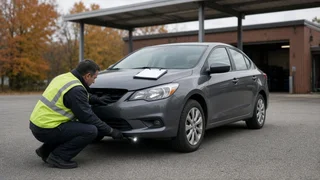
Massachusetts Lyft TNC Inspection: Requirements and the Inspection Form Explained
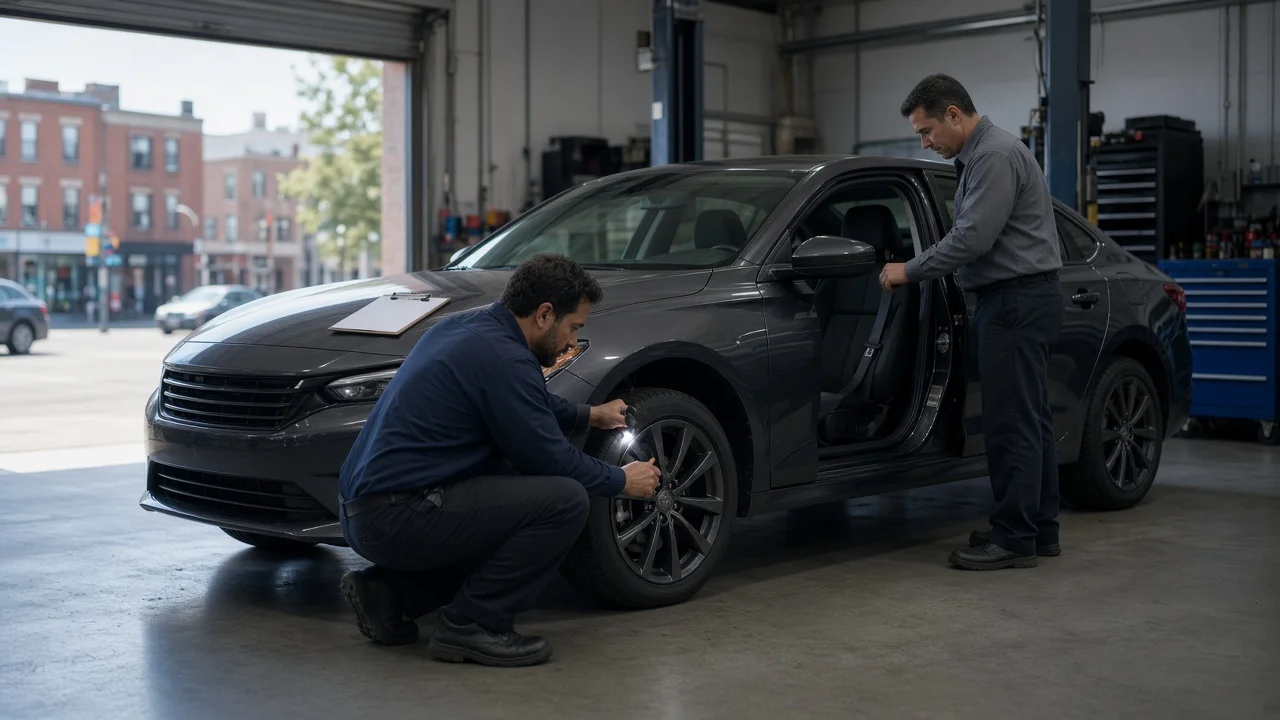
The short answer
To drive for Lyft in Massachusetts, your vehicle has to pass a vehicle inspection tied to transportation network company (TNC) rules, and the result is recorded on an inspection form that you submit to Lyft. A TNC is an app-based ride-hail service such as Lyft or Uber. In Massachusetts, TNCs are overseen at the state level by the Transportation Network Company Division of the Department of Public Utilities. The TNC inspection is a separate requirement layered on top of the general rules every Massachusetts vehicle must already meet.
One qualification matters more than any other: the exact checklist, the approved inspection locations, the cost and how often the inspection must be repeated are set by Lyft and the state regulator. They can change. No confirmed current figures for these details were available for this guide, so treat the Lyft driver app and the regulator's published guidance as the final word.
What the TNC inspection is and how it differs from the state inspection
Massachusetts already requires registered vehicles to pass a periodic state safety and emissions inspection, which is shown by the sticker on the windshield. The TNC inspection is a different requirement with a different purpose. It confirms that a vehicle meets the standards for carrying paying passengers on a ride-hail platform, and its result is documented for Lyft and the TNC oversight framework rather than only for registration.
In practice, a driver should expect to keep both up to date. A valid state inspection sticker does not by itself show that the TNC inspection has been completed, and a TNC inspection form does not replace the state sticker. Whether one inspection visit can satisfy both depends on the facility and on current rules, so confirm this when you book rather than assuming it.
What the inspection form is
The inspection form records the vehicle's details, the items that were checked and whether each one passed. It also carries the inspector's sign-off. Lyft normally makes the current version of the form, or the instructions for getting it, available through the driver app or driver dashboard during sign-up and when a renewal is due. Use the version Lyft provides. An outdated or third-party copy may not be accepted.
What is typically checked
The exact list for Massachusetts was not confirmed for this guide. Rideshare vehicle inspections generally focus on safety-critical and passenger-facing items such as these:
Brakes, including the parking brake; Tires and tread condition; Headlights, taillights, brake lights and turn signals; Horn; Windshield, wipers and mirrors; Seat belts in all passenger positions; Doors and windows operating correctly from inside and outside; Steering and suspension condition; General body condition and interior cleanliness
Treat this as a general guide to preparing the car, not as the official Massachusetts checklist. The form Lyft supplies will show exactly which items the inspector must verify.
Practical next steps
Open the Lyft driver app or dashboard and find the vehicle inspection requirement for Massachusetts. Get the current inspection form, or the instructions for completing the inspection, from Lyft. Check which inspection locations Lyft accepts, such as a Lyft-designated site or a qualifying mechanic, and confirm any fee before your visit. Make sure your Massachusetts state inspection sticker, registration and insurance are current, since these are separate requirements. Fix obvious issues before the appointment, such as burned-out bulbs, worn wiper blades or low tire tread. Upload or submit the completed and signed form as Lyft instructs, and note when it will need renewing.
Information gaps to confirm
This guide could not verify several current Massachusetts-specific details: the official number of inspection items, the inspection fee, how often renewal is required, the list of approved inspection sites, and any vehicle age or model-year limits. These details determine whether your particular vehicle qualifies and what the process will cost you. Confirm them directly with Lyft or the state's TNC regulator before you schedule an inspection.