Massachusetts TNC Vehicle Inspection Requirements
The Short Answer
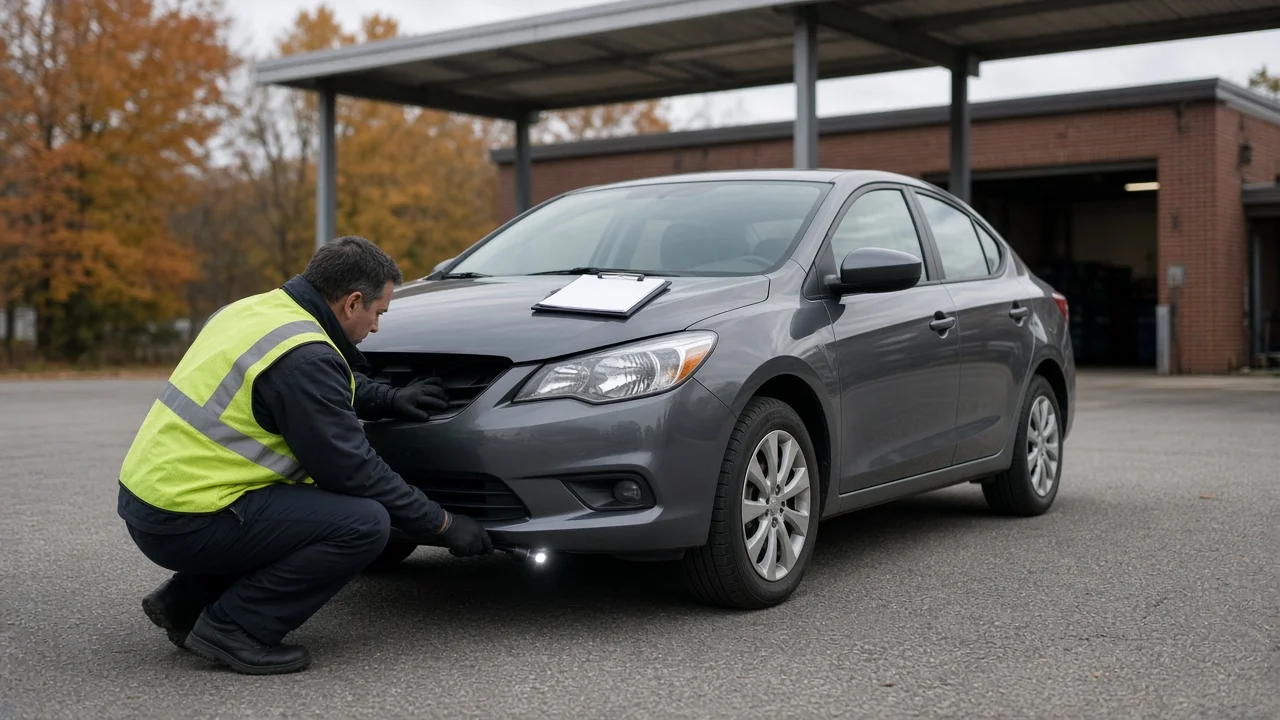
If you drive passengers for a ride-hailing app in Massachusetts, your vehicle must meet roadworthiness requirements that go beyond simply being registered. A TNC (transportation network company) is a business, such as a rideshare platform, that connects passengers with private drivers through an app. A TNC vehicle inspection is a safety check that confirms a car used for that work is fit to carry paying passengers.
The key qualification is that the requirements come from two places: state rules for TNC vehicles and the policies of the individual platform. Your obligations depend on which company you drive for and on the current state rules, so the specific checklist, frequency and accepted inspection locations should be confirmed directly with the platform and the state regulator before you rely on them.
Scope: Who and What This Covers
This topic applies to privately owned or leased vehicles used to provide prearranged rides through a TNC app in Massachusetts. It does not cover taxis, livery or limousine services, commercial fleet vehicles, or vehicles used only for personal driving. Those categories are regulated differently and may have their own licensing and inspection processes.
In Massachusetts, oversight of TNCs has been handled at the state level, with the Department of Public Utilities administering the TNC program. Confirm the current responsible office, because administrative arrangements can change.
How It Differs From a Standard State Inspection
Every registered vehicle in Massachusetts is subject to the state's periodic safety and emissions inspection program, regardless of how it is used. A TNC inspection is not a replacement for that baseline requirement. It is an additional layer tied to commercial passenger use.
Purpose: the standard inspection checks general road safety and emissions compliance for any registered vehicle, while a TNC inspection focuses on whether the car is suitable for carrying paying passengers. Who requires it: the standard inspection is a condition of keeping a vehicle legally on the road, while TNC inspection requirements are tied to driver eligibility on a platform and to state TNC rules. Consequence of not passing: failing the standard inspection affects the vehicle's legal road status, while failing or skipping a TNC inspection can prevent you from being approved, or staying active, as a driver. Vehicle eligibility: TNC participation can involve criteria such as vehicle age, number of doors or seating, and condition. These vary by platform and service tier and are separate from the standard inspection.
What This Overview Cannot Confirm
No verified source material was available for this article, so it does not state specific figures or procedural details. The following points are gaps you should resolve with the platform or the state regulator:
The exact items checked during a TNC inspection and whether a standardized checklist applies across all platforms. How often a TNC inspection must be repeated. Which facilities are authorized to perform it, such as licensed state inspection stations or platform-run locations. Any fees, and who pays them. Current vehicle age limits or other eligibility thresholds for each platform and service tier. Whether recent regulatory changes have altered any of the above.
Practical Next Step
Start with the driver requirements section of the app you plan to drive for, since it usually lists the inspection form, the accepted locations and the vehicle criteria that apply to you. Then check that your vehicle's standard Massachusetts inspection is current. For the regulatory side, consult the state agency responsible for TNC oversight so you are working from the current rules rather than older guidance.