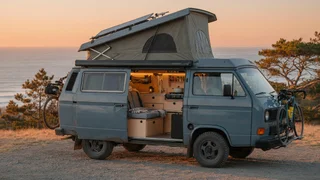
Colorado Camper Van pop-top conversion
Choosing a Colorado camper van pop-top conversion means balancing the base vehicle’s body configuration, wheelbase, seating layout, cargo access, and powertrain options with the demands of high-country travel. A pop-top adds standing room and sleeping space without the constant wind drag and height clearance limits of a fixed high roof. The search is navigational because buyers usually want to locate builders, inventory, or local specialists more than they want a generic definition. Understanding how each van configuration affects the conversion helps narrow the choices to something usable in mountain towns, trailheads, and narrow forest roads.
Relevant entries
A useful selection for this search starts with the van itself rather than a brand name. The relevant entries are the commonly converted long-wheelbase and standard-wheelbase cargo vans sold in the US market, because their interior length and roof opening determine how a pop-top can be mounted. Longer wheelbases allow a rear bed platform and a forward galley or seat, while shorter bodies remain easier to park and turn around on unpaved Colorado switchbacks. The inclusion boundary is practical: a vehicle qualifies when its roof structure, market specification, and cargo volume can support an aftermarket cutout and reinforced lifting lid without unusual structural work.
The next relevant group is the pop-top hardware itself. This includes a canvas or fabric tent section, a hinged or gas-strut-assisted roof panel, and the surrounding aluminum or composite frame that restores stiffness after the roof skin is opened. Buyers also evaluate latch points, insect screening, and whether the sleeping platform folds with the bed or stays fixed above the cab. Because Colorado nights can be cold even in summer, the fabric material and window closures matter more than appearance. Together these entries define the conversion: a compatible van, a structurally sound roof system, and an interior layout that uses the gained headroom without blocking cargo access.
Finally, local service and inspection should be considered part of the selection. A Colorado shop familiar with high-altitude propane systems, lithium battery behavior, and snow-load sealing can advise on details that a generic outfitter may miss. The ordering principle is not a ranking by measured score, but a practical hierarchy: confirm the van platform, confirm the roof conversion type, and confirm who can service the result nearby. That keeps the list useful without pretending to be an exhaustive inventory of every builder or model in the region.