Camper Van Roof Conversion: Pop-Top and High-Top
Choosing between a pop-top and a high-top for a camper van changes how the vehicle drives, parks, and shelters you. A van camper top conversion raises standing room, sleeping space, or both, but the right design depends on body style, model generation, and how the owner uses the van. For a VW camper van roof conversion, the original roof structure and powertrain configuration influence headroom, weight, and everyday clearance. Understanding those trade-offs helps narrow the options without assuming one style fits every trip.
Relevant entries
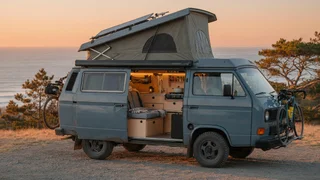
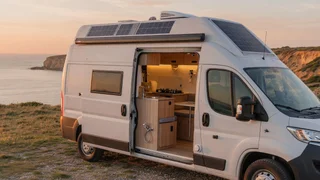
The most relevant entries are the fixed high-top and the elevating pop-top. A high-top replaces the original steel roof with a taller molded shell, giving permanent standing room and often space for cabinets or a fixed upper bunk. That approach suits a van that usually stays on paved roads or in open campsites, because the added height remains constant while driving. It also simplifies insulation and wiring, since walls and ceiling panels are installed once in a stationary structure rather than around a moving canvas section.
A pop-top keeps the factory roof line when lowered and raises a hinged or scissor-lifted section when parked. This preserves low clearance for parking garages and reduces aerodynamic drag compared with a permanent tall roof. The trade-off is that standing room exists only when the top is raised, and the flexible fabric sides provide less thermal and sound insulation. Either conversion must match the specific body style and market specification, because roof rails, gutter designs, and aftermarket support vary by model year and trim level.