Cold Weather and TPMS Sensors: Malfunction, Blinking Light and Sensor Faults

A sudden temperature drop often triggers an unexpected tire pressure warning, and many drivers wonder whether the cold has actually damaged a sensor or if the system is simply reacting to physics. Cold weather affects tire pressure sensors in predictable ways, but a blinking light or persistent fault can point to several different conditions. Understanding the interaction between falling ambient temperature, tire inflation pressure, and sensor electronics helps separate a normal seasonal alert from a genuine tire pressure monitoring system malfunction that needs attention.
Direct answer
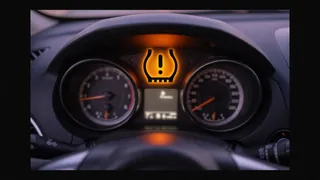
Yes, cold weather can affect tire pressure sensors, but the effect is usually indirect. The sensor measures the air pressure inside the tire, and colder temperatures cause that air to contract, lowering the inflation pressure. When the pressure falls below the vehicle's programmed threshold, the warning light illuminates. The sensor itself may still be working correctly; it is simply reporting a real drop in tire pressure. This is the most common reason a tire pressure monitor activates on a chilly morning after the vehicle has been parked.
A blinking tire pressure light is different from a steady warning. In many systems, a light that flashes for roughly a minute and then stays on indicates a fault within the monitoring system rather than low pressure alone. The fault could involve a sensor with a weak battery, a damaged valve stem, a failed receiver, or a communication issue between the wheel unit and the vehicle module. Cold temperatures can expose marginal batteries inside direct sensors, making a previously weak transmitter too sluggish to wake up and report data.
Interpreting symptoms and test results
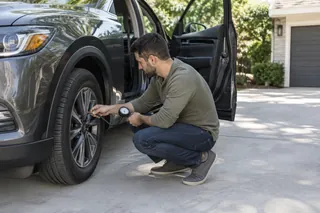
When a tire pressure sensor seems not working in cold weather, first check the actual inflation pressure with a reliable handheld gauge. If the pressure is low in one or more tires, add air to the recommended setting on the vehicle placard and drive briefly. Many systems will reset the warning once the rolling tires warm the air and the pressure rises above the reset point. If the light remains after correcting the pressures, the observation suggests a sensor fault, relearn issue, or receiver problem rather than a simple temperature-related pressure drop.
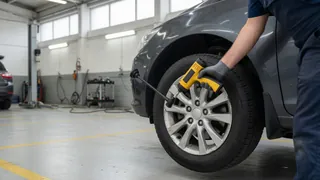
A scan tool that reads body or chassis modules can display live tire pressure data and sensor identifiers. If one wheel reads dashes or a zero value while others report normal pressures, that points to a specific wheel unit, its battery, or its mounting position. However, the code stored is diagnostic evidence, not proof that a particular sensor must be replaced. A trained technician can use a TPMS activation tool to trigger each sensor and verify its response. This distinguishes a dead sensor from a vehicle that merely needs a fresh relearn procedure after a tire rotation or sensor replacement.