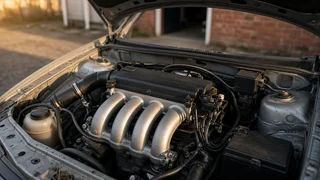
CKL Engine Code: Identification and Specifications
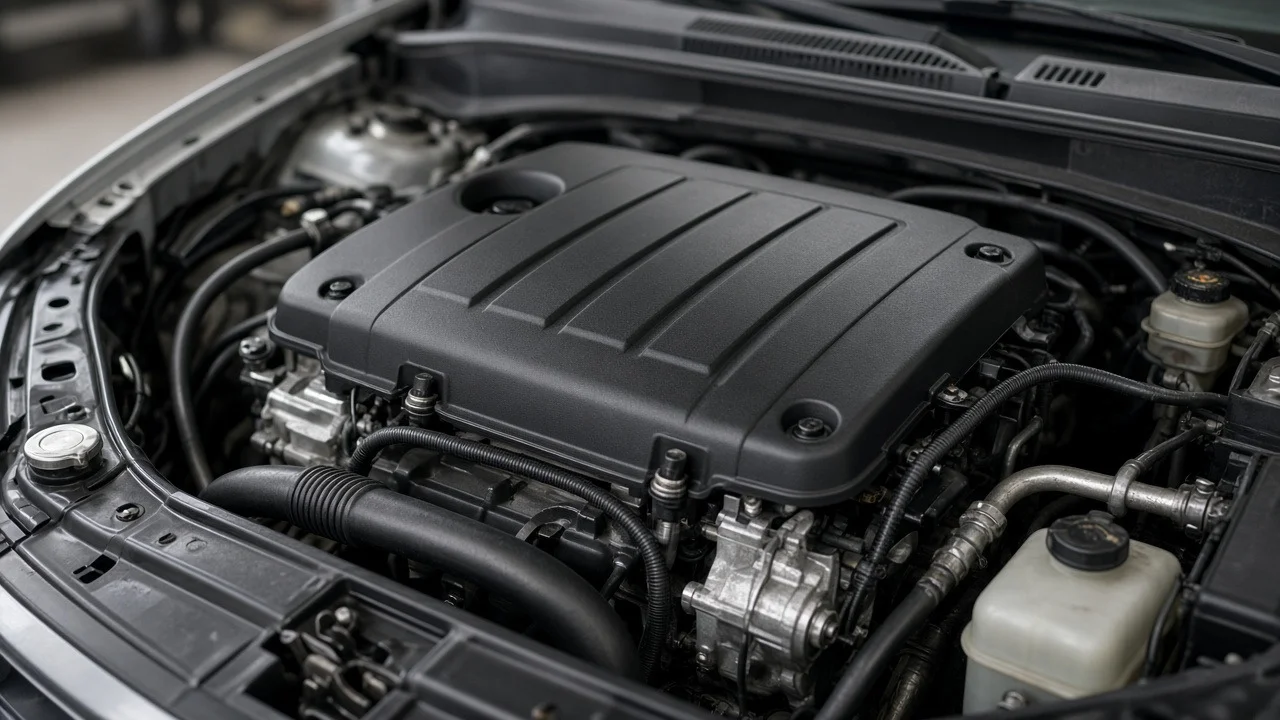
A CKL engine code appears when a vehicle’s powertrain control module stores an identifier that owners may discover during scan-tool diagnosis or while researching a replacement. Understanding what this code means requires separating the diagnostic label from the physical engine configuration. Without confirmed manufacturer documentation, the letters alone do not define displacement, fuel type, output, or internal changes. The useful approach is to treat the code as a lookup key, then match it against the build information, service history, and component markings on the specific vehicle. This helps avoid confusing a regional option code, an emissions family identifier, or a software calibration label with a distinct long-block design.
Essential answer
The essential answer is that CKL is an engine-related identifier, not a standalone specification. In many automotive systems, short engine codes act as internal application tags used for parts cataloging, calibration selection, or production tracking rather than as public performance ratings. The code gains meaning only when paired with the vehicle identification details, model year, market, and sometimes the transmission or emissions package. Without that context, no reliable displacement, horsepower, torque, compression ratio, or fuel-system claim can be attached to the CKL designation.
For a reader researching the CKL engine code, the direct next step is to treat it as search evidence, not as mechanical proof. The label may identify a family of engines sharing a block architecture, while actual assemblies differ by pistons, cylinder head, camshaft profile, or induction design. Service history can show whether the code was recorded during a repair, a recall campaign, or a control-module replacement. Because manufacturer-dependent codes vary by platform, vehicle-specific confirmation is required before concluding that a CKL-coded unit is interchangeable with another engine.
Diagnostic codes that appear alongside an engine identifier often describe operating conditions rather than internal specifications. For example, a stored code may point toward a sensor signal, misfire count, or emissions monitor result, while the CKL label simply identifies which calibration the controller expects. Reading the two together helps a technician understand the symptom conditions without assuming the engine code itself indicates a failed part. Engine configuration, accessory drive, and exhaust layout can all influence which fault codes are plausible, so the identifier works best as a routing tool into the correct service information.
Identification and location
Locating a CKL engine code usually begins with the vehicle identification number and the emission-control information label. The label often lists engine family, displacement, and calibration identifiers in a compact format. On many vehicles, a stamped or printed code also appears on the cylinder block, cylinder head, or timing cover, though accessibility varies. Comparing a scan-tool reading against the underhood label and the owner’s documentation is more reliable than relying on a single source, because sales brochures and online listings sometimes shorten or reuse similar letter combinations.
The physical location is useful when a replacement engine is being considered. If a code is stamped on a machined pad, it may be hidden by brackets, intake plumbing, or heat shields, so a clean inspection area is important. A visible stamp can confirm that the installed unit matches the vehicle’s paperwork, while a mismatch suggests a prior replacement or a production running change. Manufacturer specifications in the service information should be checked before using the code to order parts, because internal assemblies can share a label even when accessories, oil pans, or induction components differ by platform.