ARY Engine Code: Identification and Specifications
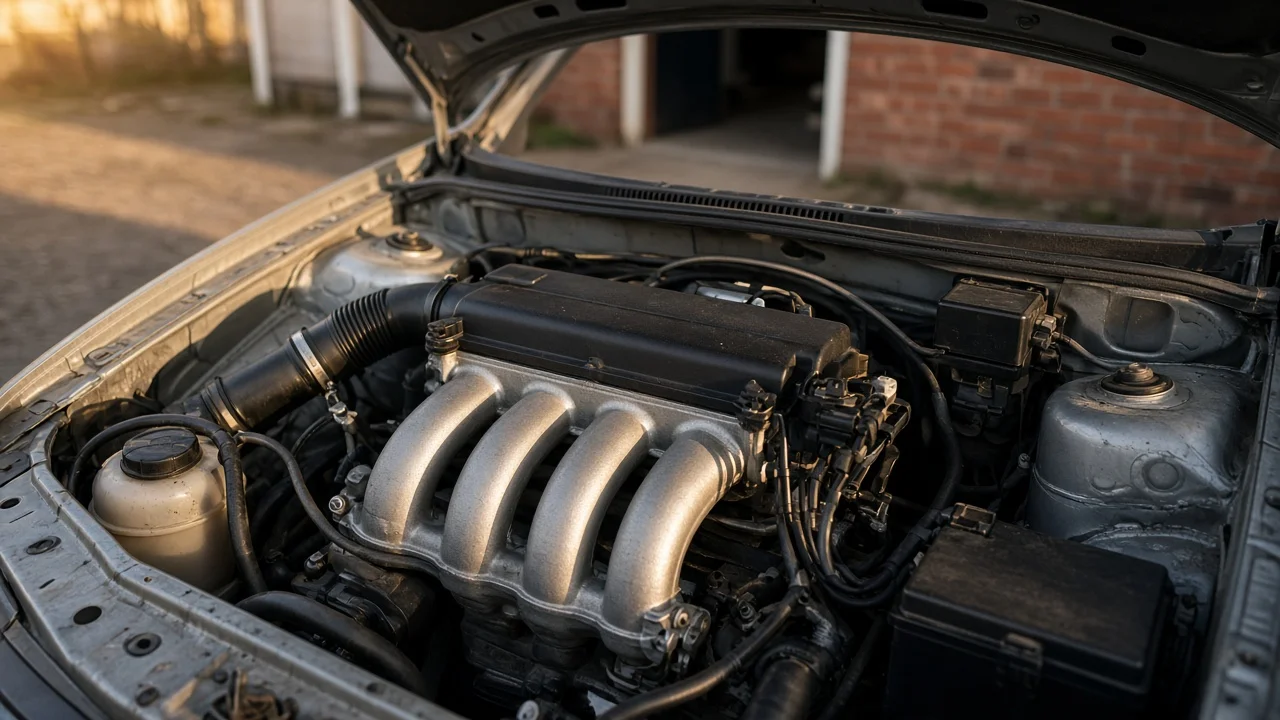
The ARY engine code is best understood as a platform identifier used by some Volkswagen Group vehicles, though it is often confused with later TSI or FSI designations. Owners researching this three-letter stamp usually want to know what hardware it describes, where the code appears, and how that affects service decisions. Because manufacturer plant codes vary by model year and market, the label alone is not a complete mechanical description. A careful reading of the stamping, combined with the vehicle configuration and service history, gives the most useful starting point for parts compatibility and diagnostic work.
Essential answer
The ARY engine code identifies a specific inline four-cylinder gasoline engine family rather than a single universal specification. In practice, the code is most commonly associated with a 1.8-liter twenty-valve turbocharged design, but the exact output and emission controls can differ by chassis, transmission, and regional calibration. Treating the code as a category label is safer than assuming every ARY-stamped unit shares identical internals, software, or bolt-on components.
When a scan tool or parts catalog asks for an engine identifier, the ARY code narrows the search but does not eliminate the need to confirm the vehicle platform. Diagnostic codes and symptom conditions are interpreted more accurately when the technician knows whether the car has a cable throttle, drive-by-wire, or a specific emissions package. The code is a useful shorthand, not a complete engineering drawing, so it should be paired with visual inspection and manufacturer specifications before ordering major components.
Identification and location
The engine code is usually stamped or printed in more than one place, which helps when the primary label is covered by hoses or brackets. Common locations include a flat machined pad on the cylinder block near the transmission bellhousing, a sticker on the upper timing cover, or a build tag in the spare tire well. The three-letter sequence should be clean enough to read without scraping aggressively, since paint, grime, and corrosion can make a similar code look identical to ARY.
Because several Volkswagen Group engines use closely related block castings, a lone ARY listing in an advertisement should be confirmed against the vehicle identification data. Differences in engine configuration, such as turbocharger mounting or intake runner design, are not always visible from the top, so checking the service history and the underhood emission label reduces the chance of purchasing the wrong long block or cylinder head. If the stamping is ambiguous, a dealership or independent specialist can match the full engine serial number to the correct parts group.