ASZ Engine Code: Identification and Specifications
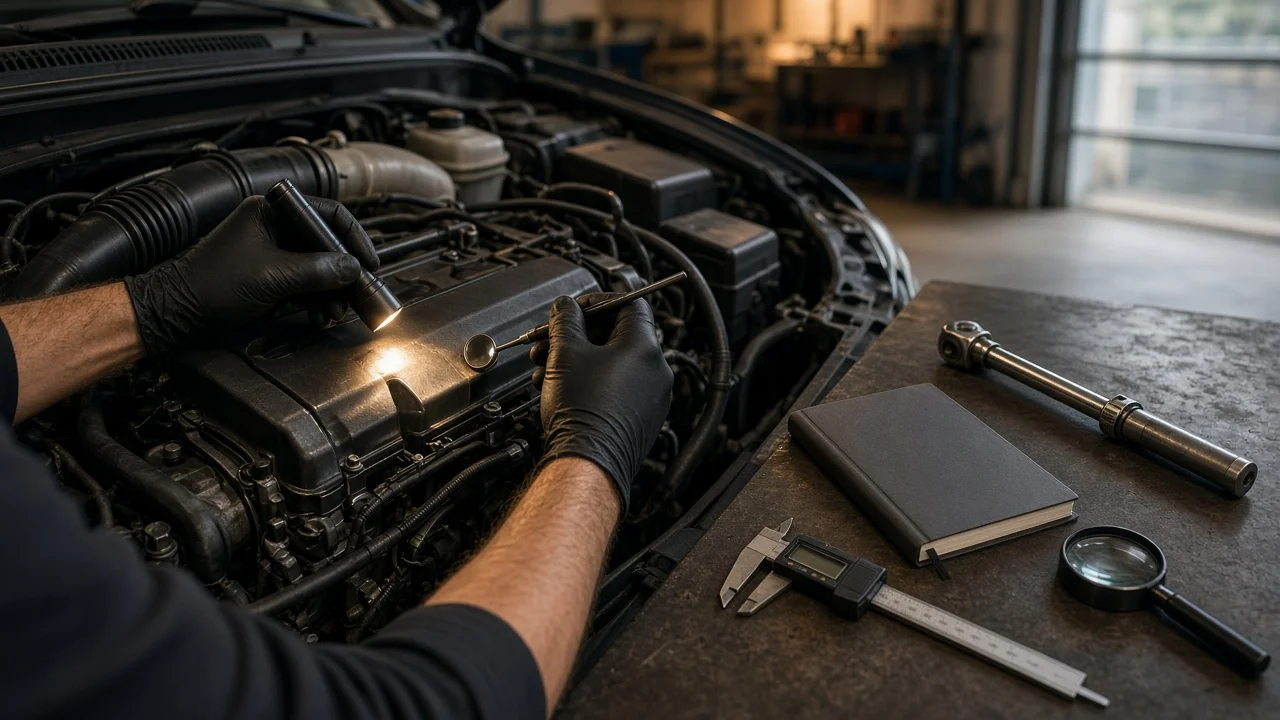
What the ASZ Engine Code Means
ASZ is a three-letter engine code in the format the Volkswagen Group uses to identify specific engine variants. A code like this matters more than a general description such as model name or engine size. Engines that look alike can differ in internal parts, fuel-system components, emissions equipment and electronic calibration, and the code is what separates them for parts ordering, service procedures and diagnostics.
Important qualification: no confirmed technical data for the ASZ code was available for this guide. Displacement, power output, torque, fuel-system type, emissions standard, model-year range and vehicle applications are therefore not stated here. Those details depend on market, model year and vehicle configuration, so take them from documentation tied to the specific vehicle rather than from general listings.
Specifications to Confirm for Your Vehicle
Engine displacement and cylinder count; Rated power and torque, and the standard they are measured under; Fuel-injection system type; Emissions standard and related equipment for the vehicle's market; The models, model years and markets the engine was fitted to; The transmission codes paired with the engine in that vehicle; Recommended oil specification and service intervals
The most reliable sources for these figures are factory repair information, a dealer or parts-department lookup using the vehicle identification number (VIN), and the manufacturer's owner documentation for the exact vehicle. If two sources disagree, the VIN-based record for the specific vehicle should take priority over a generic table.
How to Find and Recognize the ASZ Code
On many Volkswagen Group vehicles the engine code appears in more than one place. Exact locations vary by model, generation and market, so check them against documentation for the vehicle in question.
Vehicle data label: many Volkswagen Group vehicles carry a printed label listing the VIN, engine code, transmission code and paint and option codes. It is often found in the spare-wheel well or trunk area, and a copy is commonly placed in the service booklet. Engine block stamping: the code is usually stamped into the engine block, often followed by a serial number. Its position varies by engine design, and it can be hidden by dirt, corrosion or nearby components. Engine labels: some engines carry a sticker with the code, for example on a cover or the timing-belt area. Stickers can be missing, damaged or left over from a replaced part, so treat them as supporting evidence only. VIN-based lookup: a dealer or parts system can usually decode the factory engine fitment from the VIN. This shows what the vehicle was built with, but it cannot reveal a later engine swap.
Avoiding Common Identification Mistakes
Volkswagen Group engine codes that differ by a single letter can refer to different engines, so read and record all three characters. On worn stampings or faded labels, the letter S can look like the number 5 and the letter Z like the number 2. Engine codes in this family are letters, not numbers.
The engine code is also separate from the transmission code, even though both appear on the same data label. If the engine may have been replaced, the stamping on the block shows what is actually installed. The data label and VIN record show only what was fitted at the factory. Where these sources disagree, rely on the physical stamping when ordering engine parts, and confirm compatibility with a parts specialist.
Next Steps
To confirm whether a vehicle has an ASZ engine, find the code on the data label or block stamping and cross-check it with a VIN-based lookup. Then take the specifications and service requirements from factory documentation for that exact vehicle. This guide does not provide figures, and published numbers from secondary sources should be verified before you rely on them for purchasing, repair or tuning decisions.