Chrysler TPMS Sensor Valve Stem
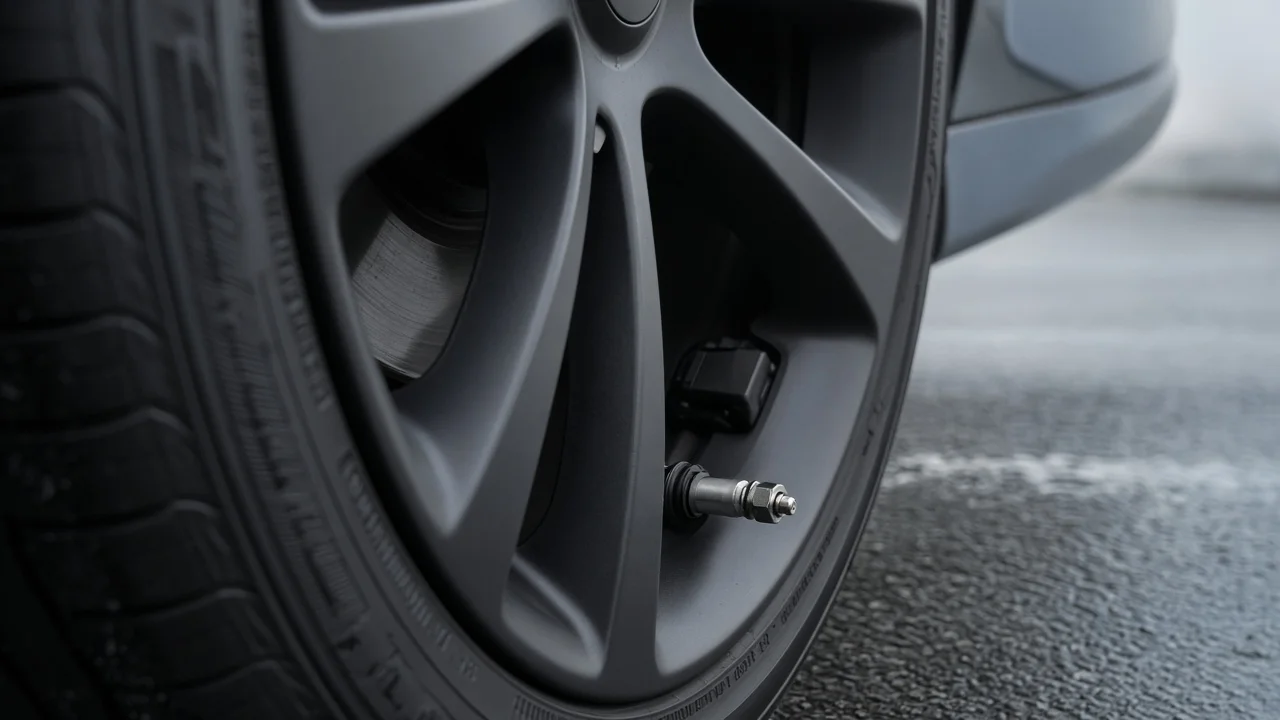
A Chrysler tire pressure sensor valve stem often becomes a concern when a service tire monitor warning appears, a valve is damaged during tire replacement, or a rebuild is planned. This component combines the visible inflation point with tire-pressure monitoring hardware on many vehicles. Understanding how the stem carries the sensor, why corrosion or seal failure matters, and how it relates to wheel fitment helps owners evaluate replacement options without assuming every warning means a failed sensor.
Essential answer
The Chrysler tire pressure sensor valve stem is the metal or rubber assembly that positions the pressure-monitoring module inside the wheel and provides the external fill port. In many direct TPMS systems, the sensor body bolts to, bands to, or rides on the inner end of the stem. The stem itself functions as both a sealing pass-through and a mechanical anchor, so damage from impact, corrosion, or careless demounting can cause a slow air loss that is misread as a sensor fault.
The correct approach is to view the stem and sensor as a service assembly whose condition depends on wheel design, tire size, and the inflation pressure specified on the vehicle placard. Before replacing electronics, a technician should inspect the stem nut, grommet, and core for leakage. If the metal stem is bent or the sealing surfaces are degraded, replacing the valve stem may resolve a pressure alert without condemning the transmitter. Manufacturer-dependent fitment and programming require vehicle-specific confirmation.