Choosing a PERRIN Turbo Heat Shield: Fitment, Features and Real Limits
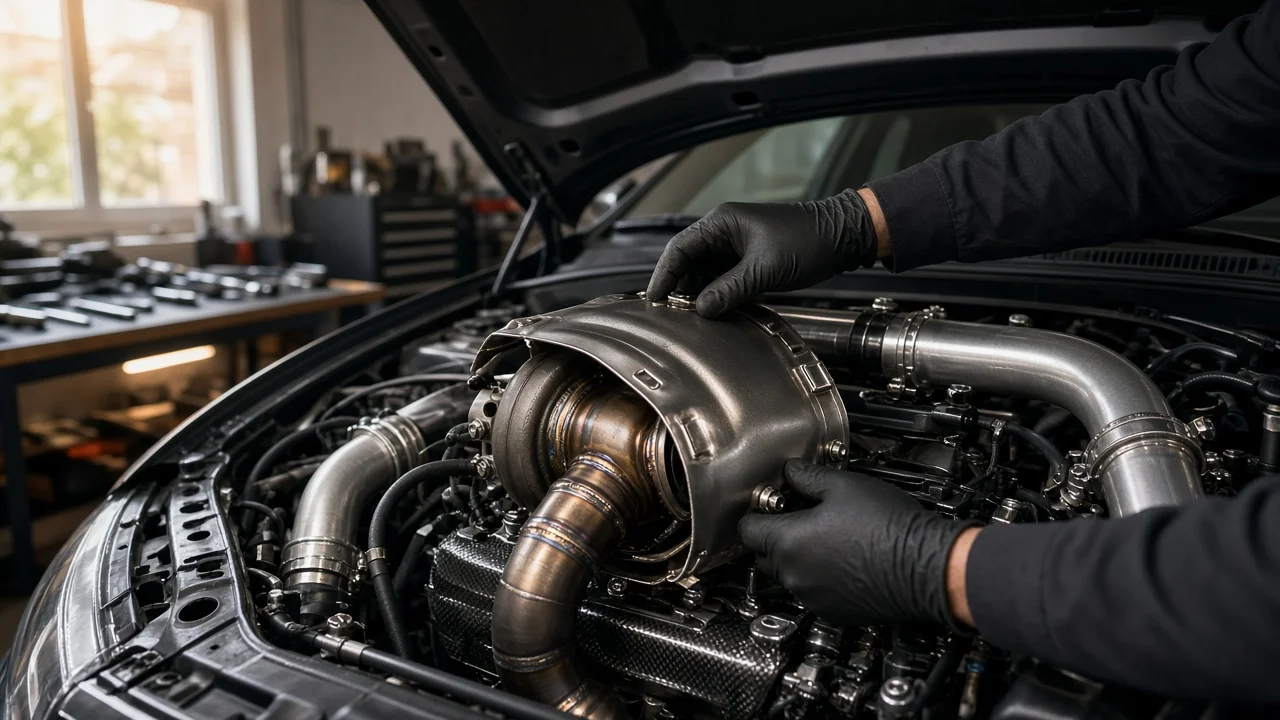
A PERRIN turbo heat shield is a targeted part. It reduces radiant heat from the turbocharger reaching nearby components, and it can replace a tired factory shield. Whether it is worth buying depends on what is actually wrong under your hood, which engine and model year you have, and what else has been changed around the turbo. This guide walks through those decisions from a mechanic's point of view, so you buy the right shield for a real need.
Define the job the product must do
Start by naming the problem you want solved. Owners usually come to a turbo heat shield for one of a few reasons: the factory shield is rattling, cracked or missing hardware; an upgraded turbo, uppipe or downpipe left an area exposed; nearby hoses, wiring or plastic parts show heat damage; or the owner wants to limit heat soak into the intake side of the engine bay. A cosmetic upgrade is also a legitimate reason, but it should be treated as one rather than as a performance fix.
Separate what you have observed from what has been confirmed. A metallic buzz at certain rpm, a feeling that the car is slower on hot days, or a smell after a hard drive are symptom reports. They point somewhere but prove nothing on their own. A verified failure is something you can see during inspection with the engine cold: a broken mounting tab, a shield touching the turbine housing, brittle or discolored vacoum or coolant lines, melted connector housings or scorched wiring loom. Note the symptom conditions too, such as engine temperature, load, and whether the noise appears only over bumps. If the rattle actually comes from a loose exhaust clamp or a different shield, a new turbo shield will not cure it.
Check compatibility
Fitment is decided by model year and engine configuration first. PERRIN's turbo parts are built around specific Subaru turbocharged platforms, and turbo location, surrounding brackets and mounting points differ between engine families and generations. A shield made for one engine variant will not simply bolt onto another, even when the cars share a model name. Confirm the exact year, trim and engine against the manufacturer specifications listed for the part rather than relying on forum descriptions or a seller's general category.
Then account for what has changed on your car. Service history matters here: a replacement or upgraded turbo, a different turbine housing, an aftermarket uppipe or downpipe, a relocated or rotated turbo, or missing factory brackets can all change where the shield sits or whether its mounting points still exist. Check that the shield clears oil feed and return lines, coolant lines, sensors and wiring once installed, and that the original fasteners or studs it relies on are present and in usable condition. If the car has had previous exhaust work, look at the hardware before ordering, because seized or replaced studs can change the installation more than the shield itself does.
Features that affect the choice
The most meaningful difference is the type of protection. A rigid shield mounts with a gap between itself and the hot part, blocking radiant heat while still letting air move and making leaks visible. A wrap or blanket sits directly on the turbine housing or pipe and holds heat in. Each approach has trade-offs: wraps can trap oil or moisture against metal, hide developing leaks and make inspection harder, while a rigid shield must be shaped correctly for your exact layout to work and stay quiet. Decide which approach suits your car before comparing individual products.
Look at the details that affect daily ownership: material and finish, whether mounting hardware is included, how the shield isolates vibration, and whether it can be removed for routine service without pulling other parts. Treat marketing labels carefully. Phrases like reduces under-hood temperatures or eliminates heat soak describe intent, not proof. A temperature claim is only useful if it states where it was measured, under what conditions and compared with what baseline. Without that, judge the part on fitment, construction and whether it addresses the problem you verified.
Limitations and ownership costs
A heat shield does not repair anything. It will not fix a failing turbo, an oil leak at the turbo feed or return, a boost leak, a cracked exhaust manifold or an intercooler that is not getting enough airflow. It also will not clear diagnostic codes, because a shield is not a monitored component. If the car is setting codes or showing warning lights, diagnose those faults on their own merits; a heat-related symptom and a separate fault can easily appear at the same time and be wrongly linked.
Budget for the work around the part. Depending on the platform, access to the turbo area may require removing the intake, the intercooler or other components. Exhaust-side fasteners are often seized, and a broken stud can turn a short job into a much longer one. If any exhaust joint is disturbed, plan on new gaskets. Use high-temperature anti-seize where appropriate, follow the manufacturer's torque guidance, and recheck fasteners after a few heat cycles. Over time, check the shield during oil changes for cracks, loose hardware and oil residue, since a shield can hide the early signs of a turbo seal or line leak if nobody looks behind it.
Build a practical shortlist
Before buying, run through a short checklist. Confirm the exact model year, trim and engine variant against the published fitment. List every change to the turbo and exhaust from the service history and check that the shield is designed to work with them. Write down whether your reason is a verified failure, a symptom report or an appearance upgrade. Decide between a rigid shield and a wrap-style product based on how often you need to inspect that area. Check what hardware is included and what you will need to source yourself.
Finally, compare total cost rather than part price alone: the shield, any replacement studs or gaskets, and labor if you are not doing the job yourself. If two options both fit your car and your verified need, prefer the one with clearer fitment information, stated mounting details and easier access for future inspection. If none of the candidates clearly match your engine configuration and modifications, ask the manufacturer for confirmation before ordering, because a shield that almost fits usually rattles, rubs or ends up off the car.