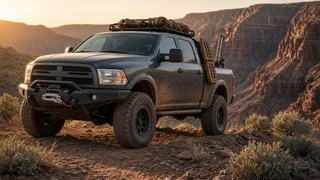
Choosing an off-road capable van
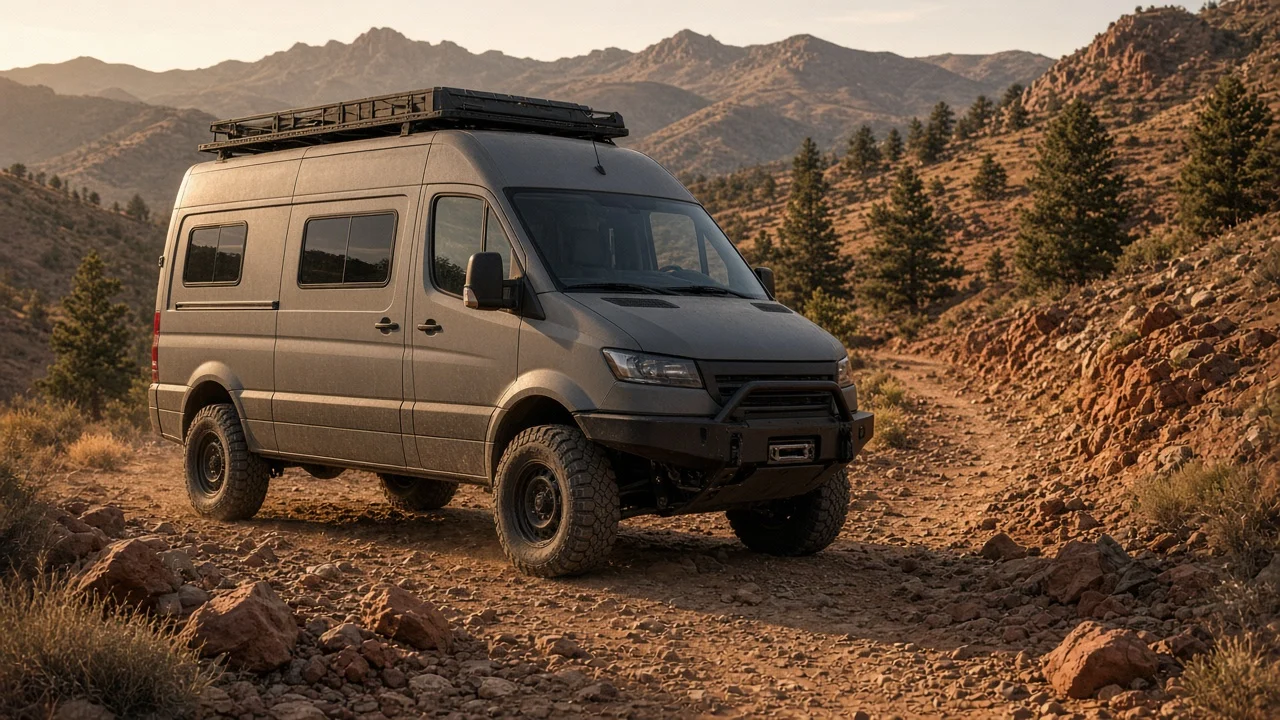
An off road capable van bridges the gap between enclosed cargo or passenger space and the traction, ground clearance, and durability needed for unsealed terrain. Whether you want a base for dispersed camping, a mobile workshop, or a family adventure vehicle, the right drive configuration and supporting equipment matter more than aggressive appearance. The market separates vehicles designed for rough service from passenger vans merely fitted with cosmetic accessories. Checking suspension, tires, recovery points, and wheelbase early prevents buying something that looks capable but struggles once the pavement ends.
The direct answer
The immediate answer is that a genuinely off road capable van combines durable all-wheel drive or four-wheel drive, useful ground clearance, suitable tire specification, and a suspension designed for the extra weight and travel that unimproved terrain creates. Vans built on truck-style chassis tend to tolerate washboard roads, ruts, and rocky two-tracks better than front-drive passenger platforms. A taller appearance alone does not solve the problem: short-travel suspension and street-oriented stability tuning can still leave the vehicle pitching and losing traction when one wheel unloads.
The most important condition is intended terrain. A fire road or graded forest service route places different demands on a van than deep sand, mud, or technical rock steps. A high-roof, long-wheelbase model may have abundant interior room but suffer on tight switchbacks and sharp crests. In many cases, the shorter wheelbase and a locking or limited-slip rear differential matter as much as nominal all-wheel drive. Checking the terrain before the purchase determines whether a mildly lifted van with all-terrain tires is enough or whether a body-on-frame design with low-range gearing is required.
Choosing and buying
Before committing, evaluate ground clearance at the lowest vulnerable points, not just the rocker panel. The rear differential, fuel tank, and suspension mounts often sit lower than they appear and become the first items to strike a rock. Also look at the tire specification: an off-road capable van needs a sidewall profile strong enough to resist cuts from gravel and flexible enough to be aired down for sand or rutted climbs. Confirm the spare is full-size and can actually be reached when the vehicle is loaded at an angle.
Recovery points are easy to overlook on a cargo or passenger van. Factory tie-down loops are not always rated for a hard extraction from mud or snow, so check for accessible frame-mounted hooks or a hitch receiver that can accept recovery equipment. Pay attention to how accessories add weight behind the rear axle. Roof racks, bumpers, and water tanks change the way the van behaves on side slopes and climbs. A test drive with realistic load is more informative than a short unloaded loop near the dealer.
Comparing alternatives
When comparing alternatives, rank them by traction systems before cabin features. Full-time all-wheel drive is convenient on mixed pavement and dirt, while a selectable four-wheel drive system with low range offers more control for steep ascents and loose surfaces. A narrow van body can follow trails that a wide dually or an extended-body model cannot. The longer wheelbase improves highway stability but reduces breakover angle, making high-centered stalls more likely on mounded or deeply rutted roads.
Fuel capacity and range also deserve comparison because off-road travel often means long distances between stations. A van that requires premium fuel or has poor clearance for larger tires may limit how far you can venture. Interior comfort and sleeping or storage layouts matter less than a clear view of the front wheels and mirrors that help place the tires precisely on a narrow track. The better choice is the vehicle whose weight, wheelbase, and traction systems match the worst section of the route you genuinely expect to drive.