Choose Dodge Durango engine oil type

Choosing the right engine oil for a Dodge Durango depends on the specific model year and engine installed in the vehicle. The correct oil type supports bearing life, variable valve timing response, and piston ring sealing under heat and load. Rather than relying on a single generic answer, owners should treat the query as a lubricant specification decision that starts with equipment identification. Factors such as factory viscosity guidance, manufacturer approval standards, expected operating temperatures, and the current service interval all shape which product is appropriate. Reading the oil fill cap and owner’s manual narrows the choice before comparing available brands at a given fill quantity.
Essential answer
The direct answer is that a Dodge Durango normally requires an engine oil that meets the viscosity and performance standard listed by Chrysler for the specific powertrain. Common gasoline V6 and V8 applications often call for a widely available synthetic blend or full synthetic in a multi-viscosity grade suited to the local climate. Owners should verify the vehicle generation, engine displacement, and emissions calibration because turbocharged, high-output, or newer engines may have different lubricant demands than older pushrod designs. The oil type is therefore a matching exercise between the engine architecture and the manufacturer approval printed in the documentation.
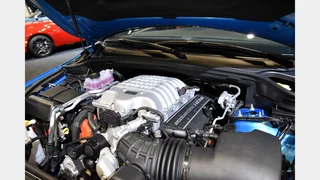
Before purchasing, check the level and condition of the existing lubricant as part of routine underhood inspection. A low reading can point to consumption or seepage, while a milky appearance may indicate coolant contamination unrelated to viscosity choice. The fill quantity matters because an overfilled crankcase can aerate the oil and reduce hydrodynamic film strength. The level check should be performed on level ground with the engine at operating temperature after a brief shutdown, using the dipstick procedure supplied for that model. This confirms whether the vehicle needs only a top-off or a complete oil and filter service.
Relevant alternatives
Full synthetic, synthetic blend, and conventional lubricants differ in base oil refinement and additive package performance. A full synthetic typically resists thermal breakdown better during sustained towing, high ambient heat, and extended drain intervals, which can benefit a heavy Durango used for trailer work or mountainous driving. A synthetic blend offers a useful middle ground for older naturally aspirated engines where moderate cost and adequate cold-start flow are priorities. The proper comparison should keep viscosity and manufacturer approval equal; otherwise the decision reflects mismatched specifications rather than actual product quality.
Multi-viscosity options such as 5W-20, 0W-20, or 5W-30 may appear across different Durango model years, and the best selection depends on the engine family and the temperature range the owner expects. Cold-weather drivers often benefit from the lower winter rating, while high-load use places more stress on high-temperature shear stability. An oil carrying the required industry or automaker performance code should remain the minimum threshold, with any upgrade justified by usage patterns such as frequent short trips, dusty conditions, or repeated heavy acceleration. Matching the drain interval to actual operating conditions helps the chosen oil perform consistently throughout the service period.