Stop-Start Unavailable or Service Stop-Start System on a Dodge Durango: What It Means

The short answer
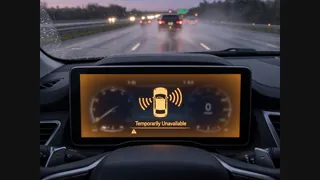
On a Dodge Durango with engine stop-start, the system normally shuts the engine off at a standstill and restarts it when the brake is released. The two messages mean different things. Stop-Start Unavailable usually means the system has decided not to stop the engine right now because one or more operating conditions are not met. Service Stop-Start System points to a detected fault, which needs diagnosis rather than waiting it out. In either case the engine still runs normally. The vehicle simply stays running at stops instead of shutting off.
Not every Durango has this feature. Stop-start availability depends on model year, engine and trim, and no verified fitment data was supplied for this article. Check your owner's manual or window sticker to confirm whether your vehicle is equipped.
Stop-Start Unavailable: usually a temporary condition
Stop-start systems in general hold off on shutting the engine down when doing so could compromise comfort, battery charge or engine protection. The following factors commonly keep these systems from activating. They are general to the technology and not confirmed Durango-specific thresholds.
Engine not yet at normal operating temperature; Battery state of charge too low to support a restart; High demand from climate control, such as heavy heating, cooling or defrost; Very hot or very cold outside temperatures; Driver door open, seat belt unfastened or hood not fully closed; Steering input or a steep incline at the stop; Vehicle recently restarted, or not driven above a minimum speed since the last stop
If the message shows up only now and then and clears on later drives, it is generally consistent with normal behavior rather than a failure.
Service Stop-Start System: a fault needs checking
This message indicates the vehicle has detected a problem that disables the feature. With stop-start systems generally, the battery is a frequent suspect. Restarting the engine repeatedly places extra demands on the battery, so a weak or aging battery, or a related charging or monitoring component, can trigger a service warning.
Some vehicles on related platforms use a secondary or auxiliary battery to support stop-start. No supplied evidence confirms whether a given Durango has one, where it is located or how often it fails. Treat any claim that a specific part is the usual cause as unverified until a scan tool or dealer confirms it.
What to do next
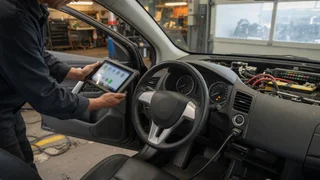
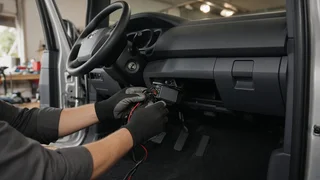
Note when the message appears, whether it clears on its own and whether any other warnings are lit. Have the battery or batteries tested. A healthy reading at a parts store does not always rule out a stop-start-related battery problem. Have the stored diagnostic trouble codes read with a scan tool capable of reading body and powertrain modules. Ask a dealer whether any service bulletins or recalls apply to your vehicle identification number. None were available for this article. If the vehicle is under warranty, let the dealer diagnose it before you replace parts.
Is it safe to keep driving?
A stop-start message on its own generally means you lose fuel savings at idle, not drivability. However, if the underlying cause is a weak battery or a charging issue, that same problem could eventually lead to a no-start. If you see other warnings, such as a battery or charging light, or the engine cranks slowly, have the vehicle checked promptly.
Information gaps
No supplied sources covered which Durango model years and engines include stop-start, the exact activation thresholds, specific trouble codes, battery specifications, repair costs or service bulletins. Confirm these details with the owner's manual, a dealer or a qualified technician.