Choose crankcase engine oil
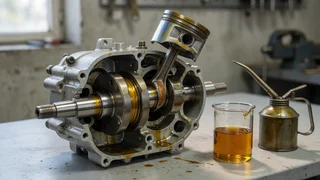
Choosing the right crank case oil is a practical engine-protection decision, not just a routine top-off. The crankcase holds the lubricant that separates metal surfaces, carries away heat, and keeps combustion residue suspended until the filter removes it. A driver searching for the correct oil usually faces questions about viscosity behavior, fill quantity, manufacturer approval, and service interval. Matching those factors to the specific engine and operating conditions helps maintain oil pressure, cold-start flow, and long-term cleanliness while avoiding the wear that follows from an ill-suited lubricant.
Essential answer
The essential answer is that crankcase oil is the engine's primary lubricant, stored in the sump and circulated by the oil pump through passages, bearings, and the valve train. Its function goes beyond reducing friction: it cools hot internal parts, seals the gap between piston rings and cylinder walls, and holds soot, fuel residue, and moisture in suspension. The oil must flow quickly during a cold start yet retain enough film strength at full operating temperature. Because engines are designed around a specific lubricant specification, choosing outside that approval can change oil pressure, increase consumption, or reduce wear protection.
The most useful starting point is the equipment identification found in the owner's manual or on the underhood fill cap. That manufacturer approval describes tested chemistry for the engine family, not merely brand preference. Fill quantity matters just as much: an overfilled crankcase can churn the oil into foam, lowering effective pressure, while an underfilled sump may expose the pickup during hard cornering or acceleration. A level check before and after service confirms the correct amount, but the selection itself should follow the specified viscosity grade and performance standard for the vehicle and its typical use.
Relevant alternatives
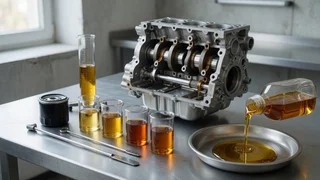
When comparing alternatives, the first practical question is whether each candidate oil carries the exact manufacturer approval for the engine. A lower-cost conventional oil that meets the required standard can work well for regular commuting and consistent drain intervals. A full synthetic in the approved grade often resists oxidation and shear breakdown better under severe conditions such as towing, high ambient heat, or repeated short trips. The value of a premium formulation increases when sustained heat, fuel dilution, or extended operation pushes the lubricant closer to its performance limits.
High-mileage oils may include seal conditioners intended to reduce minor seepage, but they are not a substitute for repairing mechanical wear. A fuel-economy oil can only deliver its benefit within the viscosity range the engine was designed to accept. For a driver maintaining short service intervals with light loads, a quality conventional or synthetic blend meeting the approval may provide good value. For frequent cold starts, heavy loads, or stop-and-go operation, a full synthetic in the same approved grade often retains viscosity and keeps piston ring areas cleaner over time.