Choose brake fluid for a 2013 Subaru Outback
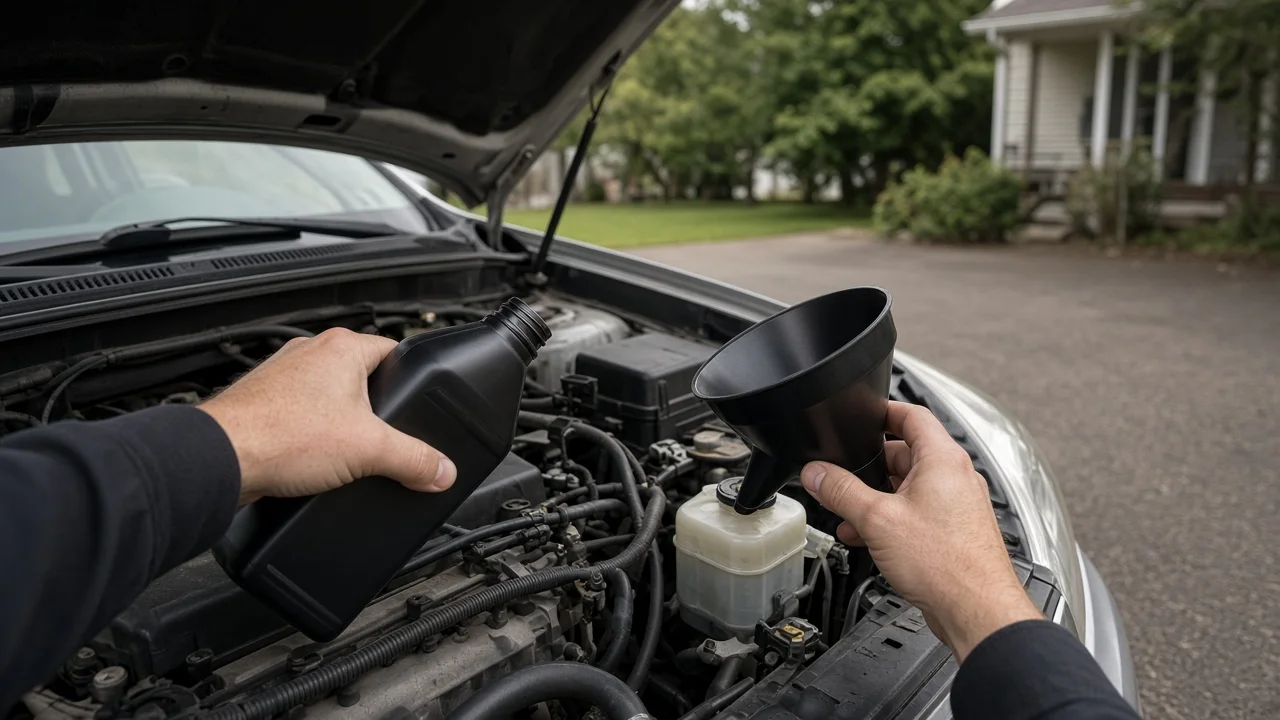
Choosing the correct brake fluid for a 2013 Subaru Outback is less about brand preference and more about matching the fluid specification to the hydraulic system’s design. The reservoir cap and owner’s manual typically identify the required DOT grade, which affects boiling point, moisture absorption, and compatibility with seals inside the master cylinder, ABS unit, and calipers. Because brake fluid operates under heat and pressure, using the wrong type can reduce pedal firmness and increase corrosion risk. Understanding how this fluid interacts with pads, rotors, and calipers helps owners make a confident, low-risk selection.
Essential answer
A 2013 Subaru Outback normally uses a glycol-based DOT 3 or DOT 4 brake fluid, depending on the specific system and any manufacturer guidance printed on the reservoir cap. DOT 4 generally offers a higher dry and wet boiling point than DOT 3, which can be useful during repeated downhill braking or hard stops that raise caliper temperature. Since both types are compatible with many conventional hydraulic brake systems, the key is to confirm the required DOT grade rather than assume that a higher number is automatically approved.
Brake fluid does not wear out like friction material, but it absorbs water over time. That absorbed moisture lowers the fluid’s boiling point and can promote internal corrosion in steel lines, caliper bores, and ABS components. A spongy pedal after prolonged braking may indicate that the fluid has boiled or taken on excessive moisture. Checking clarity and using the recommended fluid during service helps preserve consistent pedal travel and protects the hydraulic components that press the brake pads against the rotors.
Relevant alternatives
When comparing DOT 3 and DOT 4 for this vehicle, the practical difference is thermal reserve. DOT 3 is a common factory-spec fluid that performs well in ordinary driving, while DOT 4 maintains a higher boiling point and may be preferable for mountainous routes, towing, or repeated high-speed stops. However, a higher DOT number does not mean better lubrication for the caliper slides or longer life for the pads and rotors. The choice should follow the system’s approved specification rather than racing-oriented assumptions.
Many owners ask whether DOT 4 can simply replace DOT 3. In compatible systems, mixing the two is usually possible because both are glycol-based, but the resulting boiling point will fall closer to the lower-rated fluid. A full flush is more effective than topping off when changing grades, because it removes moisture and old fluid from the ABS circuit and caliper passages. Without a flush, leftover contaminated fluid can reduce the benefit of the upgrade. Vehicle fitment and the cap label remain the best starting points for a correct selection.