Subaru Outback wheel bolt pattern
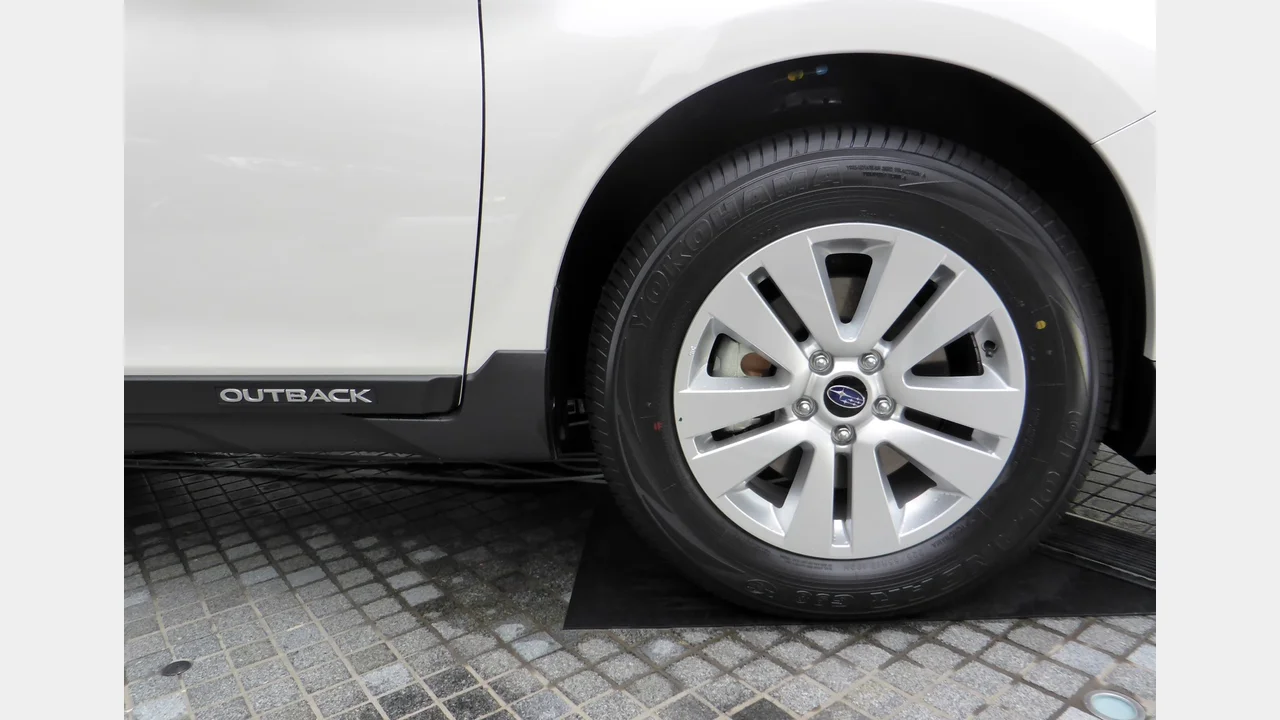
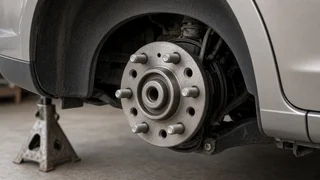
A Subaru Outback wheel bolt pattern is the measured circle formed by the stud holes on the hub, and it determines whether a wheel can physically seat against that hub. Owners often notice the question when replacing a damaged wheel, upgrading to aftermarket rims, adding a full-size spare, or fitting seasonal tire packages. Because the Outback spans several model generations and trim levels, the pattern is not a single meaningless stamp; it is a hub specification that works with center bore, offset, and thread pitch. For the 2013 model year and the earlier 2005 model year, the shared bolt circle is a practical reference, but vehicle-specific confirmation matters before buying wheels.
Essential answer
The 2013 Subaru Outback wheel bolt pattern uses five lug holes arranged on a 100-millimeter pitch circle diameter, commonly written as 5x100. This configuration means the wheel has five evenly spaced studs, and if you draw a circle through the center of each lug hole, that circle measures 100 millimeters across. The 2005 Subaru Outback wheel bolt pattern also uses the same 5x100 layout. That shared measurement reflects the long-running Subaru hub design used across several model generations, making many factory wheels and aftermarket options interchangeable in terms of bolt circle alone.
Matching the bolt pattern is necessary but not sufficient for a safe fit. The center bore must also align with the hub pilot, the wheel offset has to keep the tire within the fender and suspension envelope, and the lug seat shape must match the fastener. Because trim level, body style, and market specification can influence brake clearance and wheel width, a wheel that matches 5x100 may still require test fitting. The bolt pattern answers the primary question, while offset and hub bore explain why two 5x100 wheels can fit differently on the same Outback.