Choose 2013 Ford Escape transmission fluid
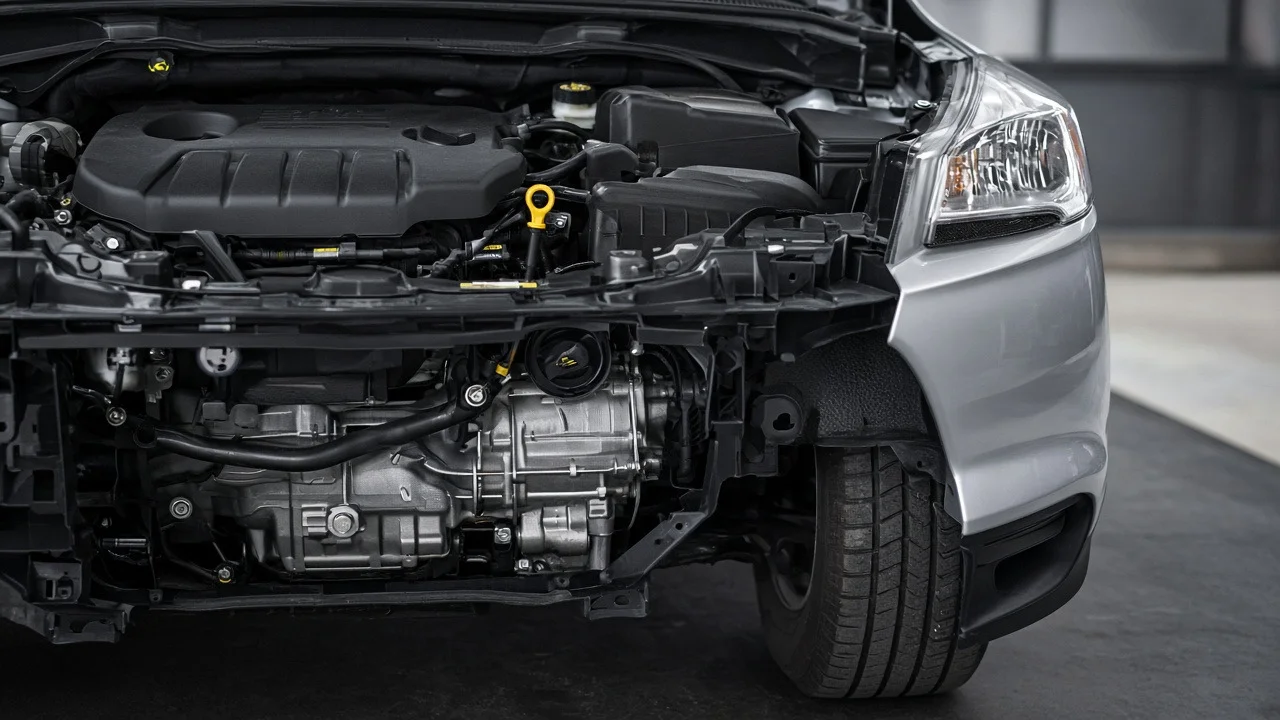
Choosing the right transmission fluid for a 2013 Ford Escape depends first on which transmission the vehicle has. Fluid specification, transmission type, and service history all shape the correct selection, and using the wrong product can alter shift behavior or reduce long-term protection. The owner should match the fluid to the confirmed build, not to a generic automatic transmission fluid label, because fitment differences exist within this model year and are not always obvious from engine size or trim alone.
Essential answer
The essential answer is to identify the transmission before selecting fluid. A 2013 Escape may use more than one automatic transmission design depending on drivetrain configuration, and each can carry a different fluid requirement. The owner should check the build information or service documentation rather than assuming one fluid works across all versions. Once the transmission is confirmed, the fluid choice should follow the stated specification for that unit. Specific fluid names and part numbers require vehicle-level confirmation, but the governing principle is that the selected lubricant must match the transmission's design.
This matters because modern transmissions use carefully matched friction modifiers and viscosity behavior. Generic fluid may satisfy a broad claim but still produce subtle changes in lockup feel, shift quality, or cold-temperature operation. Where a diagnostic code or shifting complaint exists, the fluid itself is only part of the picture. A code indicates a condition to interpret, not proof that fluid selection or a particular component has failed. Matching the fluid specification is therefore a necessary first step, but it does not override the need for correct diagnosis when symptoms are already present.
Relevant alternatives
Relevant alternatives include factory-specified fluid, a licensed equivalent, and a broader multi-vehicle fluid that lists the same specification. The factory-specified product offers the most direct fitment path and reduces uncertainty when service history is incomplete. A licensed equivalent from a major lubricant supplier can be suitable when it states the required specification on the label. Buyers should compare the product claim against the vehicle requirement, not against a competitor's marketing name, because similar bottle descriptions do not always indicate identical performance in a specific transmission.
A multi-vehicle fluid may appear convenient, but it should be chosen only when the manufacturer documentation clearly identifies the requirement it replaces. If the vehicle has ambiguous build information or has experienced shifting concerns, the safer approach is to select the narrowest match to the confirmed specification. Fluid condition can also influence perceived transmission behavior, so a change may improve feel when the existing fluid is degraded, but it is not a guaranteed repair for worn or malfunctioning internal parts. Each option has a place, and the deciding factor should be fitment certainty rather than price or packaging alone.