Chevy Silverado Wheel Bolt Pattern and Offset by Year
Choosing replacement wheels for a Chevy Silverado starts with two measurements that are easy to confuse: the lug pattern and the wheel offset. The bolt circle determines whether a wheel physically mounts to the hub, while offset controls where the tire sits inside the wheel opening. Because Silverado generations and trim levels can vary, a wheel that fits one model year may create clearance or handling problems on another. Understanding these dimensions helps you sort factory take-offs from aftermarket options without guessing, and it explains why the right fit depends on more than just matching the number of lug nuts.
Essential answer
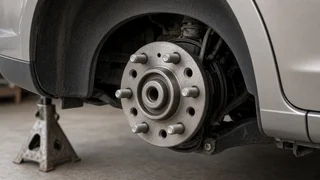
The Chevy Silverado wheel bolt pattern identifies the arrangement of the studs on the hub, typically described by the number of lugs and the diameter of the circle they form. Silverado 1500 trucks have used a six-lug pattern across many model years, while heavier 2500 and 3500 models have historically used an eight-lug layout. A wheel must match this bolt circle before any other fitment question matters, because an incorrect pattern will not seat safely on the hub even if the rim diameter and width look similar.
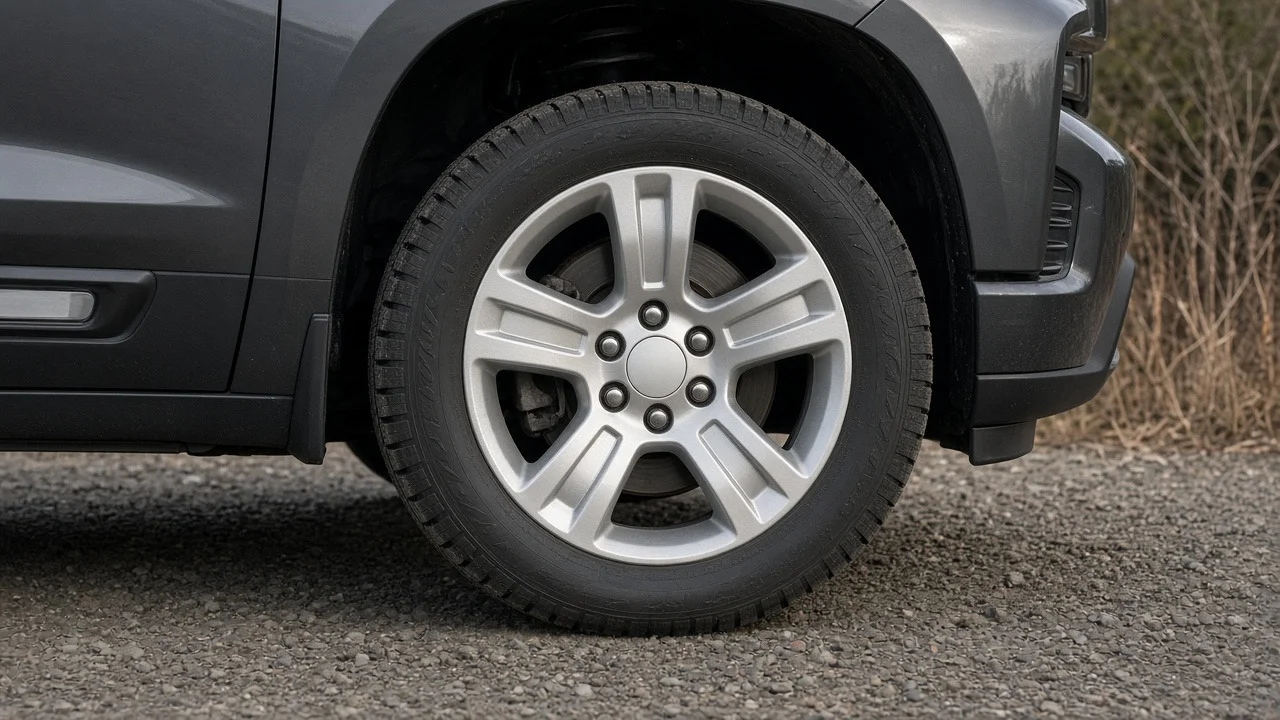
Wheel offset is a separate measurement that describes where the mounting face sits relative to the centerline of the rim. A stock Silverado wheel offset places the tire within a range the factory designed for steering geometry, suspension travel, and fender clearance. Moving to a more negative offset pushes the wheel outward, while a more positive offset tucks it inward. Checking a Silverado wheel offset chart by year is useful because suspension and brake packaging changes can shift the acceptable range even when the bolt circle stays the same.