Chevy 350 oil pressure sending unit

A Chevy 350's oil pressure gauge or warning light depends on a small sensor that converts engine lubrication force into an electrical signal. When the dashboard reads erratically, drops to zero, or pegs high, the sending unit itself is often the first suspect rather than the oil pump or bearings. This component sits in a hot, vibration-heavy part of the small-block V8 and can degrade over time. Understanding what the sending unit does, where it is located, how it differs from a switch, and how to approach diagnosis helps you separate sensor failure from genuine low pressure.
Essential answer
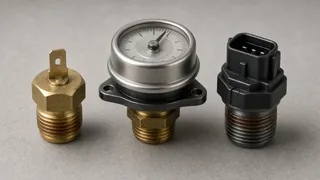
The essential answer to a Chevy 350 engine oil pressure sending unit question is that this part is the electrical sensor threaded into the block, usually near the distributor at the rear of the intake manifold or just above the oil filter boss. It measures the force of the lubricant being pushed through the main oil gallery and translates that physical pressure into a resistance value. The dash gauge then reads that resistance as a pressure number. On many small-block applications the component is a variable-resistance sender rather than a simple on-off switch, which is why the needle can move gradually.
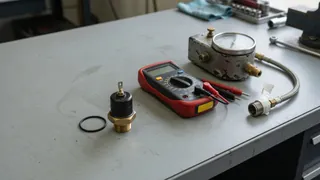
When a Chevy 350 shows an oil pressure reading that is flickering, stuck, or completely dead, the sending unit is a common and inexpensive diagnostic starting point. The sensor sees constant heat cycles, oil exposure, and engine vibration, so its internal diaphragm or rheostat can wear out even when the pump and bearings are healthy. Replacing or testing the sender usually involves locating the correct threaded fitting, disconnecting a single weatherproof electrical connector, and checking whether the gauge responds. This sequence helps distinguish an instrumentation fault from a lubrication system problem.