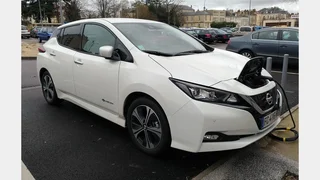
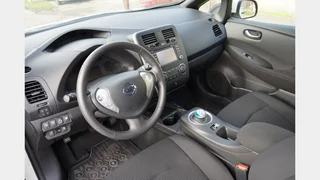
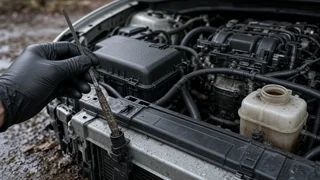
Checking a Flood-Affected Nissan Leaf Before Purchase
The Short Answer
A Nissan Leaf that has been in a flood is a high-risk purchase. The main reason is its high-voltage battery pack, which sits under the cabin floor and can be damaged by water in ways that are not visible. Saltwater exposure is the most serious case because salt residue speeds up corrosion and can create conductive paths inside electrical components. A cautious buyer should generally walk away from a Leaf known to have been submerged above the floor or in saltwater. If you still want to consider one, do not buy it without a full title history, a professional inspection that includes the high-voltage system, and a price that reflects the uncertainty.
This guide covers US buyers screening used Leafs of any generation. Details such as battery design, charging hardware and diagnostic tools differ between model years and generations, so confirm specifics for the exact car you are looking at.
Why Flood Damage Matters More in an Electric Car
Flooding harms any car through corroded wiring, failed electronics, mold and damaged interiors. An electric vehicle adds a large traction battery and high-voltage cabling and power electronics, and these are expensive to replace. Water that gets past the battery enclosure seals can corrode cell connections, battery management electronics and connectors. Damage may not show up for some time after the car dries out.
US safety officials and fire services have publicly warned that EVs submerged in saltwater can pose a fire risk, sometimes well after the flood. Not every flooded EV will fail or catch fire. However, a successful test drive does not prove the battery is sound.
Step One: Check the Paperwork Before Seeing the Car
Start with the vehicle identification number (VIN). Title history can reveal a flood or salvage designation, although branding rules differ by state. A flood-damaged car can also be retitled in another state or sold before an insurance claim is recorded, a practice often called title washing.
Run the VIN through a report that draws on the National Motor Vehicle Title Information System (NMVTIS), the federal title database. Use the National Insurance Crime Bureau's free VINCheck service, which can show vehicles reported as insurance total losses or thefts. Look for flood, salvage, rebuilt, junk or water-damage brands, and for a recent title transfer between states. Check where the car was registered and whether that area recently had major flooding. Ask the seller directly, in writing, whether the car has ever had water intrusion, and request repair and insurance records.
A clean report lowers the risk but does not remove it. Some flood damage is never reported to insurers. The physical inspection still matters.
Step Two: Look for Physical Signs of Water Exposure
These general flood indicators apply to any car, including the Leaf:
A musty or mildew smell, or a strong air freshener that may be covering one. Silt, mud or debris under the seats, in the spare-tire or cargo well, in seat tracks, behind trim panels or in seatbelt retractors. A visible waterline or discoloration on door panels, carpet or the engine-bay area. Rust on unpainted metal that normally stays dry, such as seat rails, bolts under the dashboard and pedal brackets. Carpet or upholstery that looks newer than the rest of the interior, or that is damp underneath. Condensation or water marks inside headlights, taillights or the instrument cluster. Intermittent electrical faults, such as warning lights, malfunctioning windows, locks, infotainment or climate controls.
Step Three: Leaf-Specific and EV-Specific Checks
Because the traction battery is mounted under the floor, even moderate standing water can reach it. Pay particular attention to the following:
Underside of the battery pack: look for corrosion, white or crusty salt deposits, dented or disturbed enclosure panels, and signs the pack has been opened or resealed. High-voltage connectors and orange cabling: check for corrosion, residue or replaced components with no supporting repair records. Charging port: inspect the pins and surrounding area for corrosion or residue. Port type varies by generation and market, so confirm what the specific car uses. The 12-volt battery and its terminals: corrosion here may point to water exposure, though it can also have ordinary causes. Dashboard warnings: any battery, high-voltage system or charging-related warning should be treated as a serious red flag on a car with possible flood history. Charging test: if possible, confirm the car charges normally on both standard and fast charging, if equipped.
First- and second-generation Leafs display a battery capacity gauge on the instrument cluster, and owners commonly use an OBD-II adapter with third-party software to read battery state of health. These readings show how much capacity the battery has lost, which is useful when buying any used Leaf. They do not detect water intrusion or corrosion, so a good capacity reading does not clear a flood-exposed car.
Step Four: Get a Professional High-Voltage Inspection
For any Leaf with a suspected or confirmed water history, a general pre-purchase inspection is not enough. Ask a Nissan dealer or an independent shop qualified to work on high-voltage EV systems to do the following:
Scan all modules for stored and historical diagnostic trouble codes, including battery and high-voltage system codes. Check for high-voltage isolation faults, which can indicate moisture or damage letting current leak toward the vehicle body. Inspect the battery enclosure, seals and connectors from underneath on a lift. Confirm whether any battery or high-voltage components have been replaced and whether the work was documented. Check for open recalls and service campaigns on the VIN.
Ask for written findings. If the seller will not allow an independent inspection, treat that as a reason to walk away.
Warranty, Insurance and Resale Considerations
Manufacturer warranties, including EV battery coverage, typically exclude damage from environmental causes such as flooding. Read the warranty booklet that applies to the specific model year, and ask a Nissan dealer whether the VIN has any warranty restrictions on record. Do not assume any remaining battery coverage will pay for flood-related failures.
A flood or salvage title can also affect your ability to insure the car, the type of coverage available and the car's future resale value. Contact your insurer before you buy, not after.
Quick Risk Guide
Situation | Risk level | Suggested action; Confirmed saltwater submersion | Very high | Generally avoid; Water reached the floor or battery level, freshwater | High | Avoid unless a qualified high-voltage inspection, full records and an appropriate price support it; Flood or salvage title, unclear history | High | Avoid without complete documentation and a professional inspection; Clean title but physical flood signs present | High | Treat as possible unreported flood damage; inspect professionally or walk away; Clean title, no physical signs, clean high-voltage scan | Lower | Proceed with normal used-EV checks, including battery health
What This Guide Cannot Tell You
No verified data was available for this guide on Leaf battery replacement or repair costs, flood-related failure rates, typical price discounts for flood-titled Leafs, or the exact warranty terms for each model year. Get these figures from a Nissan dealer, a qualified EV repair shop, your insurer and the warranty documents for the specific vehicle before making a decision.