Nissan Leaf
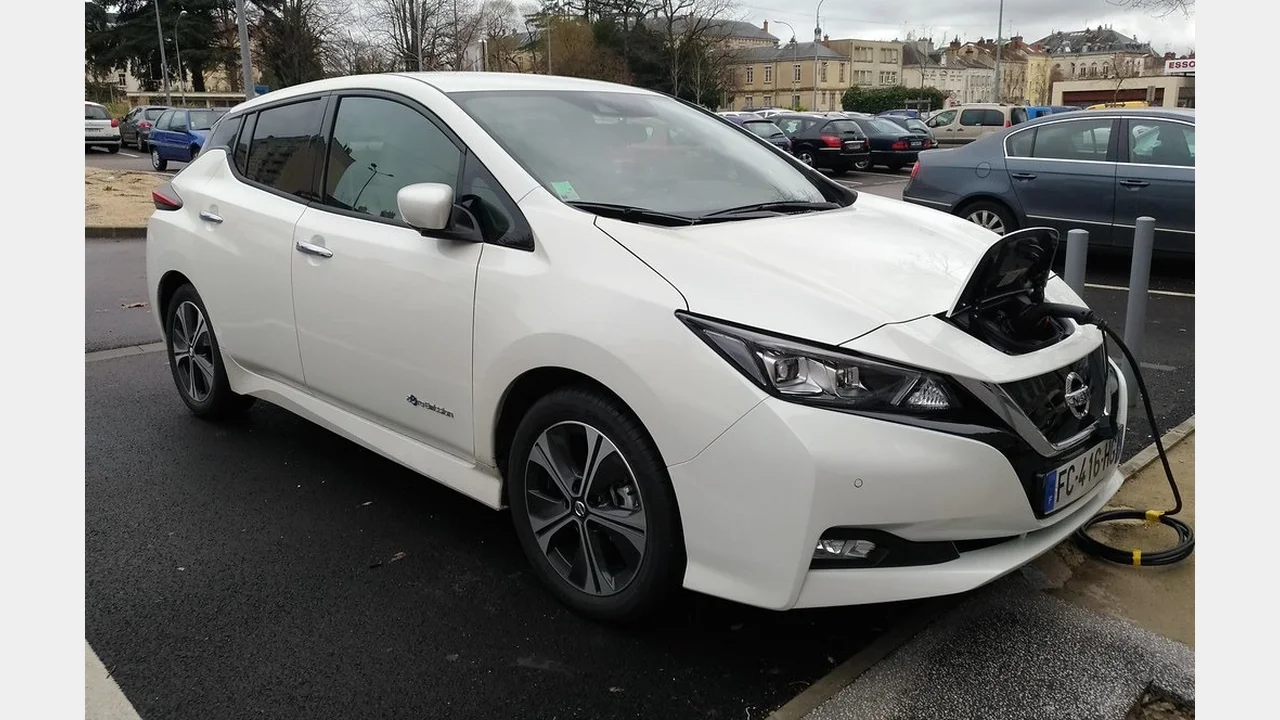
The Nissan Leaf car occupies a distinct place among electric vehicles because it made everyday battery-electric motoring familiar to US drivers. When a shopper asks for an overview, the useful answer goes beyond naming a hatchback: it means comparing model generation, body style, trim level, and market specification so the right used example or new configuration is understood. Approaching the Leaf this way helps separate early electric-car compromises from later improvements without relying on unconfirmed figures, because evidence about a particular model year may not be available.
Essential answer
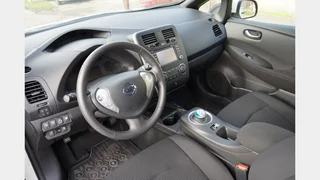
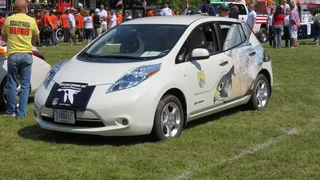
The essential answer is that the Nissan Leaf is a battery-electric compact hatchback sold as a mass-market alternative to combustion cars. Across its production history, the vehicle has appeared in different model generations and market specifications, so one Leaf may differ substantially from another in battery capacity, charging behavior, dashboard layout, and driver-assistance content. That scope matters: a shopper researching “nissan leaf car” may be seeing an early used example, a newer long-range variant, or a regional listing that does not match another trim exactly.
Understanding the subject therefore requires holding model year and trim level separate from general electric-car assumptions. Body style has remained recognizably a five-door hatchback, but powertrain configuration and onboard charging hardware have changed between generations. Without confirmed evidence for a specific car, the safe overview is to describe the Leaf as a front-wheel-drive battery-electric platform whose character depends on which generation and equipment group is being evaluated. That qualification prevents broad claims from being mistaken for exact specifications or model-specific facts.