Certified pre owned cars
What a certified pre-owned car is
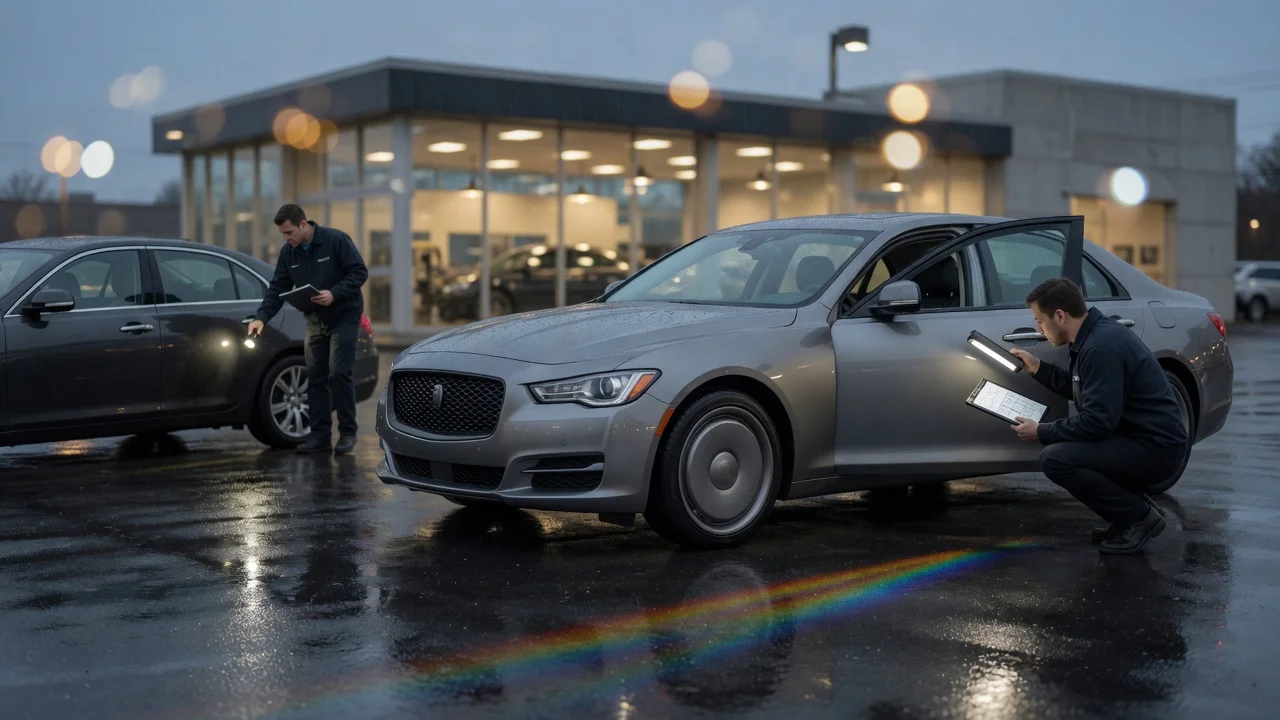
A certified pre-owned car, often shortened to CPO, is a used vehicle that a manufacturer or participating dealer has inspected, reconditioned to that program’s written standard, and sold with extra limited warranty coverage beyond a typical as-is used sale. The immediate point of CPO is extra screening and contractual coverage, not a new-car equivalent. Whether that package is worth choosing depends on the brand’s or dealer’s actual program rules, the car’s age, mileage and remaining factory warranty, and how the asking price compares with a similar non-certified example that would pass the same mechanical checks.
How certification differs from a regular used sale
A non-certified used car is sold in its current condition, sometimes with a short dealer guarantee and sometimes with none. Certification adds three things that an ordinary listing does not automatically include: a documented multi-point inspection, required repairs or replacements before delivery, and a time-and-mileage-limited warranty that sits on top of whatever factory coverage remains. Title status, accident history and eligibility still matter. Certification does not rewrite a vehicle’s past; it only states that the car met that program’s entry rules and current mechanical standard on the inspection date.
Manufacturer programs versus dealer-only certification
Manufacturer CPO programs are written by the automaker, usually sold through franchised dealers of that brand, and typically include a published inspection checklist plus warranty terms that are consistent across participating stores. Dealer-only certification is a store or group label. It can still involve a real inspection and a service contract, but the standard, the warranty issuer and the claims process are those of the dealer or a third-party administrator, not the automaker. The material condition that changes the answer is which name is on the warranty and the inspection form. If the coverage is not backed by the vehicle’s manufacturer, treat it as a dealer-backed used-car package and read the contract as you would any service agreement.
Typical eligibility and what usually is covered
Most CPO programs limit intake to late-model vehicles under a maximum age and odometer reading, with a clean or otherwise acceptable title and no disqualifying damage history. Exact cutoffs, excluded brands of prior use, and flood or salvage rules vary by program and by market, so the listing or dealer must confirm eligibility for that vehicle identification number. Inspection checklists commonly cover major systems: engine, transmission or dual-clutch unit, driveline, brakes, steering, suspension, electrical systems, climate control, safety equipment and visible body and underbody condition. Reconditioning may include fluids, filters, wear items that fail the checklist, software updates and cosmetic work needed to meet the program’s appearance standard.
Warranty language also varies. Some programs extend bumper-to-bumper style coverage for a stated term after the original factory coverage ends; others emphasize powertrain coverage, with separate terms for the rest of the vehicle. Deductibles, required use of authorized shops, parts rules, towing and rental-car benefits, and whether the warranty transfers to a later private buyer are all contract details. Wear items such as tires, brake pads, wiper blades and interior trim are often excluded or limited. Those exclusions are a common gap between the marketing phrase “certified” and the repair bills a later owner can still face.
What certification does not promise
CPO is not a guarantee that the car was never in a collision, never used as a rental or fleet vehicle, or never had a prior owner who skipped maintenance. It is not a substitute for a vehicle history report, a current inspection you commission, or a test drive that includes highway speeds, low-speed parking maneuvers and a cold start when you can arrange one. It also does not freeze future repair costs outside the warranty’s listed components and term. Software modules, dual-clutch clutch packs, air-suspension parts, hybrid battery assemblies and advanced driver-assistance sensors can be expensive; whether they are in coverage depends on that program’s schedule, not on the word certified.
When a CPO car is a reasonable next step
CPO is most useful when you want a late-model used vehicle, you value a documented inspection and a claims path at franchised dealers, and the extra price is mainly paying for remaining or extended coverage you would otherwise buy as a service contract or self-insure. It is also useful when the model has known repair patterns that fall inside typical CPO powertrain or component lists, provided you confirm those parts are actually covered. Shoppers comparing new and used inventory often land on CPO when they want to avoid new-car depreciation while keeping a warranty window that a private-party used car may not offer.
When a regular used car can be the better choice
A well-inspected non-certified car can be the better buy when factory warranty is already gone or nearly gone, the CPO premium is large relative to the extra coverage, or the specific car you want is ineligible for certification because of age, mileage or title branding. Independent shops and pre-purchase inspections can catch the same mechanical issues a dealer checklist targets. If you are comfortable arranging that inspection, negotiating from comparable local listings, and holding a cash reserve for unplanned repairs, skipping certification can be a sound ownership trade-off. The condition that reverses this is a CPO package whose warranty term, deductible and covered components clearly offset the extra amount asked.
How to search without treating every used listing as certified
Used-car search tools, dealer lots and local “for sale” inventories mix new, CPO and ordinary used stock in the same results. Filter or ask explicitly for manufacturer-certified inventory, then verify the program name on the window label and in the buyer’s order. A car advertised as inspected, reconditioned or “certified by our shop” is not automatically enrolled in the automaker’s CPO program. Compare the same trim, model year, powertrain and options across CPO and non-CPO listings so the price gap is visible. Mileage, remaining factory warranty, accident records and service history should be matched as closely as the market allows; unresolved differences in those items outweigh a certification badge.
Checks to complete before you commit
Confirm whether the certification is the manufacturer program or a dealer-only label, and get the warranty booklet or contract, not a summary flyer. Match the vehicle to the program’s current age, mileage, title and damage-history rules for that market. Read what is covered, what is excluded, the deductible, authorized repair locations and whether coverage transfers on resale. Review the inspection checklist for that vehicle, including any failed items and the repairs completed before delivery. Pull a history report and compare it with the inspection notes; ask about prior commercial, rental or salvage use if the report is unclear. Have an independent inspection if anything in the history, test drive or checklist is unresolved, even on a CPO car. Price the same specification without certification so you can judge the premium against the extra warranty term you would actually use.
Ownership trade-offs after purchase
CPO ownership still requires ordinary maintenance on the manufacturer’s schedule. Skipping services can affect both remaining factory coverage and the CPO warranty. Keep records of oil changes, brake work and software updates, and use the claims process described in the contract rather than assuming any franchised store will automatically approve a repair. If you sell the car privately before the extra warranty expires, transfer rules determine whether the next buyer inherits that coverage and therefore part of the residual value. Those transfer rules are program-specific and should be treated as unknown until you read them.
A practical way to decide
Start from the vehicle you actually want: model year, trim, engine or electric powertrain, drivetrain and must-have equipment. Then ask whether a certified example of that specification is available, what the inspection and warranty add in writing, and what a comparable non-certified car costs after a paid inspection. Choose CPO when the documented coverage and dealer claims path are worth the premium for that car. Choose a regular used example when the premium buys little extra protection or when eligibility, exclusions or a weak dealer-only certificate leave the risk with you. If the listing cannot produce the program name, the checklist and the warranty terms, it is not yet a certified offer you can evaluate.