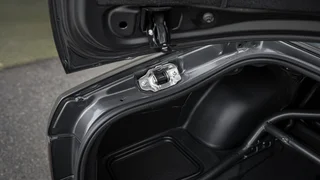
Carbon fiber race car parts

Choosing carbon fiber race car parts means weighing weight savings, panel stiffness, and installation reality against cost and intended use. The same material that reduces rotating and unsprung mass can also expose fitment, surface preparation, and durability problems if a buyer ignores mounting details. This guide gives a direct answer for racers and builders considering carbon fiber sprint car parts or general race bodywork, then explains what matters before purchase.
The direct answer
Carbon fiber race car parts are worth considering when the primary goal is lower mass with high panel rigidity, and when the buyer is prepared to verify part fitment, attachment points, and finish compatibility before installation. For sprint car use, lightweight carbon fiber panels can trim body weight and reduce stress on mounting tabs, but only if each panel is designed for the specific chassis and clearance envelope rather than sold as a universal cosmetic upgrade.
A sensible next step is to compare the substrate material, panel clearance, and available attachment points on the vehicle before ordering. Carbon fiber does not tolerate careless drilling or forced alignment the way some flexible body materials do. Buyers should also confirm whether the surface is ready for paint, vinyl, or clear coat adhesion. Without that check, a race part can arrive light and strong but remain difficult to mount or finish properly.
The purchase decision also depends on how the part is used. A reinforced structural panel may justify its higher price, while a thin cosmetic cover may only save a small amount of weight. For drivers building a car for competition classes with material restrictions, rule compliance can be as important as the part itself. In those cases, the best purchase is one that fits the chassis and passes technical inspection without extra fabrication.
Because exact specifications vary widely among suppliers, a buyer should ask for the mounting layout and intended chassis application rather than assume interchangeable race bodywork. Carbon fiber sprint car parts often replace a specific nose, hood, side panel, or tail section, and small differences in curvature can create interference with nearby suspension or steering components. Confirming those dimensions before purchase prevents an expensive part from becoming an unusable shelf item.