Caravan Wheel Clamps: What to Check Before You Buy

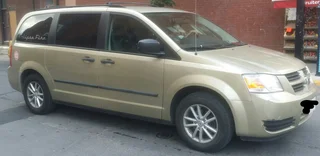
A wheel clamp is a good first layer of security for a parked caravan, but only if it fits your specific wheel and tire closely and stops the wheel from being removed. A clamp that fits loosely, or that leaves the wheel nuts exposed, can be defeated far more easily than one that wraps the wheel snugly and shields the fastenings. Fit is the deciding factor. A heavy steel clamp that does not match your wheel size and tire width offers much less protection than its build suggests. A note on terms: in the US, what is called a caravan elsewhere is usually a travel trailer, camper or RV trailer. The principles below apply to any towed living unit with standard road wheels. They are not about clamping a passenger minivan sold under a Caravan name, which is a different use.
What a Wheel Clamp Does and Does Not Do
A wheel clamp is a mechanical anti-theft device. It locks onto a wheel so the wheel cannot turn freely, which makes the caravan very hard to tow away. A large, brightly colored clamp also acts as a visible deterrent: a thief can see from a distance that this unit will take time and noise to move.
A clamp does not secure the hitch, the door or the contents. It is meant to make theft slower and more conspicuous, not impossible. For that reason, a clamp is usually paired with a hitch lock and, where practical, a tracking device or secure storage.
Fit: The Most Important Check
Clamps are designed around particular ranges of wheel diameter and tire width, and some are made for specific caravan models. Before you shop, record the following for your caravan:
Wheel diameter, read from the tire sidewall (the number after the letter R in the size code); Tire width and sidewall profile, also from the sidewall size code; Wheel type: steel or alloy, and the style and position of the wheel nuts; Clearance between the tire and the wheel arch, fender, skirt or any trim that could block the clamp; Number of axles: on a twin-axle caravan, the clamp has to fit around the neighboring wheel
Compare these details with the manufacturer's compatibility information for any clamp you are considering. If the maker lists specific caravan makes, models and model years, check that your exact unit is covered. Wheels and tires may have been changed since the caravan was built, so check what is actually fitted rather than relying only on the original specification. If your setup sits between listed sizes or is not listed at all, contact the maker before buying.
Universal vs. Model-Specific Clamps
Type | How it fits | Trade-off; Universal or adjustable | Adjusts to a range of wheel and tire sizes | Flexible, and can move to another caravan, but may leave gaps that give an attacker leverage; Model-specific or wheel-specific | Shaped to a particular wheel and tire combination | Closer fit and better coverage of the wheel nuts, but may not fit if you change wheels or caravans
Either type can be suitable. The test is how tightly the clamp grips your wheel once it is fitted, and whether it blocks access to the wheel nuts.
Wheel Nut Coverage
One common weakness is a clamp that grips the tire but leaves the wheel nuts reachable. A thief can then remove the wheel, clamp and all, and fit a spare. Designs that cover the nuts, or that sit over the hub area, close this gap. Also check whether letting air out of the tire would loosen the clamp enough to slip it off. A design that holds the wheel rim itself, rather than only the tire, is less exposed to this.
Steel Construction and Steel Wheels
A search for a caravan steel wheel clamp can mean one of two things.
A clamp made of steel: solid steel construction resists cutting and bending better than lighter materials. Look at the thickness of the arms and body and how well the joints and hinges are protected, not just the material name. A clamp for steel wheels: steel wheels often have different nut positions and rim profiles from alloys. Confirm that the clamp's contact points and nut cover suit a steel wheel.
On alloy wheels, look for protective padding or coating where the clamp touches the rim, so the finish is not scratched.
The Lock
The lock is often the point of attack. Check:
Whether the lock body is shielded from drilling, picking and prying; Whether the clamp comes with more than one key, and how replacement keys are supplied; Whether the lock is protected against dirt and water, since it may stay outdoors for long periods
Practical Ownership Points
Weight and bulk: a sturdy clamp can be heavy. Consider where it will travel and how its weight counts toward your payload. Ease of fitting: a clamp that is awkward to fit is more likely to be left off for short stops. Corrosion resistance: check the finish if the clamp will be used in wet, coastal or salted-road conditions. Visibility: a bright color increases the deterrent effect.
Insurance and Storage Requirements
Some insurers and storage facilities set security conditions for caravans, and these can include specific device types or independent security ratings. Requirements vary by provider and policy. Check your policy wording or ask your insurer and storage operator before you buy, so the clamp you choose meets any stated condition.
Gaps in This Guide
No verified product data was available for this guide. It does not include prices, named models, test results, specific security ratings or size charts. Use the checks above to compare products, and rely on the manufacturer's compatibility information and your insurer's requirements for the specifics of your caravan.
Quick Checklist
Confirm the wheel diameter, tire size, wheel type and arch clearance on your caravan as it is now fitted; Check that the clamp is listed for that wheel and tire combination, or for your caravan model and year; Make sure the clamp covers or blocks the wheel nuts; Check the lock's protection and key arrangements; Look for padding if you have alloy wheels; Check any insurer or storage security conditions; Plan to use the clamp alongside a hitch lock