Car subwoofer mounting brackets
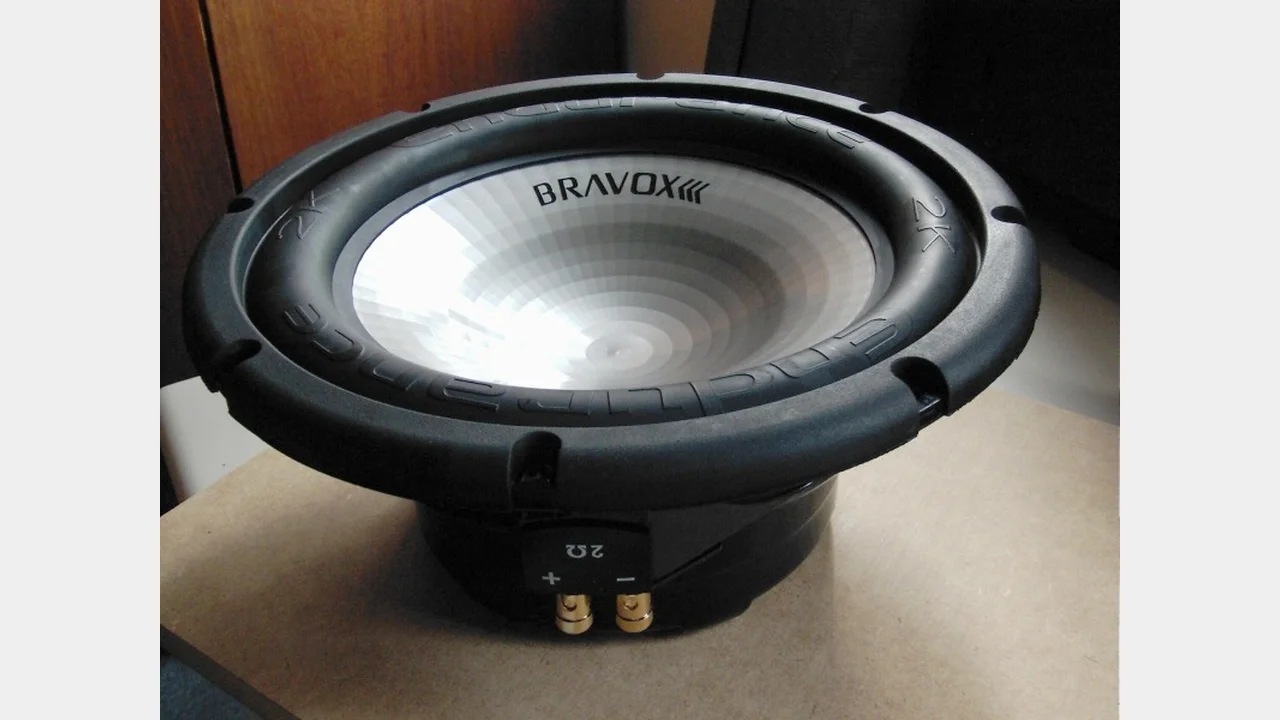
Choosing subwoofer mounting brackets for a car is easier once you separate the bracket's job from the subwoofer's job. The bracket must hold the speaker securely, resist vibration, and position the driver so the enclosure path and vehicle panels work together instead of buzzing. A weaker or poorly shaped bracket can turn strong bass energy into mechanical noise, loose mounting hardware, or damage to nearby trim. This matters whether you are refreshing a factory location, adding a compact powered unit, or installing a larger driver in a custom baffle. Matching the bracket to the enclosure type, mounting surface, and expected cone movement helps produce cleaner output without chasing rattles after every drive.
The direct answer
The right subwoofer mounting brackets for a car are brackets whose hole pattern, depth allowance, opening diameter, and material stiffness match the driver and the surface that will carry it. In most installations the bracket is not a universal adapter; it is a load-bearing flange, ring, or strap system that lets mounting screws clamp the subwoofer basket without concentrating stress into thin plastic or sheet metal. A useful commercial choice should normally fit the cutout and screw circle already present, or allow a new baffle to be reinforced cleanly. If a bracket is too flexible, the subwoofer can rock under excursion and transfer that motion into the panel, creating the buzz many owners blame on the speaker.
You should also consider the mounting orientation and whether the subwoofer is front-loaded or rear-loaded. A bracket that works on a flat vertical enclosure wall may not suit a corner-loaded trunk baffle or an under-seat location with limited clearance. Because the head unit and speaker wiring define the audio signal, while the bracket defines only mechanical retention, buyers benefit most from checking three details before purchase: the cutout diameter, the screw spacing, and the total height added behind or in front of the panel. Vehicle integration often introduces uneven surfaces, so an otherwise correct bracket may need spacer rings, but the spacer should not make the cone hit a seat frame or trim grille.