Car Importation Rules in Kenya: Eligibility, Inspection, Taxes and Clearance Explained
Importing a car into Kenya is a regulated, multi-step process. Before a vehicle is shipped, it has to meet Kenyan eligibility standards, mainly on age, steering position and roadworthiness. On arrival, it must clear customs with the correct documents and duties paid. It must then be registered for road use. This guide explains how those rules fit together so you can judge whether a particular vehicle is worth pursuing and what to prepare.
The Short Answer
Kenya allows private individuals and dealers to import used and new vehicles, with conditions. A used vehicle must be right-hand drive. It must fall within the age limit set by the Kenya Bureau of Standards (KEBS), which has long been eight years. It must pass a pre-shipment roadworthiness inspection in the exporting country. After that, the importer lodges documents with the Kenya Revenue Authority (KRA), usually through a licensed clearing agent, pays the applicable taxes, and registers the car with the National Transport and Safety Authority (NTSA).
The main qualification is that these rules change. Tax rates, inspection arrangements and fee schedules are revised from time to time. Treat the principles below as a framework, and confirm current figures with KRA, KEBS or a licensed clearing agent before you buy a vehicle abroad.
Vehicle Eligibility: What Can Be Imported
Eligibility is the first filter. A car that fails these requirements may be refused entry or face costly complications at the port, so check them before you pay a seller.
Age limit: used vehicles are subject to a maximum age under the Kenyan standard for road vehicle inspection. The limit has long been set at eight years and is generally counted from the year of first registration. A vehicle that will exceed the limit by the time it arrives can be refused, so allow for shipping time. Right-hand drive: Kenya drives on the left. Left-hand drive vehicles are generally not permitted for ordinary private import. Narrow exceptions apply to certain specialised, diplomatic or special-purpose vehicles. Roadworthiness: the vehicle must be in sound mechanical and structural condition. It must have no serious accident damage, corrosion or defects that would make it unsafe. Identity and history: the chassis or VIN number, engine number and documents must match. Signs of odometer tampering or inconsistent records can cause rejection.
Pre-Shipment Inspection, Safety Standards and Emissions Compliance
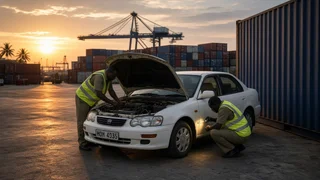
Used vehicles bound for Kenya are inspected in the exporting country before shipment. KEBS appoints inspection agencies to carry out these checks against the Kenyan standard for used road vehicles. A vehicle that passes receives a certificate of roadworthiness. You need this certificate for customs clearance.
The inspection is a combined check of safety standards and condition. It typically covers several areas:
Structural integrity; Brakes, steering and suspension; Lighting; Tyres; Body condition; Verification of the vehicle's identity and age
Emissions compliance is part of the broader condition assessment. A vehicle with obvious exhaust or engine faults is unlikely to pass. Requirements can be updated, so ask the inspection agent or your supplier what the inspection currently covers.
Market specification matters here too. Most used imports come from right-hand-drive markets such as Japan, the United Kingdom, Singapore and South Africa. Vehicles built for those markets usually suit Kenyan steering and lighting requirements. Some models also differ by market in fuel quality tolerance, emissions equipment, or parts availability. A car built for one market may need adjustments or be harder to service locally.
Import Documentation
Customs clearance depends on a complete, consistent document set. The exact list can vary with the importer's status and the vehicle. A private used-car import commonly involves the following:
Original bill of lading issued by the shipping line; Commercial invoice or purchase receipt showing the price paid; Original export or deregistration certificate, or logbook, from the country of origin; Certificate of roadworthiness from the KEBS-appointed pre-shipment inspection; Import Declaration Form (IDF), lodged before the vehicle arrives; The importer's KRA PIN and national ID or passport; Any exemption documents, if you are claiming a concession such as returning resident status
Names, chassis numbers and dates must match across all documents. Mismatches are a common cause of delays and storage charges at the port.
Customs Clearance and Taxes
Most vehicles arrive through the Port of Mombasa. Some are moved inland to container freight stations or dry ports before clearance. Clearance is handled through KRA's electronic customs system, and most importers use a KRA-licensed clearing agent to lodge the entry and handle verification.
Several charges make up the tax bill. Each has its own basis of calculation:
Charge | What it is | How it is generally determined; Import duty | Customs duty on the vehicle | A percentage of the customs value; Excise duty | A tax that varies by vehicle type and engine size | Higher rates usually apply to larger engines; Value Added Tax (VAT) | Consumption tax | Applied on top of the value plus import and excise duty; Import Declaration Fee (IDF fee) | Processing levy on imports | A percentage of the customs value; Railway Development Levy | Infrastructure levy on imports | A percentage of the customs value
KRA does not simply accept the price on your invoice. Customs value is based on KRA's assessment of the vehicle's current retail value, adjusted for depreciation by age. Because the taxes compound and the value is assessed by KRA, two cars with similar purchase prices can carry very different tax bills. Ask a clearing agent for an estimate on the specific make, model, year and engine size before you commit.
Registration After Clearance
Once duties are paid and the vehicle is released, it is registered with NTSA. The car receives Kenyan number plates and a logbook in the owner's name. After that, it needs valid insurance before it can be driven legally. Clearing agents often handle registration as part of their service.
Special Cases
Returning residents: Kenyans returning after living abroad may qualify for duty concessions on a personal vehicle, subject to conditions on residence period, ownership and use. These conditions should be confirmed with KRA. Diplomats and privileged persons: separate rules and exemptions apply. New vehicles: new cars avoid the used-vehicle age problem but still go through customs clearance, taxation and registration. Commercial and specialised vehicles: trucks, buses and special-purpose vehicles may face different standards or permits.
Practical Checklist Before You Buy Abroad
Confirm the vehicle's year of first registration and that it will be within the age limit on arrival. Make sure it is right-hand drive. Buy from an exporter familiar with Kenyan pre-shipment inspection. Get a tax estimate from a licensed clearing agent based on KRA's current valuation. Check parts and service availability for that model and market specification in Kenya. Keep every original document and check that the details match before shipping.
Bottom Line
Kenya's car import rules rest on three gates:
Eligibility before shipment: age, right-hand drive and roadworthiness; Customs clearance on arrival: documents and taxes; NTSA registration before road use
The most expensive mistakes usually happen before purchase, such as buying a car that is too old, mis-documented or more heavily taxed than expected. Check eligibility and get a realistic tax estimate first, then proceed with shipping.