Car dashboard tray
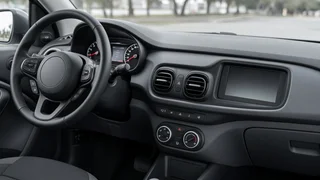
A car dashboard tray can solve the frustration of loose phones, sunglasses and cables sliding across the instrument panel during everyday driving. The right auto tray keeps small items within reach without blocking your view of warning indicators or the operating status display. Because dashboard contours and materials vary widely, fit and retention matter more than a universal promise. The following guidance explains how to evaluate a dashboard tray for your car so it stays stable, avoids glare and scratch damage, and complements the existing interior instead of creating a distraction or obstructing controls.
The direct answer
Choose a car dashboard tray primarily by how it attaches and whether that method suits the dashboard texture and slope. Flat trays with a tacky or weighted base often rest securely on smoother surfaces, while contoured or recessed areas may call for an adhesive pad or a tray shaped to bridge a specific depression. Look closely at the contact surface because an uneven grain, curvature or stitched vinyl seam can prevent full base engagement. The immediate question is not one universal best model, but which retention design stays put during acceleration and cornering without requiring permanent modification.
Also verify that the installed tray does not hide the instrument cluster, center screen or warning indicator, and does not intersect the passenger airbag path. A deep lip helps hold items during braking, but a tall rim at eye level can create distracting reflections on the windshield. Before buying, visualize the tray in the parked and driving positions, noting whether your phone or sunglasses would sit below the sightline. If the dash shape is steep or unusually narrow, a smaller auto organizer may be the practical choice. Condition matters: a tray that fits only when empty has limited value, while one that remains stable loaded is genuinely useful.