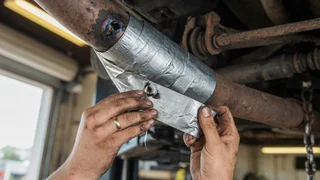
Car dashboard tape
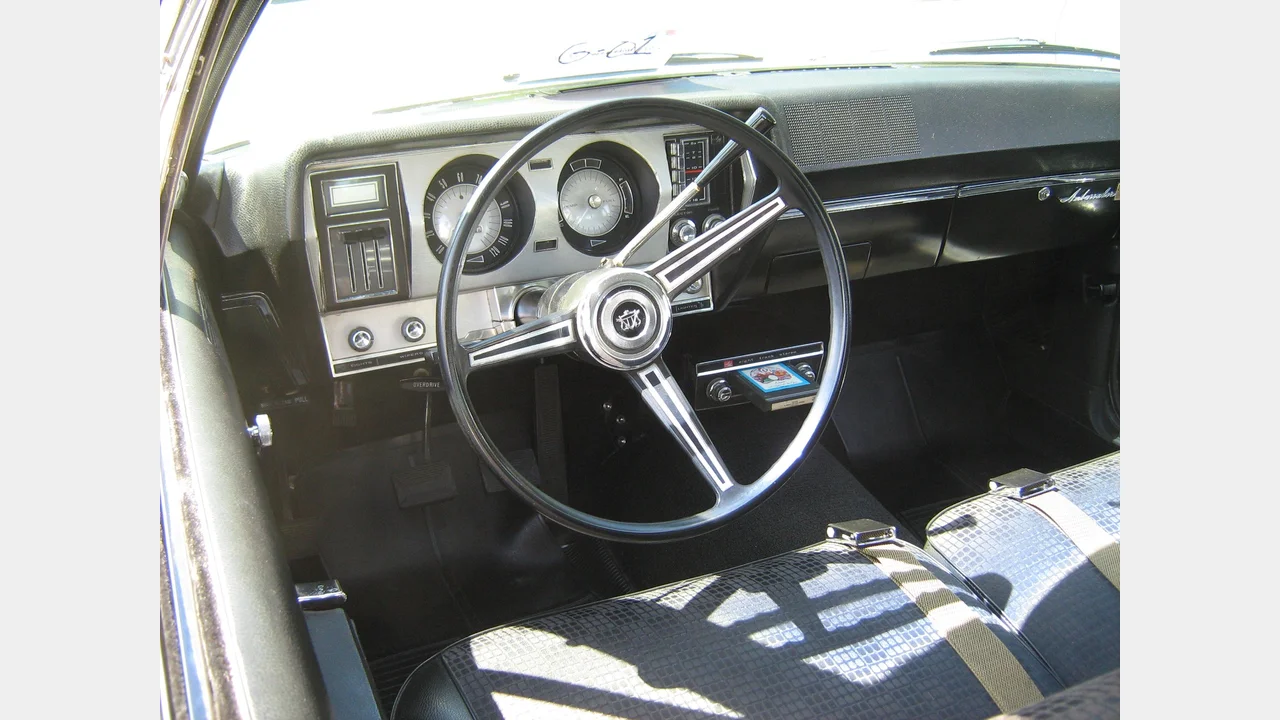
Choosing car dashboard tape is a practical fix when a trim piece rattles, a dash camera mount slides, or wiring needs a tidy route across the instrument cluster. The right adhesive keeps accessories visible and controls unobstructed without leaving a sticky mess or melting in summer heat. This guide explains what to look for in a tape product, how material and surface condition affect the bond, and why a warning indicator or display message on the panel should be addressed before covering anything. A thoughtful selection supports clean installation and avoids damage during removal.
The direct answer
For most interior jobs, choose a double-sided acrylic foam or gel tape labeled for automotive trim and high-temperature use. These products hold moderate weight, conform slightly to curved surfaces, and resist the heat that builds inside a closed cabin. If the surface is smooth, clean plastic, the bond is straightforward. A textured or low-energy dash material usually benefits from an adhesion promoter or a tape with a more aggressive adhesive. The condition that materially changes the choice is exposure: a mount holding a phone or camera needs more holding power than a trim strip that only secures loose wiring.
Before applying any tape, read the owner manual or observe the operating status of the cluster. A warning indicator or display message may signal an underlying fault that should be diagnosed rather than hidden. The tape should sit below sightlines, never across airbag seams, vents, or controls. Select a width close to the part being secured, trim it neatly, and press firmly for full contact. Heat resistance matters because dashboard temperatures can exceed cabin air temperature, softening ordinary adhesives and causing a mount to creep or release.