Car dashboard displays and warning lights
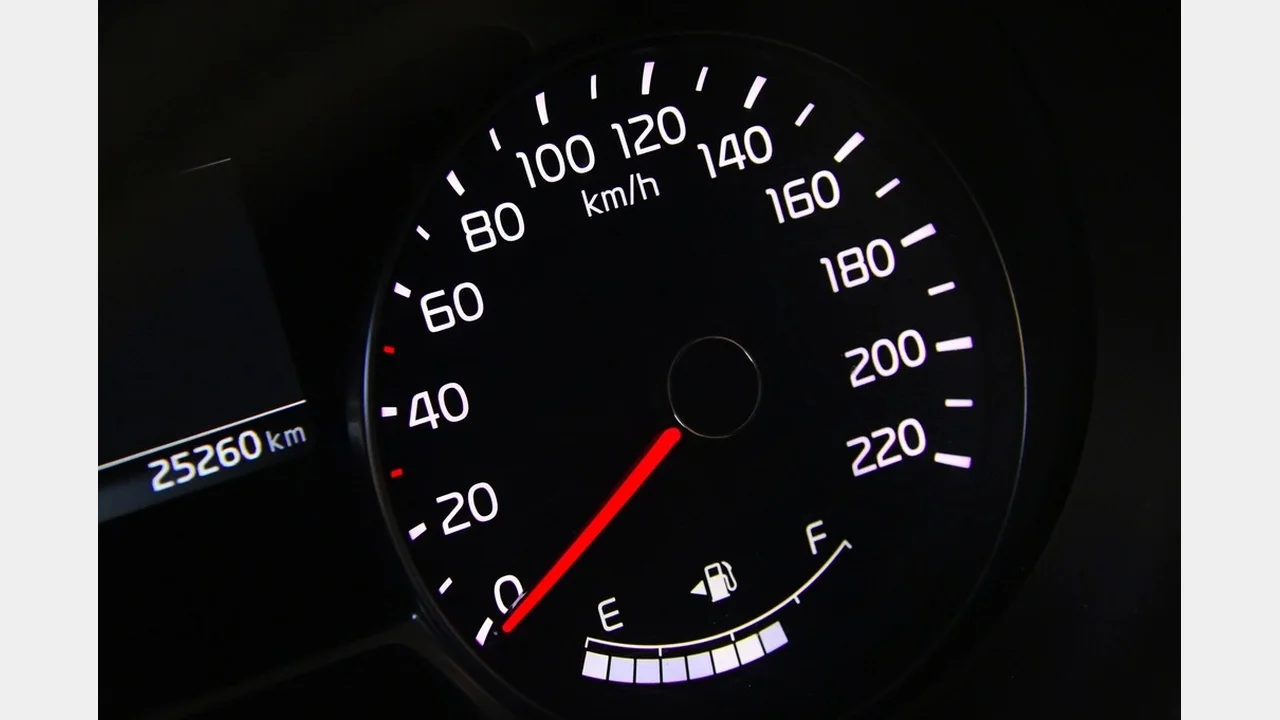
A car dashboard is the driver’s main view of vehicle information, combining speed, engine status, fuel level, and warning indicators in one place. Modern designs often use an LCD car dashboard or configurable instrument cluster to show a mileage on dashboard readout, trip data, and display messages. Understanding the inside of a car dashboard helps owners recognize normal operating status and respond correctly when a warning indicator illuminates. On vehicles such as a Honda car dashboard layout, symbols and colors follow broadly similar logic, but the owner manual remains the specific reference for model-dependent meanings.
Essential answer
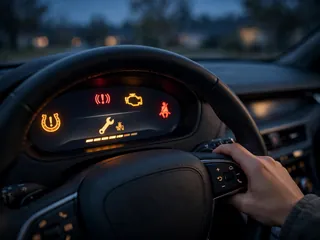
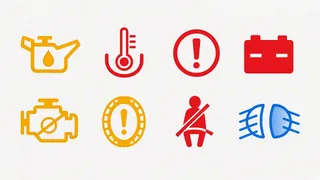
The essential answer is that dashboard displays and warning lights form a vehicle’s primary driver information interface. The instrument cluster presents real-time operating status through analog gauges, digital panels, or a reconfigurable LCD car dashboard. Color-coded warning indicators separate urgent failures from informational notices. A red light typically signals an immediate safety or mechanical concern, while amber or yellow indicates a condition needing prompt attention. Blue and green lights usually confirm that a system such as high beams or cruise control is active, not malfunctioning.
A mileage on dashboard display is a permanent odometer record of total vehicle travel, and it is not a maintenance schedule by itself. The inside of a car dashboard also houses modules that run a brief diagnostic check at startup. Many lights illuminate momentarily during this self-test and then turn off. Module 10 topic 1 vehicle warning systems content often describes this lamp-prove-out sequence as a way to confirm that warning circuits are working. Persistent illumination after startup means the system is reporting an active or stored condition.
Diagnosing a problem
When a warning indicator stays on, the first useful step is to observe what the light is telling you rather than assume a failed part. A check engine light can reflect anything from a loose fuel cap to an emissions-related sensor value outside expected range. Treat a fault code as evidence to investigate, not proof that a particular component has failed. Note whether the light is steady or flashing, and whether it appears alongside reduced power, rough running, overheating, or abnormal gauge readings. These accompanying symptoms help separate an emissions concern from a drivability fault.
For a Honda car dashboard or any other manufacturer-specific layout, the owner manual is the correct source for exact symbol definitions and recommended responses. A generic description may not match a vehicle-specific display message. If a red oil pressure, brake, or coolant temperature warning appears while driving, the safest response is to reduce speed, stop when conditions allow, and shut the engine off before checking fluid levels or calling for professional diagnosis. A flashing malfunction indicator or a high-temperature warning with steam or coolant loss generally means continued operation risks engine damage.