Car commercials in Japan
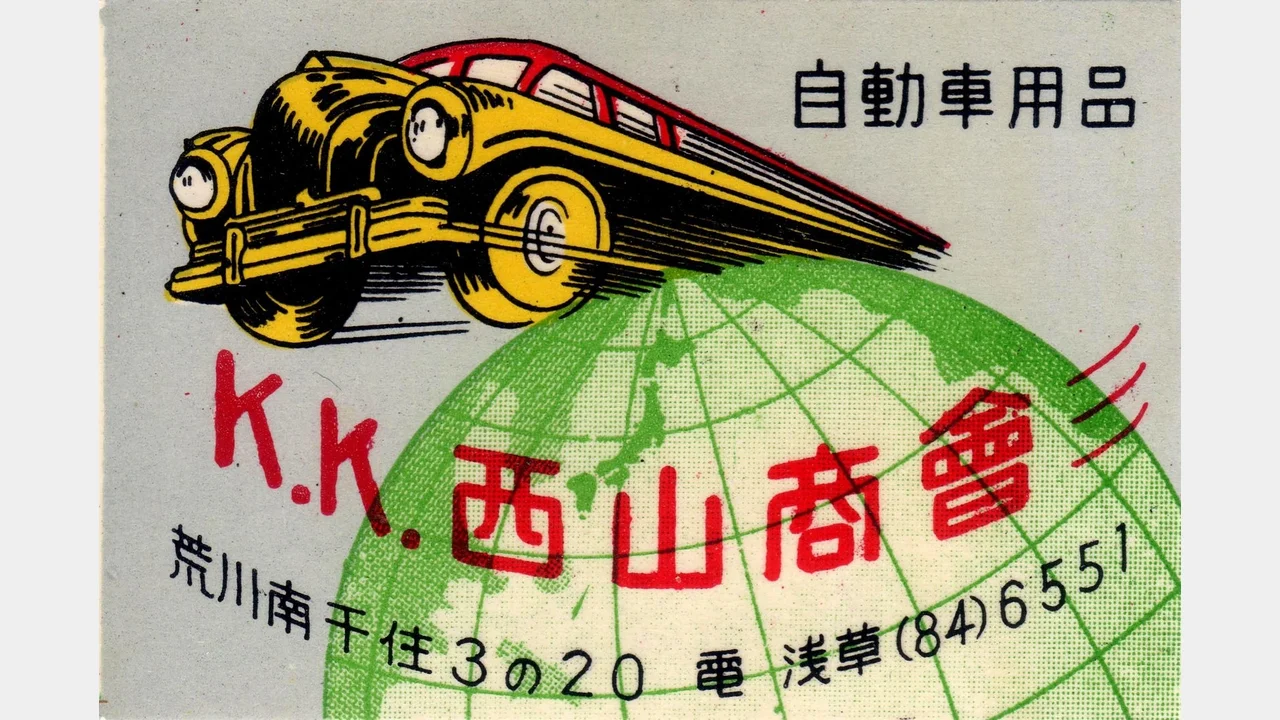
Car commercials in Japan form a distinct advertising genre shaped by dense urban streets, compact body configurations, and a national road culture that values refinement and technology. Unlike many US spots that emphasize raw power or open highways, Japanese ads often place the vehicle within a broader lifestyle, showing how a model year, market segment, or equipment level fits daily routines. These commercials are studied by auto enthusiasts and marketers because they reveal regional availability, powertrain options, and visual storytelling conventions that differ from Western campaigns.
Essential answer
The essential answer is that Japanese car commercials are promotional films and television spots produced for the domestic market, and they typically foreground the vehicle as part of a curated social and spatial environment. A viewer sees the car moving through narrow city corridors, parked near modern architecture, or arriving at a scenic coastal road. The framing usually keeps the front fascia, silhouette, and interior details visible long enough to communicate the intended equipment level, while the narration or on-screen text reinforces a particular model year and body configuration without listing every specification.
The subject’s scope also includes regional product positioning. Because the same manufacturer may sell a different range of powertrain options and market segments in Japan than in North America, the commercials often highlight kei cars, hybrid drivelines, or minivan-oriented family packages that have limited regional availability elsewhere. Recognizing this helps a researcher avoid interpreting one Japanese advertisement as a global statement about a nameplate. Instead, each spot is a localized message that connects a specific vehicle’s character to Japanese mobility patterns, aesthetic preferences, and the emotional tone favored by domestic viewers.