Car body repair jack
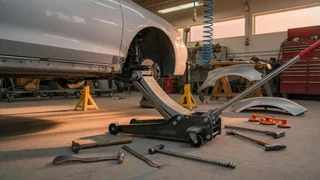
Choosing a car body repair jack means matching the lifting tool to panel shapes, working height, and the force needed without damaging the metal. A hydraulic body jack, pump-up post, or push beam can position a damaged quarter panel, rocker section, or door skin, but the repair method depends on substrate material and panel alignment. Shop use favors strong, stable equipment, while a portable unit suits driveway dent work. This guide explains what to check before purchase.
The direct answer
A car body repair jack is a specialized pushing or spreading tool, not a standard floor jack for lifting the vehicle. In bodywork it applies controlled force against braces, frame rails, or adjacent panels to move sheet metal back toward its original contour. Choose a model rated for the load expected from the metal being worked. Thinner outer panels require less force but more control, while stubborn structural areas may need a longer handle or hydraulic assist.
The right purchase depends on the access space and the panel you intend to correct. A short pump-up jack with rubber feet can work inside a door opening, while a long-ram body jack or porto-power style kit reaches from rocker to roof structure. Surface preparation and coating compatibility matter because the tool’s contact pads sit against painted or primed metal. Padded attachments reduce the chance of stretching the panel or cutting through corrosion protection during the push.
Understanding a problem
When a panel is pushed with a repair jack, misalignment usually comes from force direction, contact point choice, or stored stress in surrounding metal. If the panel springs back after pressure, the substrate material and its work-hardened zones may need more travel or a slightly different angle. A dull thump and little movement can mean the jack is bracing against an unreinforced area, so the load is flexing the surrounding structure instead of moving the damaged spot.
Check the setup before increasing force. Confirm that the base sits on a solid reference point and that the ram lines up with the crush or buckle path. Watch for sudden oil bypass on a hydraulic body jack, which can indicate an internal seal issue rather than a problem with the panel. Because manufacturer-dependent designs vary, verify the pressure rating and repair method for the specific tool. Stop pushing if a surrounding seam begins to separate or the coating cracks beyond the repair zone.