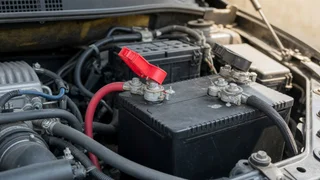
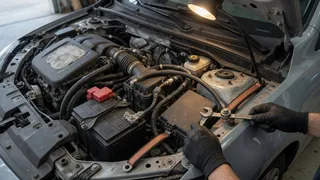
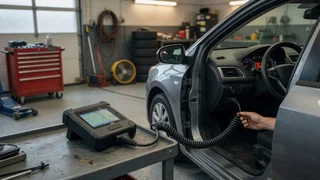
Car battery connection issues
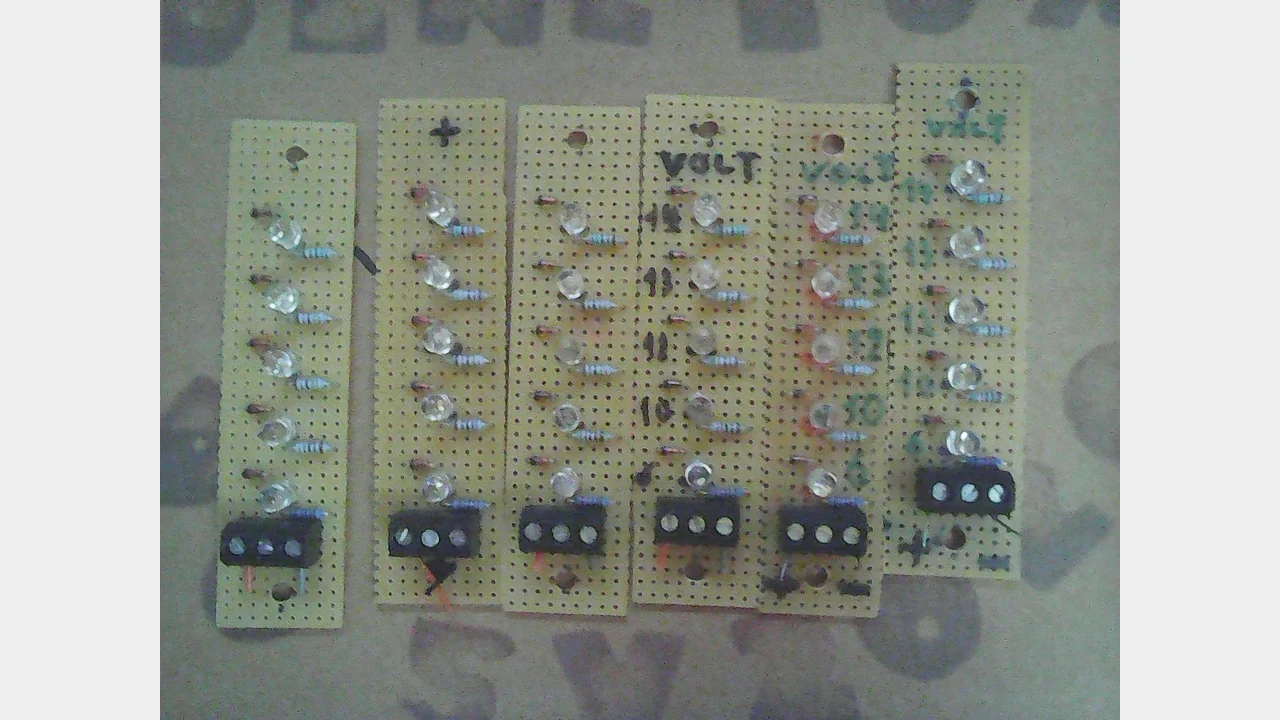
Car battery connection issues often hide in plain sight because terminal corrosion, loose clamps, or unseen voltage drop can mimic a dead alternator or failing starter. Understanding the connection path from post to cable lug helps isolate faults before replacing expensive components. System voltage readings are only meaningful when the battery terminals offer a clean, tight electrical contact; otherwise, charging output and cranking amperage become unreliable. A structured check of the clamp, cable, and ground path prevents misdiagnosis and unnecessary parts cost.
Essential answer
Car battery connection issues refer to any loss of electrical continuity or increased resistance at the points where the battery posts meet the cable clamps, or where the opposing cable ends attach to the starter, chassis, and engine block. The subject covers loose or corroded terminals, damaged cable strands, poor ground returns, and excessive parasitic draw caused by a weak connection. These faults often appear intermittent because heat, moisture, and vibration change the contact area moment by moment.
A practical approach begins by recognizing that a battery is only one link in a series circuit. If the system voltage at the posts reads normally but cranking still labors or the alternator output seems low at the fuse box, resistance in a clamp or cable is usually responsible. Interpreting a voltage drop across a suspect connection gives a far more useful diagnosis than a fault code alone, since many codes only report an expected voltage value that the computer could not verify.