Can-Am X3 Wastegate Actuator: Identification and Checks
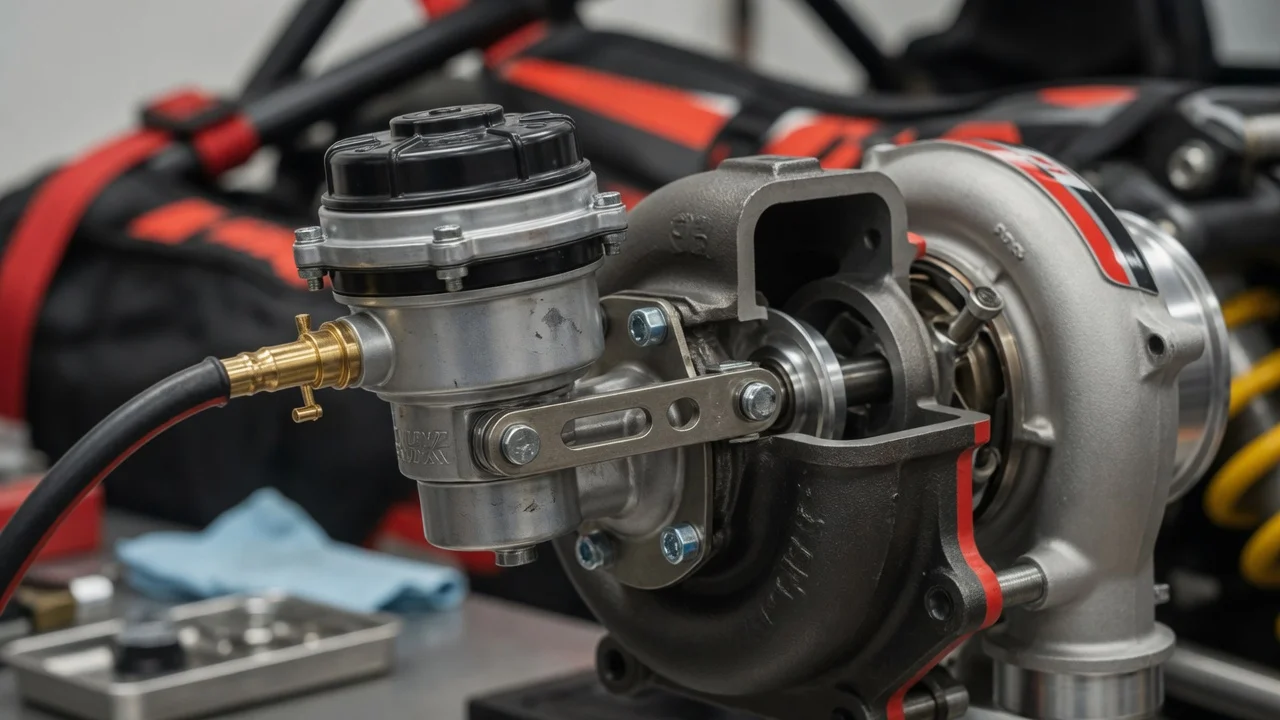
On a turbocharged Can-Am Maverick X3, the wastegate actuator helps limit boost by opening a passage that lets some exhaust gas bypass the turbine wheel. When it sticks, leaks or receives the wrong control signal, you may see power loss, erratic boost or warning lights. This guide covers how to record symptoms, separate the actuator from look-alike faults, order your checks and decide when to stop riding. Specifications that depend on your exact model year and trim are left to the service information for your machine.
Establish the symptoms
Start by writing down exactly when the problem shows up. Note whether it happens cold or only after the engine is fully hot, at part throttle or only at wide-open throttle, on long climbs, in deep sand, at high altitude or during sustained high-speed runs. A boost fault that appears only under heavy load points somewhere different from one that is present from the first pull. Record whether the loss of power is gradual, sudden, or comes and goes, and whether switching the key off and restarting clears it for a while.
List the associated signs as well. These include a check engine light, a reduced-power or limp mode message, an unusual boost reading if your display or an add-on gauge shows one, a new whistle, flutter or hiss, a rattle near the turbocharger, or smoke from the exhaust. Then add recent changes to the vehicle configuration, such as an ECU tune, exhaust or intake parts, clutch work, a deep water crossing, a pressure wash, a rock strike or any recent service. Keep these notes with the machine's service history. Together they narrow the search more than any single symptom.
Distinguish plausible causes
The Can-Am X3 wastegate actuator can fail mechanically. A torn or hardened diaphragm, a seized or bent rod, or a missing retaining clip can stop the wastegate from opening or closing as commanded. This explanation gains weight if the rod is visibly damaged, will not move freely, or the actuator cannot hold applied pressure. It loses weight when the actuator moves smoothly and holds pressure during a proper test, because the fault is then more likely elsewhere in the boost control path.
On many turbocharged X3 models, the engine control unit manages boost through a control solenoid and hoses that regulate the pressure reaching the actuator. The exact arrangement depends on model year and trim, so confirm it for your machine. A cracked or disconnected hose, a failing solenoid or a corroded connector can make a healthy actuator behave badly. Stored fault codes that refer to a circuit or solenoid support this branch. The wastegate valve inside the turbine housing can also bind from carbon or heat, and replacing the actuator will not fix that.
Several faults mimic a wastegate problem and can all feel like lost boost: • charge-air leaks at intercooler couplers or clamps; • a faulty boost or manifold pressure sensor; • a clogged air filter; • fuel delivery issues; • a slipping drive belt or worn clutch; Belt or clutch slip usually shows as engine speed rising without matching ground speed. An aftermarket tune may simply target different boost than stock. As a rough guide, overboost points toward a wastegate that is not opening, while low boost can come from a leak almost anywhere.
Checks in a useful order
Begin with observations that need no special skill. Park on level ground, switch the engine off and let the turbocharger and exhaust cool completely, because these parts stay hot long after a ride. If you have a compatible scan tool, read any stored fault codes. Inspect the air filter, then follow the charge-air path and look for loose clamps, split couplers, oil-wet joints or heat damage. At the actuator, check that the hoses are attached and uncracked, the electrical connector at the control solenoid is seated and clean, and the rod and its clip are intact.
The next step is a functional check of the actuator. Using a hand pump and gauge, you can apply regulated pressure to the actuator and watch whether the rod moves smoothly and the diaphragm holds pressure. The pressure to use and the expected rod travel come from the manufacturer specifications for your exact model, so do not guess them. Do not change the rod length or preload. It sets the point at which the wastegate begins to open, and an incorrect setting can cause overboost or poor performance.
Some tests belong with a qualified technician or dealer: • logging actual boost against requested boost with diagnostic software; • smoke-testing the intake and charge-air system for leaks; • testing the solenoid and wiring against service manual values; • inspecting the wastegate valve itself, which may require removing exhaust or turbocharger components
Interpret the findings
Each result settles only part of the question. A damaged rod, a missing clip or an actuator that cannot hold pressure is strong evidence against the actuator. Even so, confirm that the wastegate valve itself moves freely before ordering parts. An actuator that moves smoothly and holds pressure is probably sound. That shifts attention to the hoses, the control solenoid, its wiring, the sensors or the valve inside the turbine housing. A circuit fault code identifies an electrical problem in the control path, not a worn actuator.
A confirmed charge-air leak can explain low boost on its own. Repair it and retest before condemning anything else, because a leak can hide or imitate a control fault. If logged boost tracks the requested value but the vehicle still feels slow, look at the drivetrain, the clutch and the operating conditions instead of the turbo system. Replacing the actuator is justified when a test points to it specifically and the hoses, control signal and valve have been ruled out. After any repair, verify the result with a road test or a fresh boost log under the conditions that originally produced the symptom.
Urgency and next action
Stop riding and arrange an inspection if you notice any of these signs: • a sudden surge of power followed by a warning or reduced-power mode, which can indicate overboost; • knocking or pinging under load; • repeated limp mode; • blue or heavy smoke; • a strong burning smell; • a loud new exhaust leak; • rattling or grinding from the turbocharger; These can indicate a condition that may damage the engine or turbo if you keep riding. Mild, steady power loss with no warnings is less urgent, but it still deserves diagnosis before hard use. No particular distance can be promised as safe.
Before visiting a technician, gather the information that speeds up the repair: • model year, trim and VIN; • current hours or mileage; • the service history and any deviations from the maintenance schedule; • every modification, including tunes; • stored fault codes; • your symptom notes and the operating conditions when the fault appears; If you have already done some checks, report what you tested and the results. This lets the technician confirm whether the wastegate actuator, its control system or another part is responsible, without replacing parts on suspicion alone.