Can a Bad Throttle Body Prevent a Car From Starting
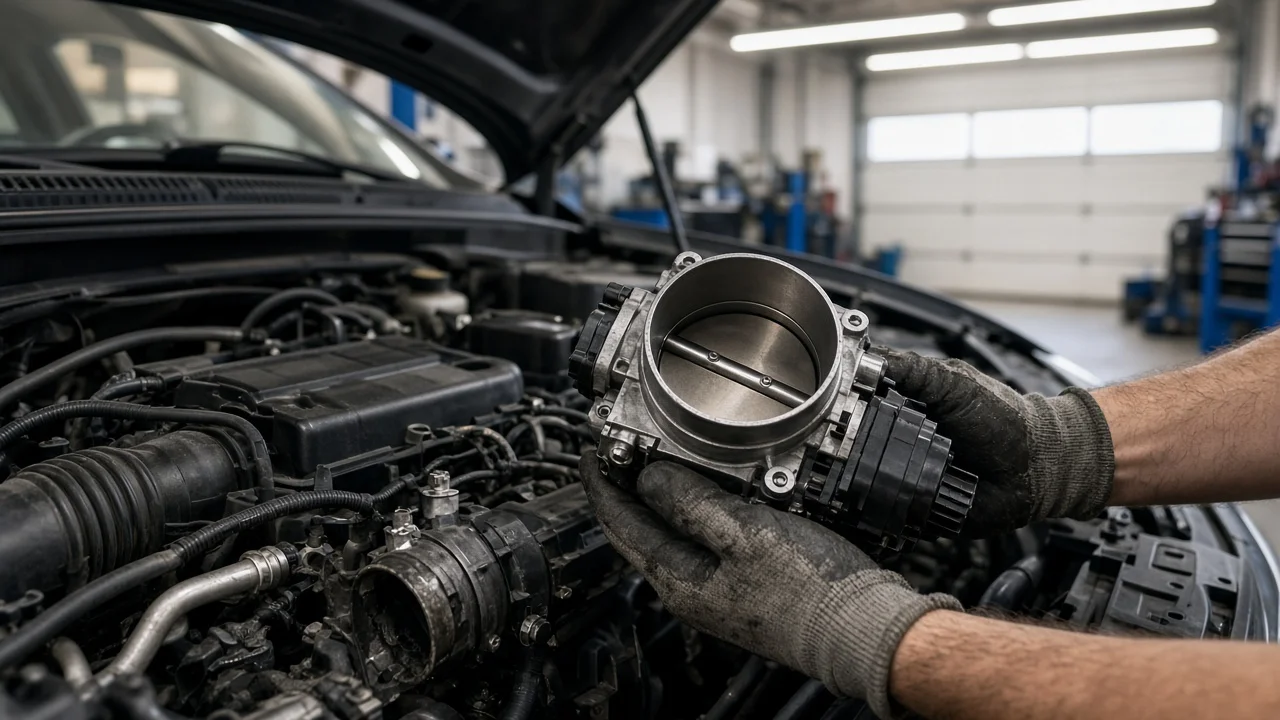
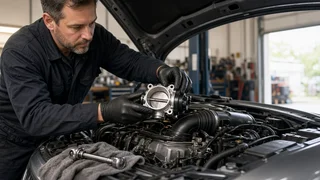
A no-start condition can feel alarming, especially when the engine cranks but never catches. Many drivers wonder whether the throttle body is responsible when the starter spins and the battery seems fine. The throttle body usually controls airflow after the engine begins running, but a severe fault can still interfere with cold starting. Understanding its role helps separate a true throttle body problem from more common no-start causes.
Essential answer
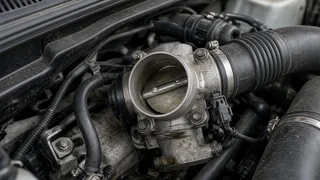
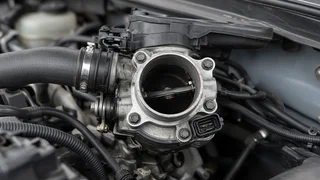
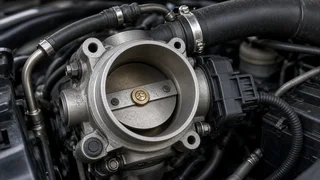
Yes, a badly failed throttle body can prevent a car from starting, but it is not the most common cause. The throttle plate normally opens slightly or adjusts during cranking so the engine receives enough air for initial combustion. If the plate is stuck fully closed by heavy carbon deposits or an internal failure, the intake passage may be starved of air. That can keep the engine from firing even though the starter motor works and fuel pressure is present.
The behavior depends on the failure. A dirty throttle body often causes rough idle, hesitation, or stalling rather than a complete no-start, because enough air still leaks past the plate. A broken position sensor or failed control signal can be more disruptive. On electronic throttle systems, the powertrain control module may refuse to enable fuel delivery if it cannot establish a trustworthy throttle position. In that situation the throttle body becomes part of an immobilization strategy, not just an airflow restriction.