Can a Bad Oil Pressure Sensor Cause Reduced Engine Power
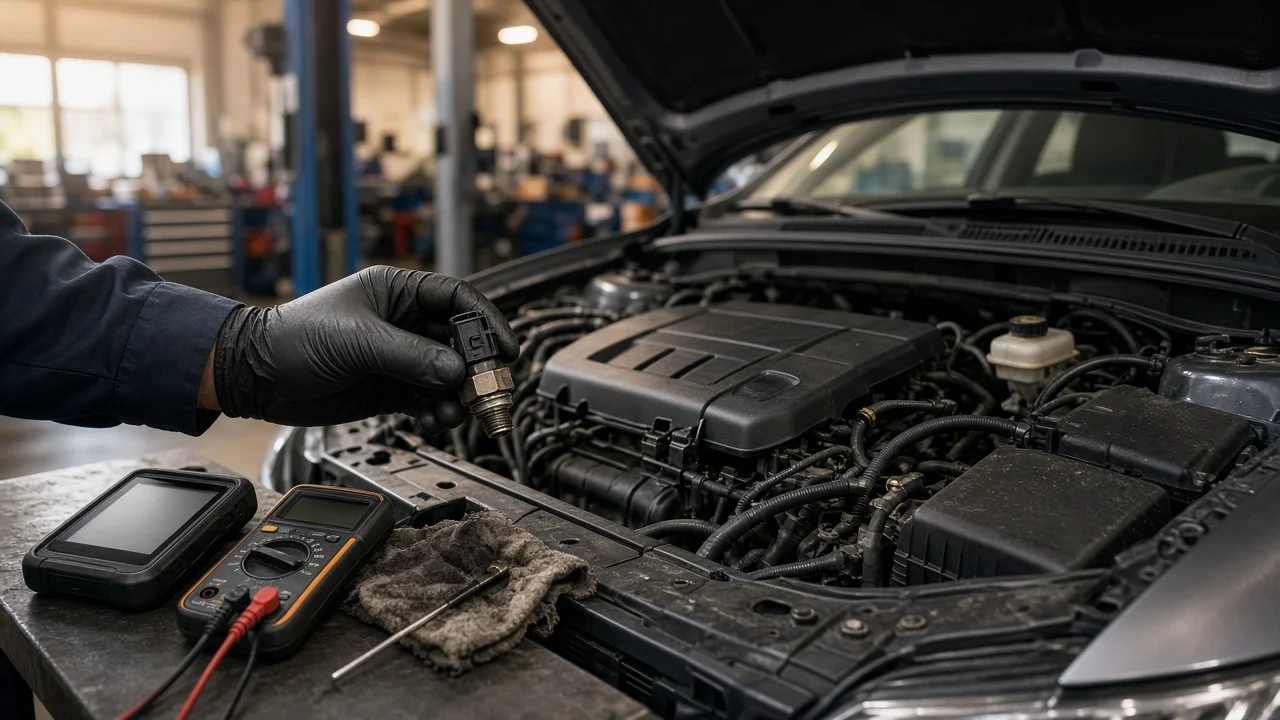
A reduced engine power warning can feel alarming, especially when it appears alongside an oil pressure concern. Drivers often wonder whether a faulty oil pressure sensor is enough to trigger that loss of performance. The relationship involves both real lubrication problems and false electrical signals. Understanding how the sensor communicates with the engine control system helps separate a simple sending unit issue from a genuine low oil pressure condition that requires immediate attention before bearing damage or overheating occurs.
Essential answer
A failing oil pressure sensor can contribute to a reduced engine power condition on some vehicles, but the sensor itself does not physically restrict the engine. The warning usually appears because the powertrain control module receives a signal outside the expected range and enters a protective strategy. If the sending unit falsely reports low pressure, the computer may limit output even though mechanical oil pressure is normal. The sensor is therefore a possible trigger, not the sole cause of every power reduction.
The distinction matters because a faulty switch can mimic a genuine lubrication failure. A real drop in oil pressure demands prompt diagnosis and repair, while a bad sensor may only require replacement of the sending unit. Checking the actual oil level and confirming pressure with a mechanical gauge helps determine whether the signal is accurate. Manufacturer-dependent control logic varies, so a specific vehicle may reduce power for one electrical fault but not another.