Can a Bad Battery Cause Rough Idle?
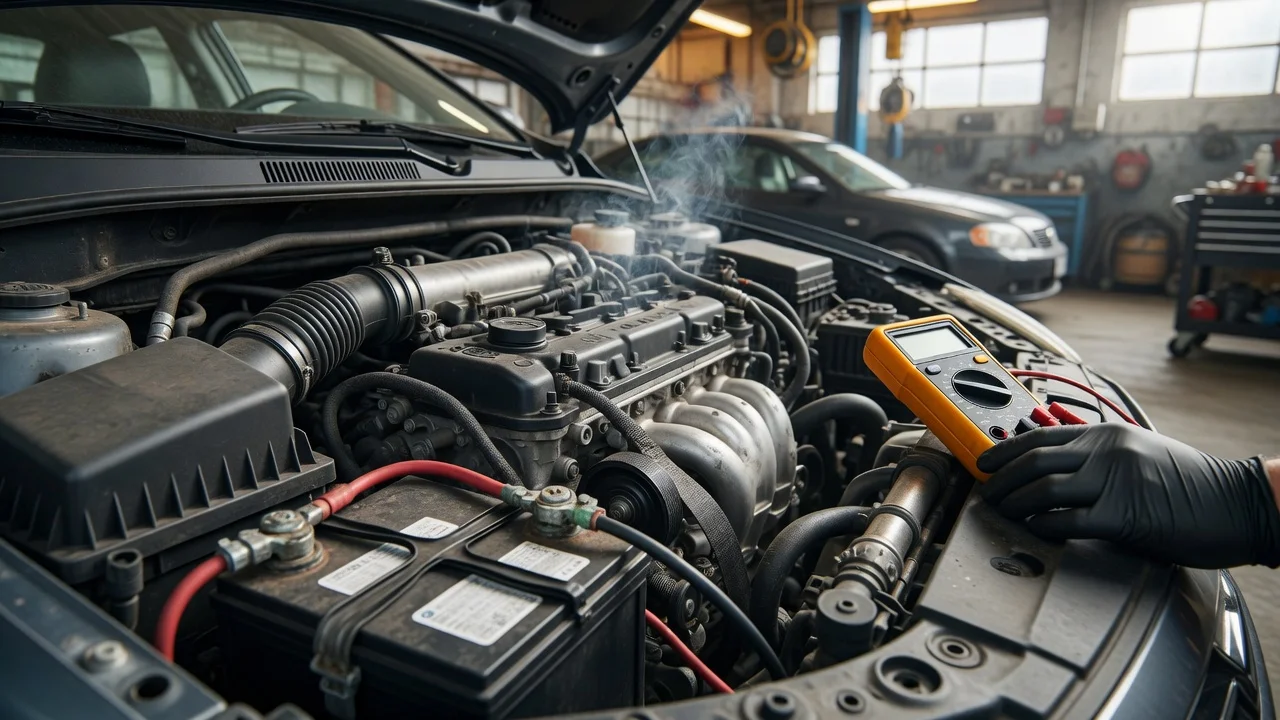
The Short Answer
Yes, a bad battery can contribute to a rough idle, but it is usually not the most likely cause on its own. Once the engine is running, the alternator normally supplies most of the vehicle's electrical power, so a weak battery tends to cause problems indirectly. Those problems include unstable system voltage, extra strain on the charging system, or lost idle settings after the battery has gone flat or been disconnected. How much the battery matters depends heavily on the vehicle's age, engine management design and powertrain.
How a Weak Battery Can Affect Idle Quality
Modern engines rely on electronics to keep the idle smooth. The engine control unit (ECU), which is the computer that manages fuel and ignition, along with the fuel injectors, ignition coils and, on many vehicles, an electronically controlled throttle, all need steady voltage to work as designed. A battery that cannot hold a charge acts as a poor buffer for the electrical system, which can let voltage dip or fluctuate.
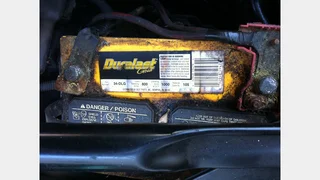
Unstable voltage: when voltage sags or swings, components such as injectors and coils may not behave consistently, which can show up as a shaky or uneven idle. Charging system strain: a failing battery can make the alternator work harder. The extra load is felt by the engine, and the ECU may adjust idle speed to compensate, sometimes making the idle feel uneven. Lost idle adaptations: many vehicles store learned idle values in memory. If a dead battery or battery replacement erases those values, the engine may idle roughly until the system relearns them. The relearn procedure varies by manufacturer and model. Poor connections: corroded, loose or damaged battery terminals and cables can produce symptoms similar to a failing battery, because they also disrupt stable voltage.
When the Answer Changes
The link between the battery and idle quality is not the same on every vehicle. Older engines with carburetors and simpler ignition systems depend less on electronic control, so a weak battery is more likely to cause hard starting than a rough idle once running. Vehicles with heavy electronic control, including electronic throttle bodies and stop-start systems, are generally more sensitive to battery condition. Hybrids and electric vehicles use their 12-volt battery differently from conventional cars, so the symptoms of a weak 12-volt battery on those vehicles do not map neatly onto a conventional rough idle. The owner's manual or manufacturer service information is the reliable reference for any specific model, year and powertrain.
Why the Battery Is Rarely the Whole Story
Rough idle has many possible causes, and several are more common than the battery itself. These include vacuum leaks, worn spark plugs or failing ignition coils, dirty or faulty fuel injectors, a dirty throttle body or idle control components, and sensor faults. A failing alternator can also produce voltage problems that look like battery trouble. Replacing the battery without checking these possibilities may not fix the idle.
What to Check First
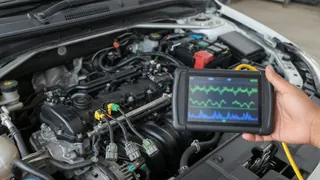
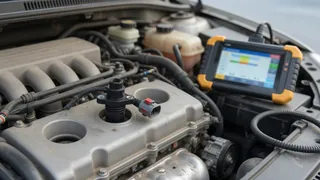
Inspect the battery terminals and cables for corrosion, looseness or damage, and clean or tighten them as needed. Have the battery tested under load and the charging system checked, since a battery and an alternator fault can mimic each other. Many parts stores and repair shops offer this testing. Read any stored diagnostic trouble codes with an OBD-II scanner on vehicles that support it, because codes can point toward misfires, sensor faults or voltage problems. If the rough idle began right after a battery replacement or a dead battery, check whether the vehicle needs an idle relearn procedure. If the battery and charging system test as healthy, look at the other common rough-idle causes rather than assuming the electrical system is responsible.
Bottom Line
A bad battery can play a part in rough idle, especially on electronically controlled engines or after the battery has gone dead or been replaced. In most cases it is one possibility among several, so testing the battery, the charging system and stored trouble codes is a better next step than replacing parts on a guess. Exact behavior, voltage tolerances and relearn steps vary by vehicle, and no model-specific test data was available for this guide.