Can a bad battery cause rough idle
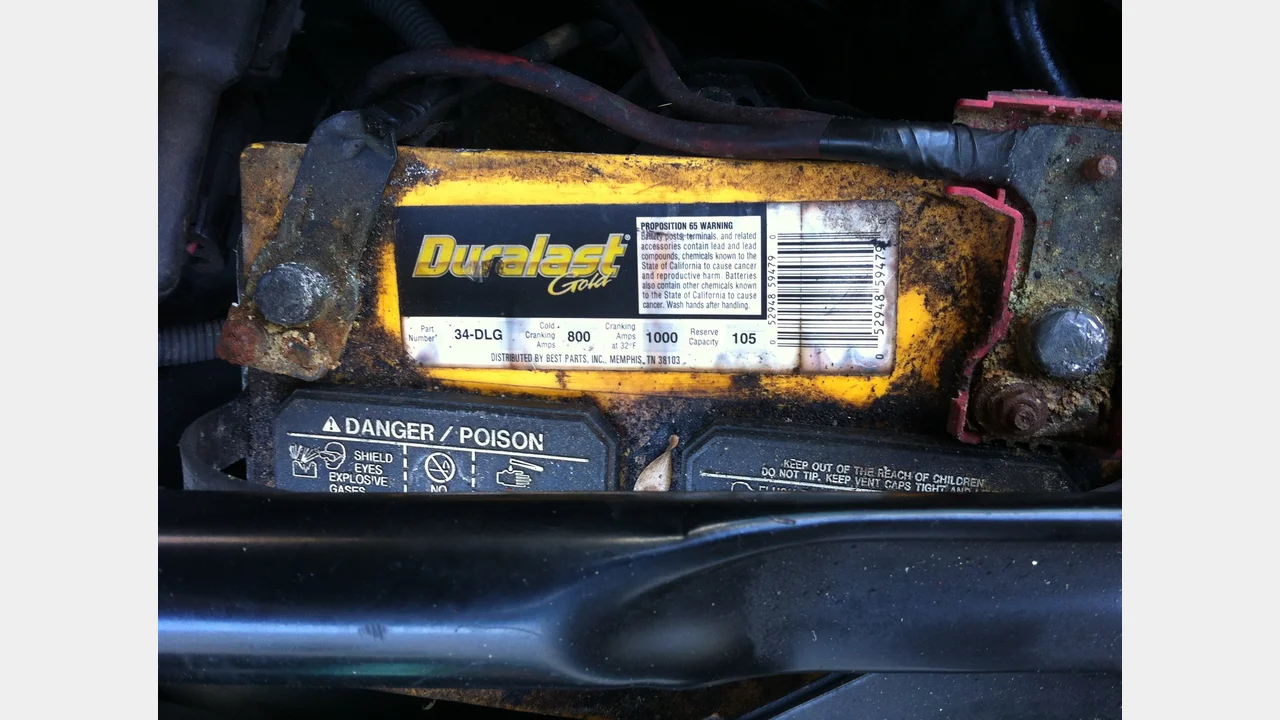
A rough idle can make a vehicle feel as if it is stumbling or about to stall, yet the cause is not always a bad spark plug or fuel-system fault. Drivers often ask whether a failing battery could be responsible. The answer depends on how the drop in system voltage affects engine-management electronics, charging output, and the powertrain control sensors that settle the engine at rest. Understanding this electrical link helps owners separate a genuine battery problem from an idle issue that only appears while the charging system is misbehaving.
Essential answer
A weak battery can contribute to a rough idle, but it usually does so indirectly. The battery is a storage reserve that stabilizes system voltage at idle and during low-RPM alternator output. If the battery is discharged, sulfated, or has high resistance at the battery terminals, the charging system may hunt or allow a voltage drop across the engine harness. Fuel injectors, ignition coils, and the electronic throttle rely on steady reference voltage. When that signal becomes noisy or dips, air-fuel delivery and spark timing can waver, producing an unsteady idle.
However, a bad battery alone is rarely proven by rough running. The rough idle is a symptom of unstable electrical delivery, not a direct mechanical defect inside the battery. The same symptom can appear from a failing alternator, corroded grounds, excessive parasitic draw, or a charging output that sags under load. A technician should confirm battery state of charge, charging voltage, and voltage drop across major circuits before replacing parts. This qualification matters because a new battery may temporarily mask a charging-system or wiring fault without fixing the real cause of the idle disturbance.