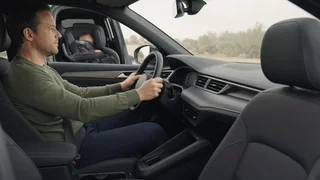
California Airbag Laws: What Drivers and Owners Need to Know
California does not have one airbag statute that covers everything. The rules come from two layers. Federal safety standards decide which airbags a vehicle must have when it is built. California law covers what happens after the vehicle is sold, including how airbags may be repaired or replaced and how children should be seated near them. This guide explains each layer, separates settled points from uncertain ones, and notes where you should check the current law yourself.
The Short Answer
In practical terms, California airbag law has three main effects:
Vehicles sold in California must meet the same federal occupant-protection standards as vehicles sold elsewhere in the US. The state does not set its own airbag equipment rules for new cars. The state restricts installing or selling counterfeit and nonfunctional airbags, and devices that make an airbag system falsely appear to work. California's child passenger rules affect where children may sit relative to an active airbag. The most important limit is on rear-facing child seats in front of a front passenger airbag.
The rest of this guide explains each point. No specific statute numbers, penalty amounts or effective dates were confirmed for this guide, so those details are left out rather than guessed.
Federal Standards Set the Equipment Baseline
Airbag equipment requirements for new passenger vehicles come from federal motor vehicle safety standards. The National Highway Traffic Safety Administration (NHTSA) administers them. Frontal airbags for the driver and front passenger have been required in new passenger cars and light trucks since the late 1990s. Many newer vehicles add side, curtain and knee airbags, either because later standards push manufacturers that way or as extra equipment.
Which airbags a particular car has depends on its model year, body style and trim, not on the state where it is registered. A California-market car generally has the same airbag layout as the same model sold in other states. To confirm your vehicle's airbag locations, check the owner's manual or the labels on the sun visors and airbag covers.
Counterfeit and Nonfunctional Airbags
The rule most often meant by "California airbag law" concerns repairs. California prohibits knowingly installing, reinstalling, selling or offering for sale three kinds of items:
Counterfeit airbags. Nonfunctional airbags. Objects that are not airbags but are installed to make the system look intact, such as stuffing placed under an airbag cover.
The ban also covers devices that make the airbag warning light show a working system when it is not working. This matters most to buyers of used and rebuilt vehicles, where a deployed airbag may have been replaced cheaply or not at all.
Exact penalties, the precise legal wording, and whether the law applies to private sellers as well as repair businesses were not confirmed for this guide. If you are dealing with a specific dispute, read the current statute or ask a qualified professional.
Airbag Deployment Zones and Where Passengers Sit
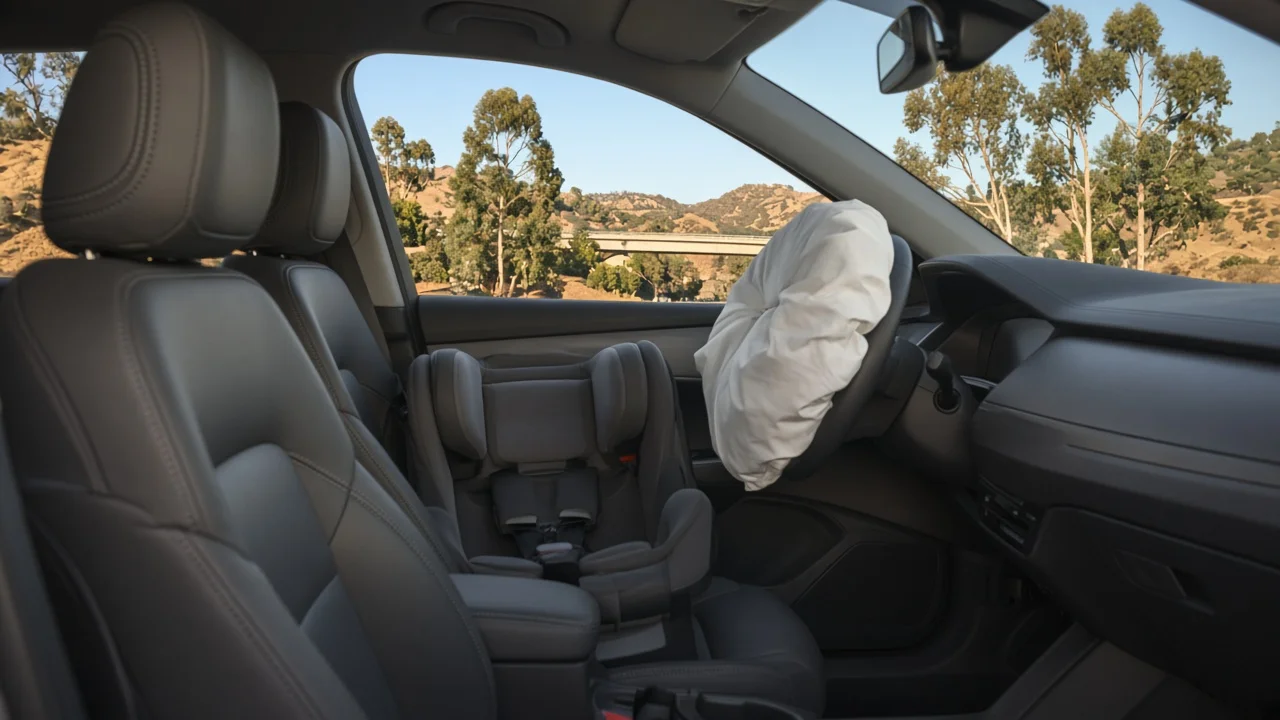
A deployment zone is the space an airbag fills as it inflates. A frontal airbag inflates in a fraction of a second, with enough force to injure anyone sitting very close to it. The risk is greatest for small children and for infants in rear-facing seats, whose heads sit right where the passenger airbag expands.
California's child passenger safety law addresses this risk in three ways:
Young children are generally required to ride in the rear seat. The front seat is allowed only under limited exceptions. A rear-facing child seat must not be placed in front of an active frontal airbag. Young children must use an appropriate child restraint or booster seat. Very young children must ride rear-facing unless they meet stated size limits.
The age, height and weight limits in these rules have changed over time and can be revised. Check the current California requirements before relying on any specific figure. The airbag warning labels in your vehicle and the instructions from your child seat's manufacturer also apply.
Turning Off or Disabling Airbags
Some vehicles have a factory switch to turn off the passenger airbag. This is common in two-seat cars and pickups without a usable rear seat. Many newer vehicles instead use an occupant-sensing system that turns the passenger airbag off or on based on who is in the seat.
Under federal rules, NHTSA allows retrofit on-off switches only for certain groups of people facing a specific airbag risk, such as some drivers with particular medical conditions, through an authorization process. Federal law also generally prohibits dealers and repair businesses from making required safety equipment inoperative unless an exemption applies.
Whether California adds its own rules for owners who disable airbags themselves was not confirmed for this guide. Leaving an airbag disabled without authorization can also affect insurance claims, resale disclosures and liability after a crash. If you believe you need an airbag turned off, start with the vehicle manufacturer and the federal authorization process.
Gaps This Guide Could Not Resolve
No confirmed subject evidence was available for the following questions, so they remain open:
Whether California requires owners to replace a deployed airbag before driving or re-registering a privately owned vehicle. The specific fines, criminal classifications or license consequences for violating the counterfeit or nonfunctional airbag rules. Whether, and how, airbag condition is checked during inspections of salvage or rebuilt vehicles. What disclosure duties apply to private sellers when an airbag has deployed or been replaced.
Practical Next Steps
When buying a used vehicle, have the airbag system scanned, and confirm the warning light comes on at startup and then turns off. Ask for repair records showing that any deployed airbag was replaced with a genuine or certified part. Check for open safety recalls on the vehicle's airbags, and have recall repairs completed. Seat children according to current California child passenger rules. Never place a rear-facing seat in front of an active airbag. For legal disputes or penalty questions, check the current statute or consult a qualified professional rather than relying on a summary.