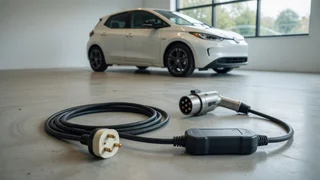
BYD Mode 2 Charging Cable
Choosing an EV Mode 2 charging cable for a BYD means matching a portable charging solution to the vehicle's onboard charger and the outlets you actually have available. This cable is not a fast charger; it is the flexible emergency and opportunity charger that travels with the car and converts a common household supply into usable charging power. The right selection depends on connector standard, supply capacity, and charging protocol. Understanding those relationships helps you avoid a cable that fits the port but delivers less energy than the car can accept, or one that trips a circuit because it asks for more than the wall can safely provide.
The direct answer
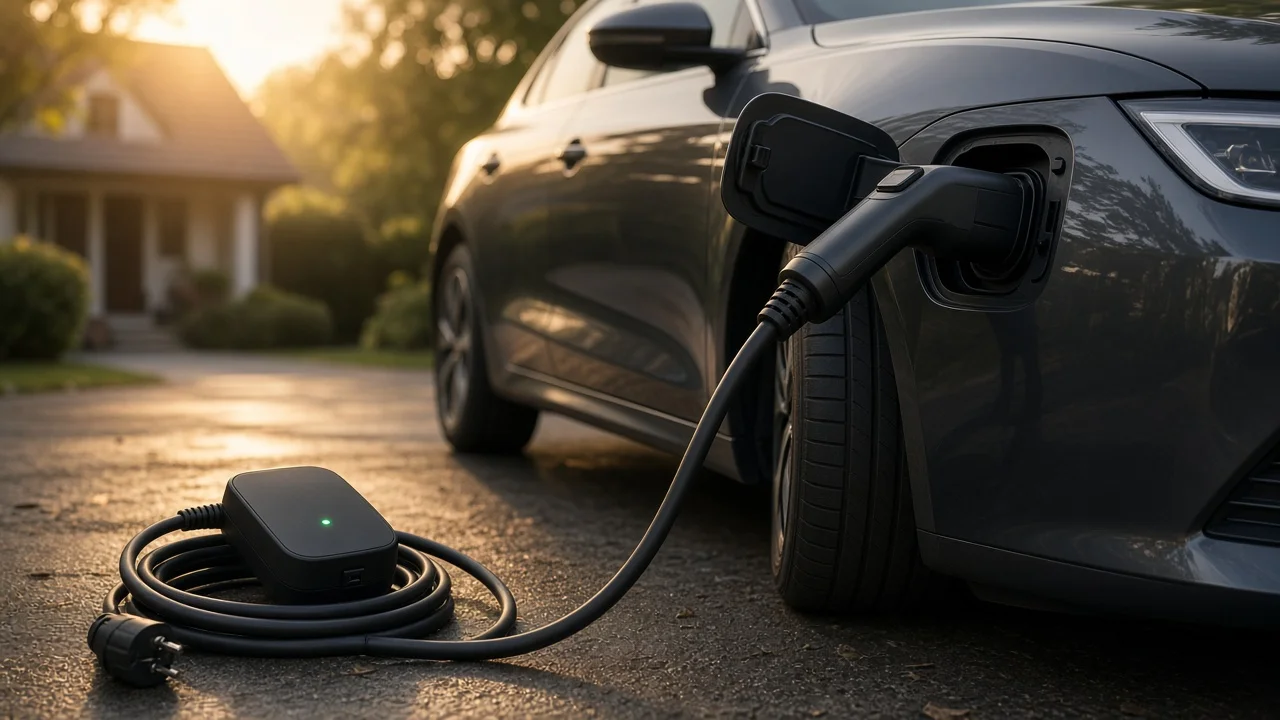
The immediate answer is that a suitable EV Mode 2 charging cable for a BYD must have the correct vehicle-side connector for your region, match the charging power your household outlet can supply, and communicate properly with the car's onboard charger through the control box built into the cable. In the US market, that typically means a J1772 vehicle connector on a portable EVSE with a NEMA plug for a standard 120-volt or 240-volt receptacle. The most important condition is vehicle compatibility: the cable is a safe intermediary, not a transformer, so it cannot change the voltage or current limit set by the wall circuit.
The control box on a Mode 2 cable performs the essential safety and communication function. It checks the ground connection, announces the maximum available charging power to the vehicle, and only then closes the contactor that energizes the vehicle connector. When comparing BYD portable charging options, the practical question is whether the cable's advertised amperage stays within the continuous-load rating of the outlet and breaker you intend to use. A cable rated higher than the circuit is not a performance upgrade; it is a mismatch that can create heat at the receptacle, even though the car will only draw what the charging protocol allows.