3-Pin (Mode 2) Granny Charging Cable
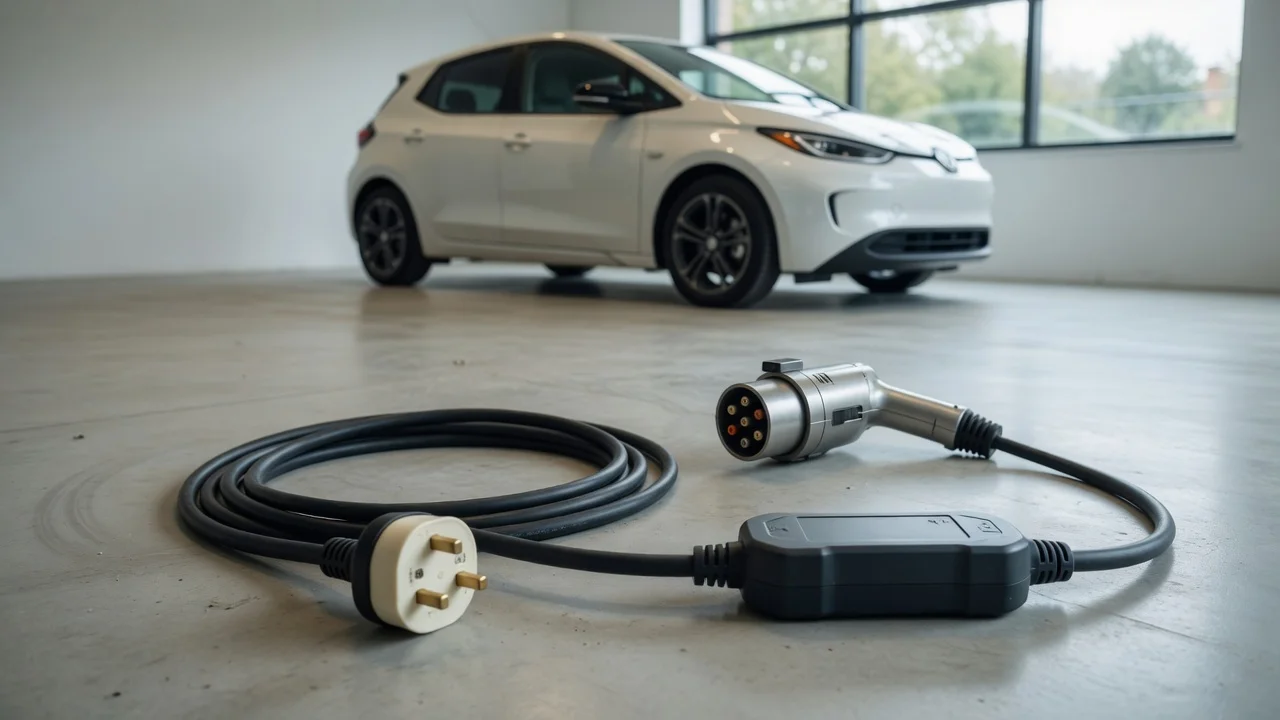
What is a Mode 2 3-pin granny charging cable?
A Mode 2 charging cable is a portable electric vehicle charging lead that plugs into a standard domestic 13A three-pin socket at one end and the vehicle's Type 2 inlet at the other. It is often called a granny charger because it draws power at a modest rate that will not overload a typical home socket. The control box built into the lead manages the charging session and provides basic safety monitoring.
When a 3-pin charging cable makes sense
A 13A EV charging cable is useful as an occasional, portable or backup charging method when a dedicated wallbox is not available. It can suit overnight charging for low daily mileage, visiting a property without a home charge point, or keeping in the boot for emergencies. It is not usually the fastest or most convenient long-term solution, but it can be sufficient where driving distances are short and the car is parked for several hours.
Length options and the 10 metre question
Mode 2 cables are commonly supplied in 5 metre, 8 metre and 10 metre lengths. A 10m EV charging cable 3 pin is selected when the parking position is further from the socket or when the socket side is fixed and the vehicle inlet is on the opposite corner. A longer cable adds weight and cost, and very long runs should be fully uncoiled during use to avoid heat build-up. The stated length is the cable itself, not including the plug and vehicle connector.
Charging current and safety limits
A UK 13A socket is typically rated for a continuous load below the nominal 13A. Many portable EV charging cables are limited to 10A for the vehicle charging current, which is roughly 2.3 kW on a 230V supply. This conservative limit reduces stress on the socket, plug and wiring during long charging sessions. The exact current and vehicle charge rate can vary by cable, plug temperature sensing and vehicle onboard charger.
Type 2 to 3-pin compatibility
An EV charging cable Type 2 to 3 pin is designed for vehicles with a Type 2 inlet, which covers most modern electric cars and plug-in hybrids in European and many other markets. The three-pin end connects to the domestic socket, while the Type 2 connector attaches to the car. Check the vehicle inlet type before buying, because some older or specialist EVs may use a different connector. The cable does not convert a Type 1 vehicle to a Type 2 supply.
Using a granny charger safely
Use a well-maintained socket that is not already warm, cracked or loose. Avoid extension leads unless they are specifically rated for continuous EV charging and fully uncoiled. Plug the cable directly into the wall socket where possible, keep the control box dry and supported, and do not run the cable through doorways where it can be pinched. The cable and plug should not feel excessively warm after a charging session. If they do, stop using the setup and have the socket checked.
What a Mode 2 cable is not
A granny charging cable is not a fast charger. Charging times depend on the vehicle battery size and onboard charger, but a 10A supply adds roughly 10 to 12 miles of range per hour for many EVs, and less for larger or less efficient vehicles. It also does not provide the load management, scheduled charging controls or installation protections of a dedicated wallbox, although some cables include basic current selection or temperature monitoring.
Key checks before choosing a cable
Vehicle inlet type and market specification; Required cable length measured along the realistic cable route; Continuous current rating of the plug and control box; Socket condition and wiring quality at the planned charging point; Whether the cable will be used indoors, outdoors or both
Gaps to verify
The exact charge rate for a specific vehicle depends on its onboard charger and battery state. Cable pricing, availability and exact current settings are not supplied here and should be confirmed against a particular product listing. Compatibility should also be matched to the vehicle's model year and region, since connector types and charging behaviour can vary.