Boat Trailer Safety Chains vs Cables
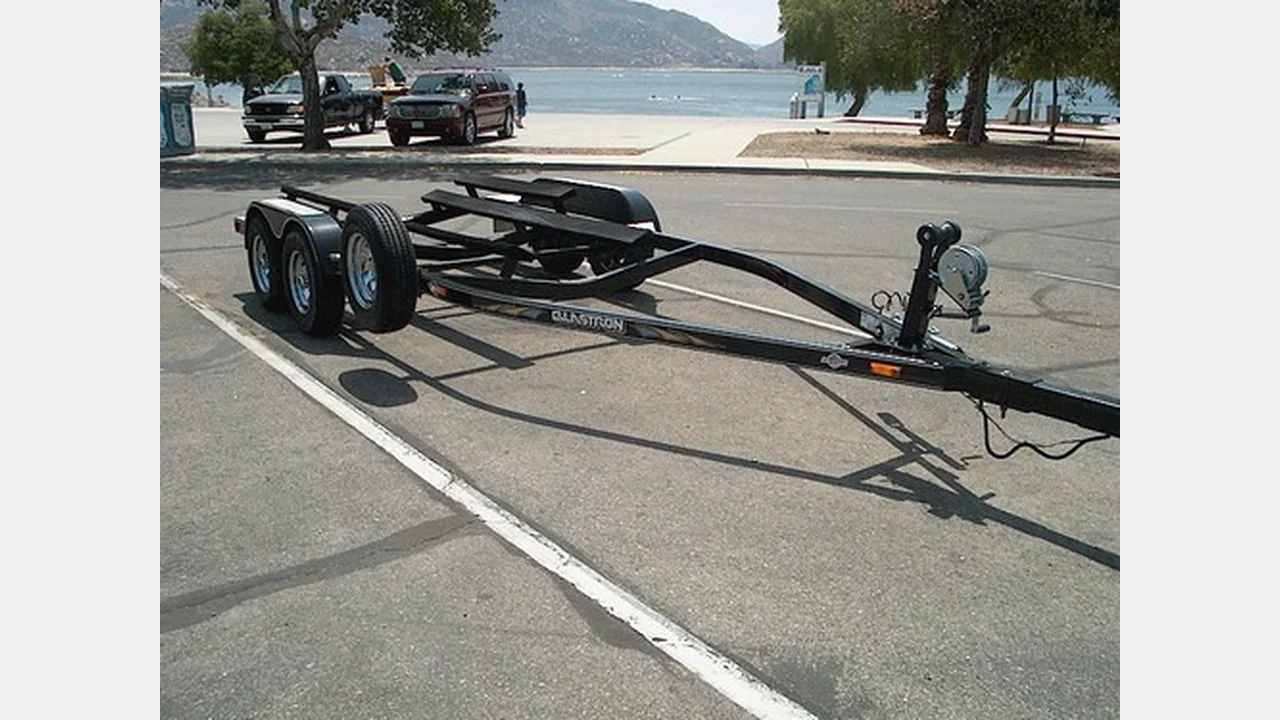
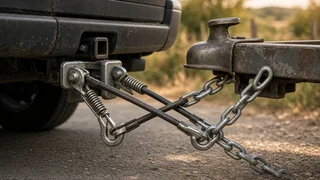
Choosing boat trailer safety chains or cables affects what happens if the coupler separates from the hitch ball during towing. Both devices create a secondary connection that can hold the trailer behind the tow vehicle long enough for a controlled stop, but they behave differently under load. The right choice depends on trailer weight, tongue weight, attachment points, and how the components lie across the drawbar. Understanding those mechanics helps a driver select equipment that matches the rig without relying on a part that is too stiff, too long, or improperly rated.
Direct answer
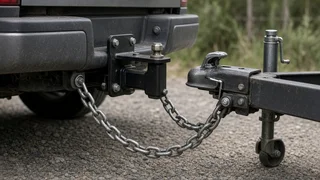
For most recreational boat trailers, safety chains are the practical first choice, while cables are better reserved for trailers that need a flexible routing path or a quieter, corrosion-resistant secondary link. Chains offer predictable strength, easy length adjustment, and straightforward attachment to the tow vehicle. Cables can work well, but they need swaged fittings and careful inspection because a kink, frayed strand, or damaged terminal can reduce capacity before it is obvious.
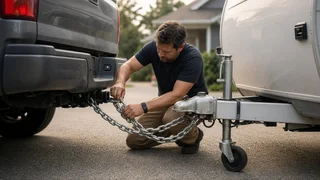
The immediate answer depends on the trailer configuration and the available attachment hardware. If the trailer has traditional chain loops and the tow vehicle has proper hooks or quick links, chains usually provide the most dependable setup. If the routing passes over an A-frame or through a narrow opening where chain links would bind, a cable may lie flatter. Either way, the selected device must be rated for the trailer's gross vehicle weight rating and arranged with enough slack to turn without dragging.