BMW tire valve stem replacement

A BMW tire valve stem may look like a minor detail, but it is the seal that holds inflation pressure inside the wheel. When the stem corrodes, cracks, or leaks, the tire loses air gradually, triggering dashboard warnings and uneven tread wear. Owners researching BMW tire valve stem replacement usually face a mix of questions: what the part does, when it should be changed, and how the work relates to tire service. The answer depends on the wheel material, the type of stem, and whether the tire pressure monitoring sensor is integrated. Understanding the assembly helps a driver judge whether a slow leak is a simple rubber component issue or a sign of a larger wheel or tire problem.
Essential answer
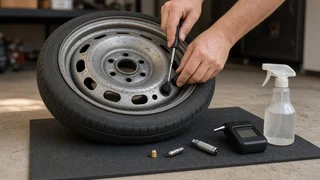
BMW tire valve stem replacement generally means removing the old air valve from the wheel and installing a new stem, often while the tire is dismounted from the rim. On many BMWs, the valve is not just a rubber tube; it can be a metal clamp-in stem or part of a tire pressure monitoring sensor assembly. Because the stem is exposed to road salt, moisture, heat, and flexing, its rubber base and internal core can deteriorate even when the tire itself looks healthy. A slow loss of inflation pressure, especially after a new tire installation, often points to a leaking valve rather than a puncture.
The scope of the job changes with the wheel type. A conventional rubber snap-in stem is straightforward and inexpensive, but BMW applications frequently use aluminum clamp-in stems that thread through the rim and seal with a grommet and nut. If the vehicle has direct tire pressure monitoring, the sensor may be attached to the stem or serve as its base. In that case, a correct replacement also involves preserving or replacing the sensor sealing hardware. Confirming whether the stem is rubber or metal and whether the sensor is separate is the essential first step in planning the repair.