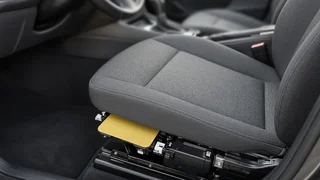
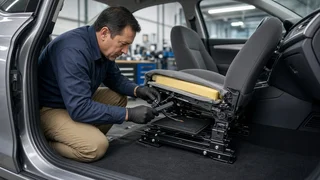
BMW passenger seat occupancy sensor replacement
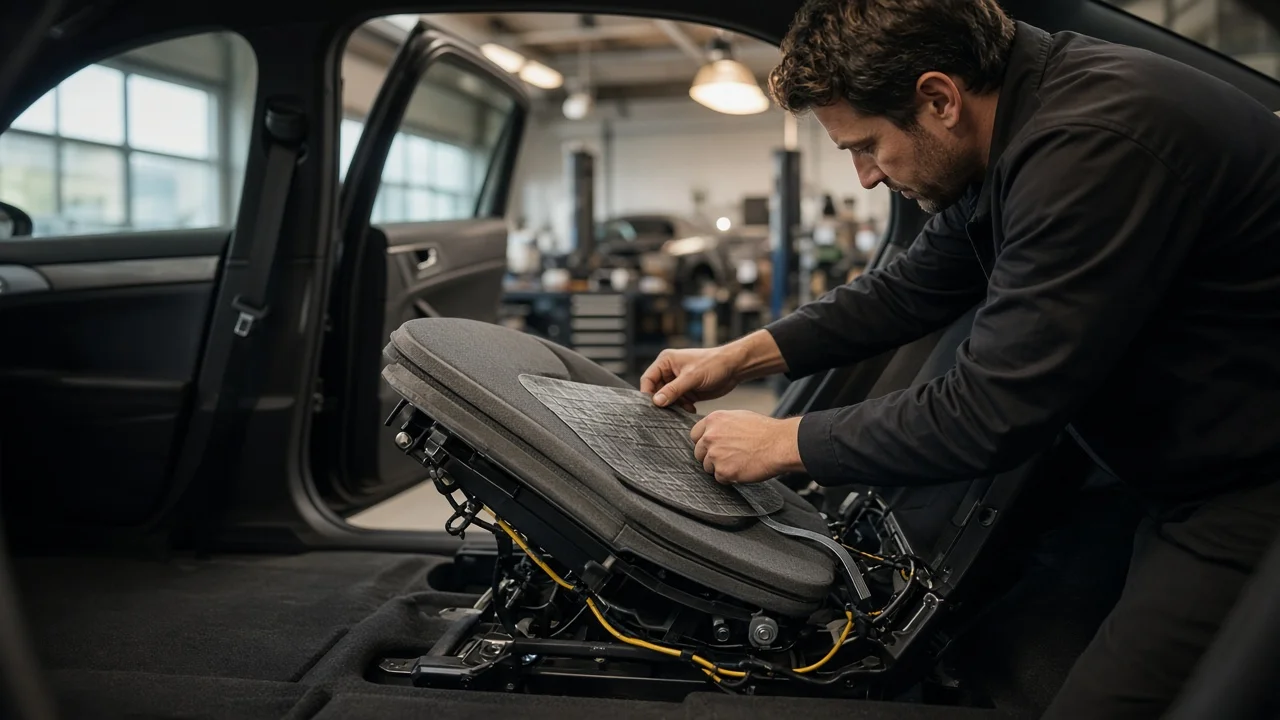
A BMW passenger seat occupancy sensor tells the restraint system whether the right front seat is occupied. When that mat-style sensor fails or the vehicle coding is changed, the airbag warning may stay on and the passenger airbag may not deploy as intended. Owners searching for a BMW passenger seat occupancy sensor replacement usually face one of two jobs: installing a new sensor mat in the seat bottom, or updating the module coding so the car recognizes the replacement part and configuration. The E90 chassis is frequently discussed because its sensor design is sensitive to pressure, moisture, and changes in vehicle configuration.
Essential answer
The essential answer is that replacing a BMW passenger seat occupancy sensor is rarely just an electrical part swap. The sensor is integrated into the seat cushion or a pressure-sensitive mat beneath the upholstery, and the restraint system compares its signal with the seat belt buckle, seat position, and airbag control module expectations. On many E90 models, a new sensor may need coding or initialization through BMW diagnostic software before the occupancy detection works correctly. Without that step, the system can still store a fault even when the replacement hardware is good, because the module is looking for a previously learned sensor response or a different vehicle configuration.
The scope of the job depends on the fault and the seat design. A mat that has cracked from repeated knee pressure or moisture intrusion often produces an open-circuit or plausibility code, and the repair involves removing the seat, opening the lower upholstery, and fitting the mat under the foam. In contrast, coding addresses software recognition, parameter matching, and confirmation that the new sensor range fits the module calibration. An owner should treat the code as a starting point: it identifies which circuit or plausibility check failed, not automatically which part is bad. Manufacturer-dependent faults and model-specific seat mountings mean a vehicle-specific diagnosis is needed before buying parts.