BMW passenger seat occupancy sensor
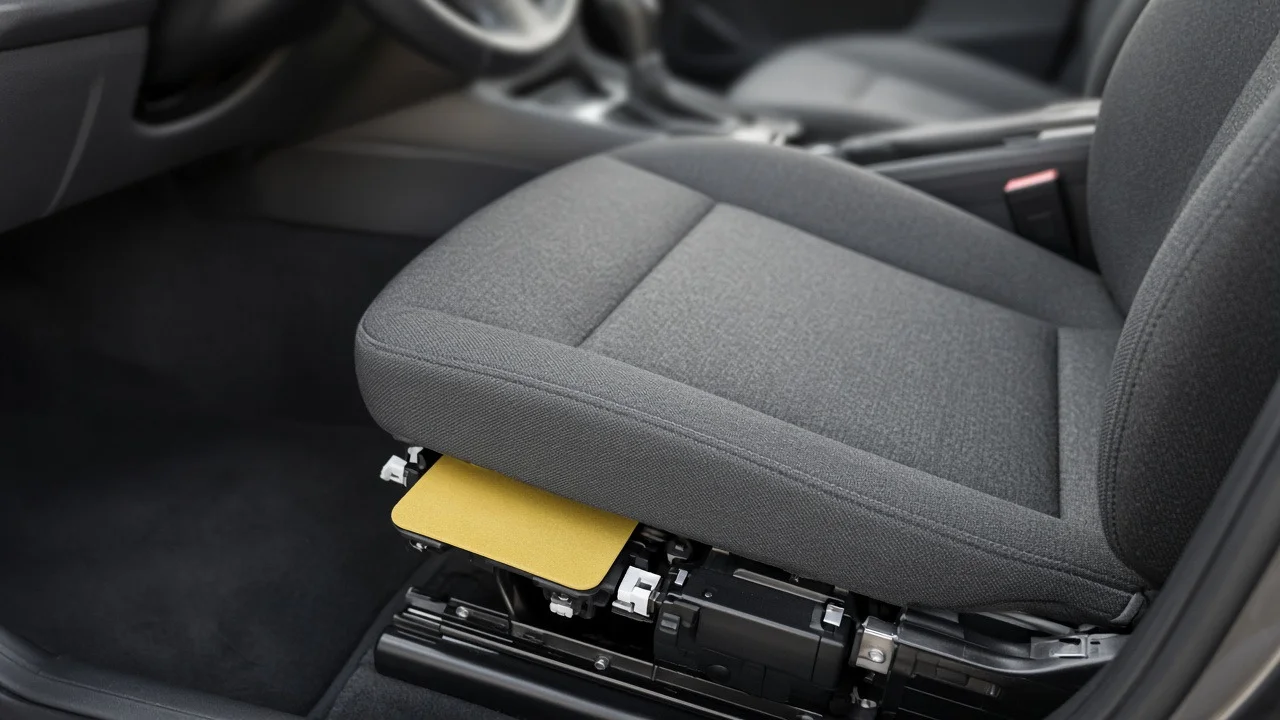
A BMW passenger seat occupancy sensor helps the restraint system decide how the front passenger airbag should behave. When the mat in the seat cushion stops reporting weight reliably, the airbag warning light and a stored fault code often follow. The issue is frequently discussed on E90 cars, but the same sensing principle appears across many BMW platforms. Understanding the component makes the warning easier to interpret.
Essential answer
The passenger seat occupancy sensor is part of the supplemental restraint system. It detects whether a person is sitting in the right front seat and sends that classification to the airbag control module. If the module sees an implausible signal, it may store a fault and illuminate the airbag warning light. On a BMW E90, the sensor is typically a flexible mat installed in the seat cushion foam rather than a separate pad placed on top of the upholstery.
This mat changes electrical resistance or capacitance when weight presses through the foam. The control module interprets that change as an occupied or unoccupied seat condition. The result influences passenger front airbag deployment. Later vehicles may use integrated sensing in the seat structure, so the exact part location varies by platform. A fault code points toward a circuit or plausibility problem, but it does not by itself confirm that the mat is physically broken.