BMW N57 timing chain and interval
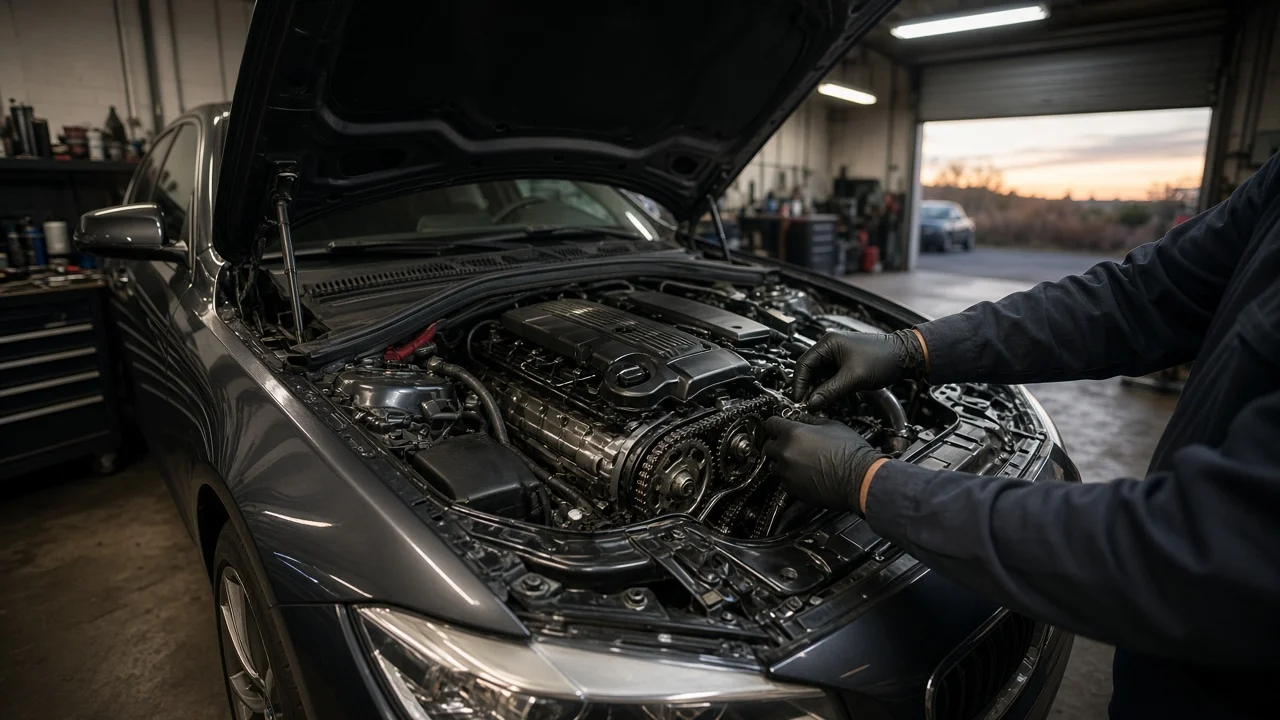
The BMW N57 engine timing chain is a central ownership question for buyers and current drivers of six-cylinder diesel models. This inline engine configuration places the chain at the rear of the block, which affects how wear is inspected and how repair work is quoted. Understanding the relationship between symptom conditions, service history, and diagnostic codes helps separate normal diesel operation from early signs of chain-related trouble. Because the chain is not visible during routine underhood checks, a realistic overview must account for what can be verified without teardown and why a single universal replacement interval is difficult to state.
Essential answer
The essential answer is that the N57 engine timing chain does not have one fixed, universally applicable replacement interval that can be stated as a simple mileage number. Wear depends on oil-change history, operating conditions, and the specific vehicle application. Manufacturer specifications and service bulletins may provide inspection guidance or updated component designs, but any single published figure should be treated as a reference point rather than a guarantee. For a prospective buyer, the more useful question is whether this particular engine shows measurable evidence of chain stretch or guide wear.
Inspection remains the practical method for assessing condition. Because the timing chain is mounted at the rear of the engine, access often requires transmission removal or significant disassembly, so direct visual inspection is intrusive. Instead, owners and technicians typically rely on diagnostic codes related to camshaft and crankshaft correlation, along with cold-start rattle, rough idle, or extended crank times. A fault code is evidence to interpret, not proof that the chain has failed. Those symptom conditions, combined with service history, give a more accurate picture than a standalone interval claim.