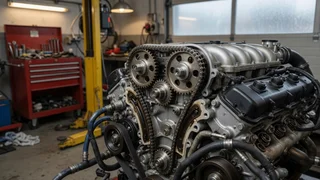
BMW Engines With Timing Chain Problems
Timing chain troubles can quietly turn a smooth-running BMW into a risky ownership proposition, especially on certain turbocharged engines where wear, tensioner faults and extended drain intervals converge. The question “which BMW engine has timing chain problems” usually leads back to the N47 diesel and a cluster of N20 gasoline fours. Identifying the engine family, listening for cold-start rattle and reviewing service history helps owners separate genuine risk from generic internet worry. A chain assembly is only as durable as its guides, tensioners and oil supply, so symptom context matters more than a simple model list.
Essential answer
The engines most strongly associated with timing chain problems are BMW’s N47-series diesels and early N20 turbocharged gasoline units. The N47 gained a poor reputation for rear-mounted chain assemblies where guides could wear and tensioners could lose control, sometimes producing a distinctive rattle after a cold start. The N20 family, particularly earlier variants used in cars like the 328i, also showed oil-pump drive and chain wear concerns. This is not proof every example fails; usage, maintenance and variant updates materially change the picture.
Engine configuration explains part of the risk. In the N47, the chain sits toward the firewall, so repair access is labor intensive because the engine often must be removed or extensively disassembled. In the N20, the chain runs toward the front, but worn guides or a failing tensioner can still allow slack that affects valve timing. A complete service history showing frequent fresh oil, updated parts and quiet operation is a stronger ownership signal than blanket statements about all BMW engines.
Diagnosing a problem
The most telling symptom is a metallic rattle or raspy clatter during cold starts that fades as oil pressure builds and the tensioner takes up slack. If the noise is brief and disappears within a second or two, early guide or tensioner wear may be developing. A rattle that persists while driving, changes with engine speed, or accompanies rough running suggests more advanced chain slack. Because the noise can resemble injector clatter on a diesel or valvetrain tick on a gasoline car, diagnosis should consider symptom conditions rather than assuming a failed part.
Fault codes related to camshaft or crankshaft correlation are evidence to investigate, not proof that a chain has failed. They may indicate stretched timing components, a faulty sensor, a wiring concern, or occasionally a different oil-control problem. Inspection often includes checking timing references, listening for noise under specific cold or hot conditions, and examining oil for debris from broken guides. Do not continue driving a car with persistent rattle and timing-related codes; the damage window between a noisy chain and a valve-to-piston collision can be narrow.