BMW Timing Chain Problems: What to Know Before Buying or Owning
Direct Answer
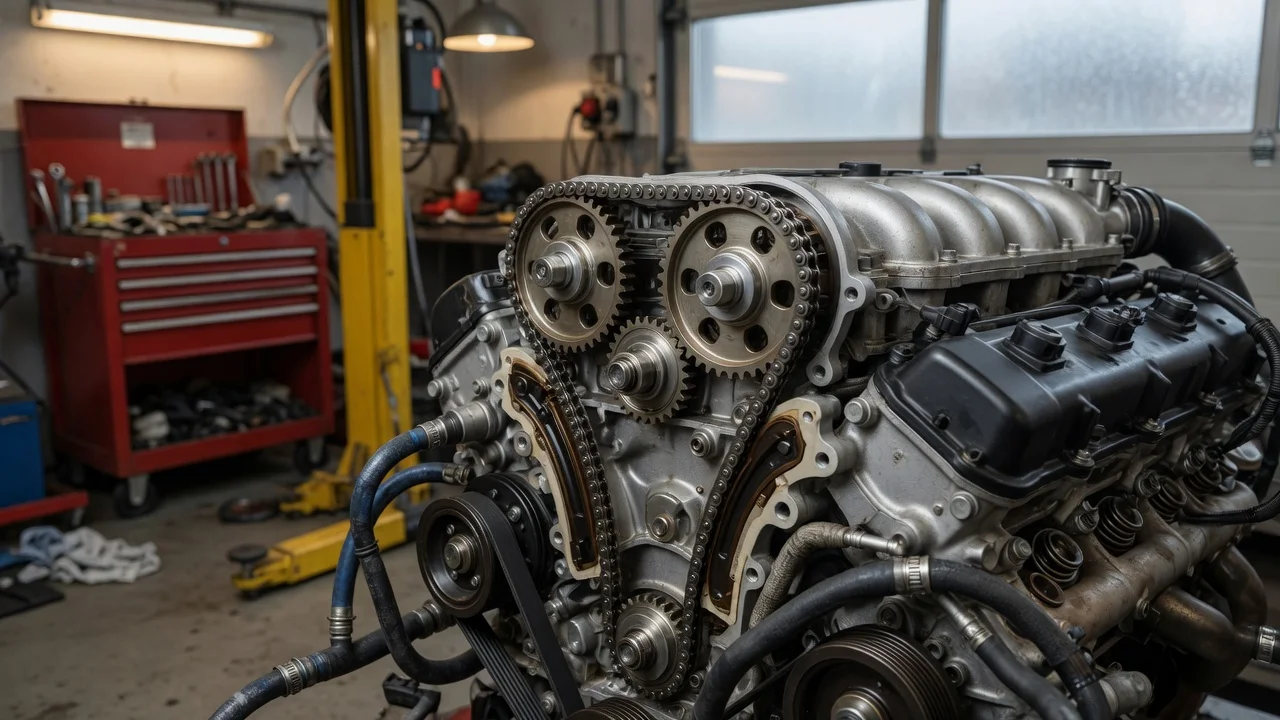
BMW timing chain problems are most concentrated in four-cylinder N20 and N26 turbocharged petrol engines produced roughly from 2011 to 2015, and in some six-cylinder N47 diesel engines used in earlier cars. The primary failure mode is premature stretching or wear of the timing chain, which can lead to skipped timing, valvetrain contact, and severe engine damage. Later engines, including the B48 four-cylinder petrol and B47 diesel introduced from the mid-2010s, show reduced frequency of chain issues but are not immune to normal wear at high mileage. Any timing chain question should be qualified by specific engine code, model year, and service history because failure rates differ materially between variants.
Symptoms and What They Indicate
Reported symptoms of BMW timing chain problems include a rattling or metallic noise from the rear of the engine on start-up or at idle, rough running, illuminated fault codes related to camshaft or crankshaft correlation, and in severe cases a no-start condition. A short rattle that disappears after a few seconds can indicate a worn timing chain tensioner or guide allowing momentary slack until oil pressure builds. A persistent rattle at operating temperature more strongly suggests excessive chain stretch or guide wear. Diagnostic trouble codes for camshaft position correlation should be treated as evidence to investigate rather than proof of a failed chain, because a faulty VANOS solenoid, camshaft sensor, or oil pressure problem can produce similar faults.
Diagnostic Checks
Before concluding that a timing chain has failed, several checks can distinguish plausible causes. A scan for stored fault codes can show whether camshaft and crankshaft signals are out of sync. Checking engine oil level and service history matters because low oil or extended drain intervals accelerate chain wear. Removing the oil filler cap and examining the chain for visible slack or damaged guide material is possible on some engines, but limited visibility can make this an inconclusive check. A professional assessment using an oscilloscope on the cam and crank signals, or mechanical inspection of chain stretch through engine timing alignment, provides stronger evidence. Conditions requiring stopped use include a loud metallic rattling that worsens with engine speed, sudden loss of power with camshaft fault codes, or any sign of valve-to-piston contact such as a seized or knocking engine. Continuing to drive in these situations can convert a chain replacement into a complete engine rebuild.
Affected Engines and Model Fitment
The N20 four-cylinder petrol engine was fitted to BMW models including the 320i, 328i, 520i, 528i, X1, X3, and Z4 across various global markets in the early 2010s. The closely related N26 was a SULEV version sold primarily in North America. N47 diesel engines appeared in cars such as the 118d, 320d, and 520d from around 2007, with chain problems more often documented in early production examples. The B48 petrol four-cylinder and B47 diesel four-cylinder, introduced progressively from about 2014 onward, use revised chain layouts and generally show fewer early chain failures, though maintenance history and mileage remain relevant.
Ownership and Repair Considerations
Preventive replacement of a timing chain on an affected N20-engined car is often discussed by owners because the chain can fail before a traditional service interval. Repair cost and labour vary by market and workshop, but the job typically involves removing the timing cover or, on some N47 applications, removing the engine from the car. Any assessment must separate documented technical bulletins and workshop findings from owner speculation or forum reports. When evaluating a used vehicle, a full service history with regular oil changes, any evidence of chain replacement, and a cold-start listening check are more useful than mileage alone. Material uncertainty remains in individual cases because a chain can fail without a long warning period.