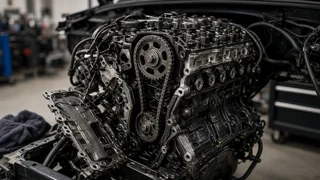
BMW N55 Timing Chain
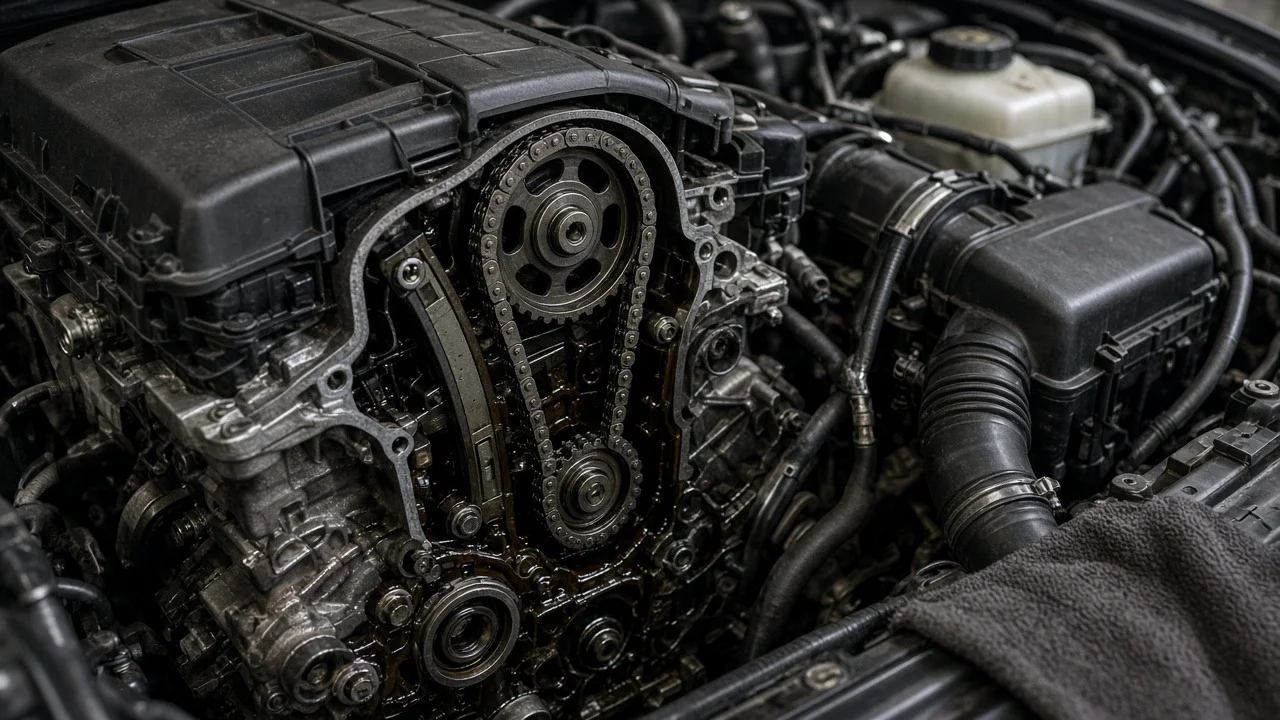
The BMW N55 engine timing chain is a durable internal component, yet it sits at the center of many ownership questions because wear can change engine behavior long before a hard failure. Researching this subject usually means distinguishing normal operating sounds from early chain-related noise, reviewing service history, and considering how engine configuration affects inspection access. The following overview explains what the timing chain does, why its condition matters on this turbocharged inline-six, and how symptoms, diagnostic codes, and mileage patterns can guide a practical next step without assuming that a part has failed simply because a code has appeared.
Essential answer
The essential answer is that the BMW N55 uses a timing chain to synchronize the crankshaft and camshafts, keeping valve events aligned with piston movement. Because the chain is internal and relies on oil supply, wear typically develops gradually through tensioner or guide degradation rather than sudden breakage. The scope of a timing chain question should therefore include not just the chain itself, but also the guides, tensioner, sprockets, and the engine conditions that influence their service life.
A material qualification is that the N55 is not identical to earlier engines sharing its general layout, so chain-related observations should be interpreted for this specific inline-six turbocharged configuration. Symptom conditions matter: a brief cold-start rattle, an intermittent camshaft correlation code, or steady metallic noise at hot idle each point toward different levels of concern. Diagnostic codes are evidence to interpret, not proof that a chain has stretched or a guide has broken, and manufacturer-dependent codes require vehicle-specific confirmation before any replacement decision.