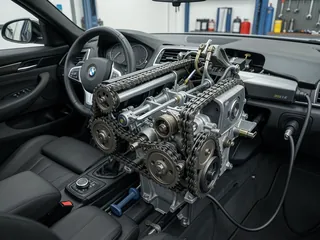
BMW B58 Timing Chain
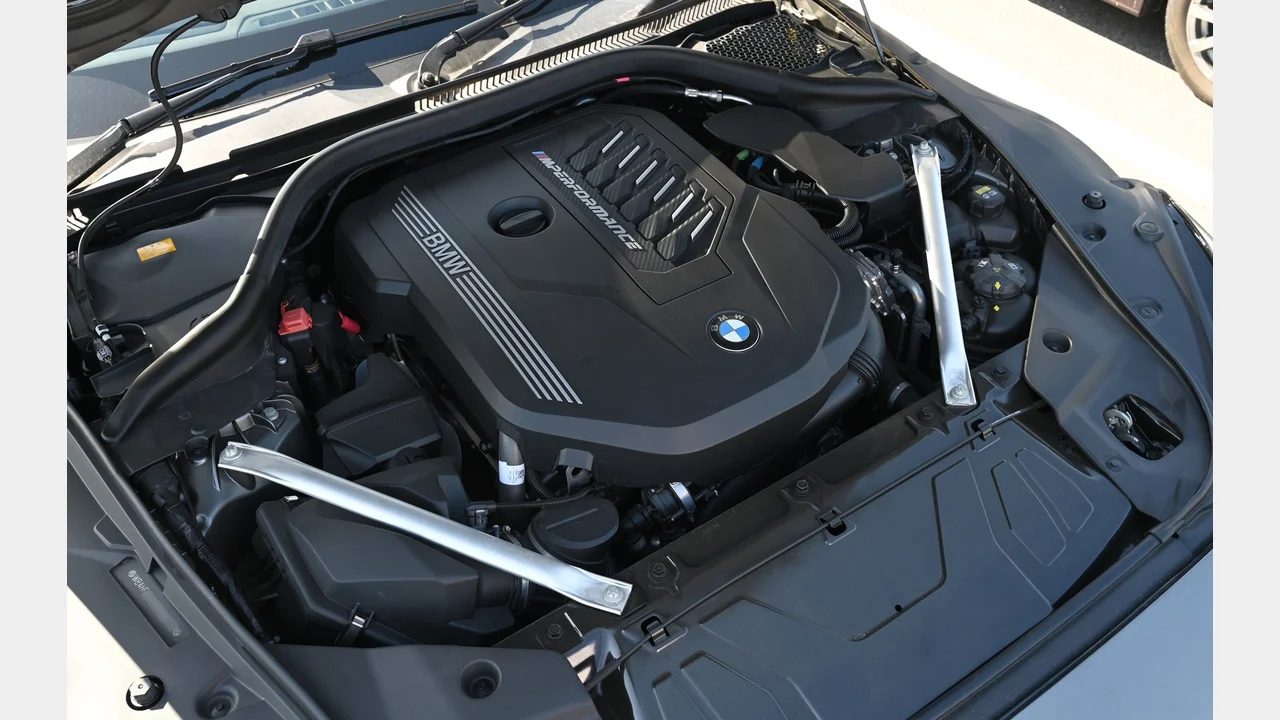
The B58 engine family uses a timing chain to keep the crankshaft, camshafts and valvetrain synchronized. Unlike a rubber belt, the metal chain lives inside the engine and is lubricated by engine oil. Drivers researching the b58 engine timing chain usually want to know whether the design is reliable, what symptoms suggest wear, and how inspection and service history shape the decision. Engine configuration, oil condition and symptom conditions matter more than age alone, so the answer depends on how the specific vehicle has been operated and maintained.
Essential answer
The B58 uses a timing chain located at the rear of the engine, near the transmission. This is a significant departure from older BMW inline-six designs that placed the chain at the front. Because the chain transfers rotation from the crankshaft to the camshafts, any stretch, guide wear or tensioner fault can alter valve timing and produce rough running. General automotive inspection confirms that the chain is a wear component, but it is not expected to need routine replacement like a timing belt when oil pressure and maintenance remain consistent with manufacturer specifications.
Diagnostic codes and noise are clues, not proof that the chain has failed. A cold-start rattle, rough idle or camshaft correlation trouble code can point to timing-related wear, but the same symptoms may come from a hydraulic tensioner, oil pressure issue or sensor problem. Manufacturer-dependent codes require vehicle-specific confirmation before repair. A measured inspection of the chain, guides and tensioner, along with service history, gives a more reliable picture than mileage alone.