BlueBus Bluetooth Adapter: What It Does and What to Check Before Buying
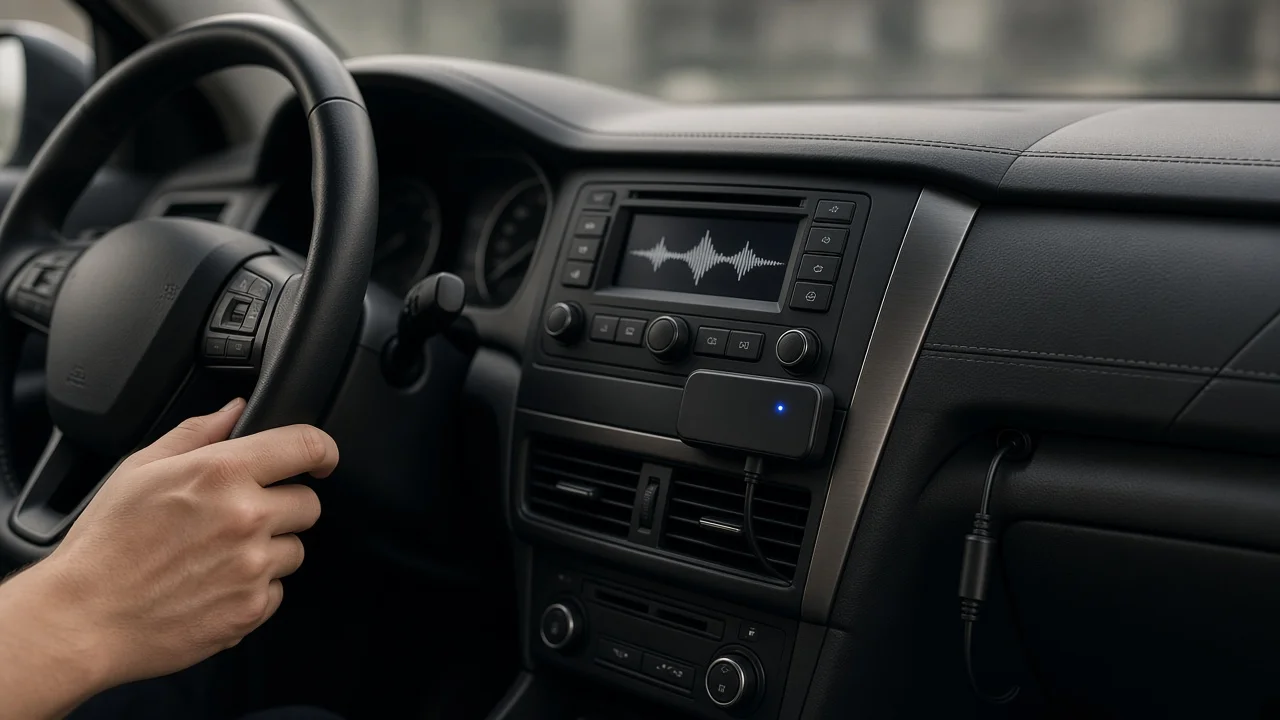
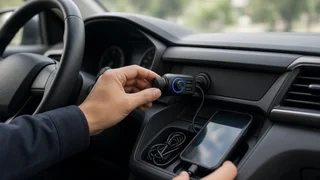
A BlueBus-style Bluetooth adapter is a module that connects to a car's factory audio system and its internal data network. It adds Bluetooth music streaming and hands-free calling while letting the original radio, display and steering-wheel buttons control them. That is different from a basic adapter, which only feeds sound into the stereo. Whether one suits you depends mainly on whether it supports your exact vehicle and factory head unit. If it does not, a simpler aux-input or FM-transmitter adapter may be the realistic option.
What a fully integrated Bluetooth control module means
Many cars use a data bus, a shared wiring network that the radio, instrument cluster, steering-wheel controls and other modules use to exchange messages. A fully integrated control module sends and receives messages on that network. This lets it respond to factory buttons, appear as an audio source the head unit recognizes, and, where supported, show track or caller information on the factory display. A basic Bluetooth adapter does not use the data bus. It only carries audio, so you usually control playback and calls from the phone itself.
The BlueBus name has been used for bus-integrated modules aimed at particular vehicle families. Products with similar names may come from different sellers and target different cars. Check exactly which vehicles and which data system a listing is designed for rather than relying on the name.
What to check before buying
Vehicle fit: make, model, model year, market and trim. Factory audio and wiring can change within a model's production run and between regions, so confirm the seller lists your specific configuration. Factory head unit: radio type and whether the car has a factory display or navigation screen. Integration features often depend on which unit is fitted. Connection method: whether the module plugs into an existing factory connector, such as a CD changer or accessory port, or requires splicing into wiring. Plug-in installation is generally easier to reverse. Features included: music streaming, hands-free calls, steering-wheel control, track and caller display, and whether a microphone is supplied. Bluetooth profiles: HFP (Hands-Free Profile) handles phone calls, A2DP handles stereo music streaming, and AVRCP lets the car send play, pause and skip commands. Confirm the module supports each one you need. Phone compatibility: whether the seller states support for your phone platform and any known limitations. Software updates and support: whether firmware can be updated, and whether installation instructions and troubleshooting help are available. Return policy: important if compatibility with your configuration cannot be confirmed before purchase.
Call audio considerations
For hands-free calls, the other person hears you through the module's microphone, and you hear them through the car's speakers. Microphone placement matters. A mic mounted close to the driver and away from vents and road noise generally picks up speech more clearly than one tucked behind trim. Ask whether the microphone cable is long enough to reach a sensible mounting spot in your car, and whether the module can adjust microphone gain or call volume. Call clarity also depends on the phone, the cellular connection and cabin noise. No measured call-quality results were available for this article.
Integrated module vs. basic Bluetooth adapter
Aspect | Bus-integrated module (BlueBus-style) | Basic aux or FM Bluetooth adapter; Control | Factory buttons and steering-wheel controls, where supported | Mostly from the phone or the adapter itself; Display information | Possible on supported factory displays | Generally none on the factory display; Vehicle compatibility | Specific to supported vehicles and head units | Broad, if the car has an aux input or FM radio; Installation | Behind the dash or at a factory connector | Usually plug-in; Call handling | Integrated with the car audio, with a dedicated microphone | Varies by product
Gaps in the available information
No confirmed specifications, prices, supported-vehicle lists, firmware details or independent test results were available for this article. Treat the seller's compatibility list and documentation as the deciding information. If your exact model year, market and head unit are not listed, ask the seller directly before buying.